Finance · Deals
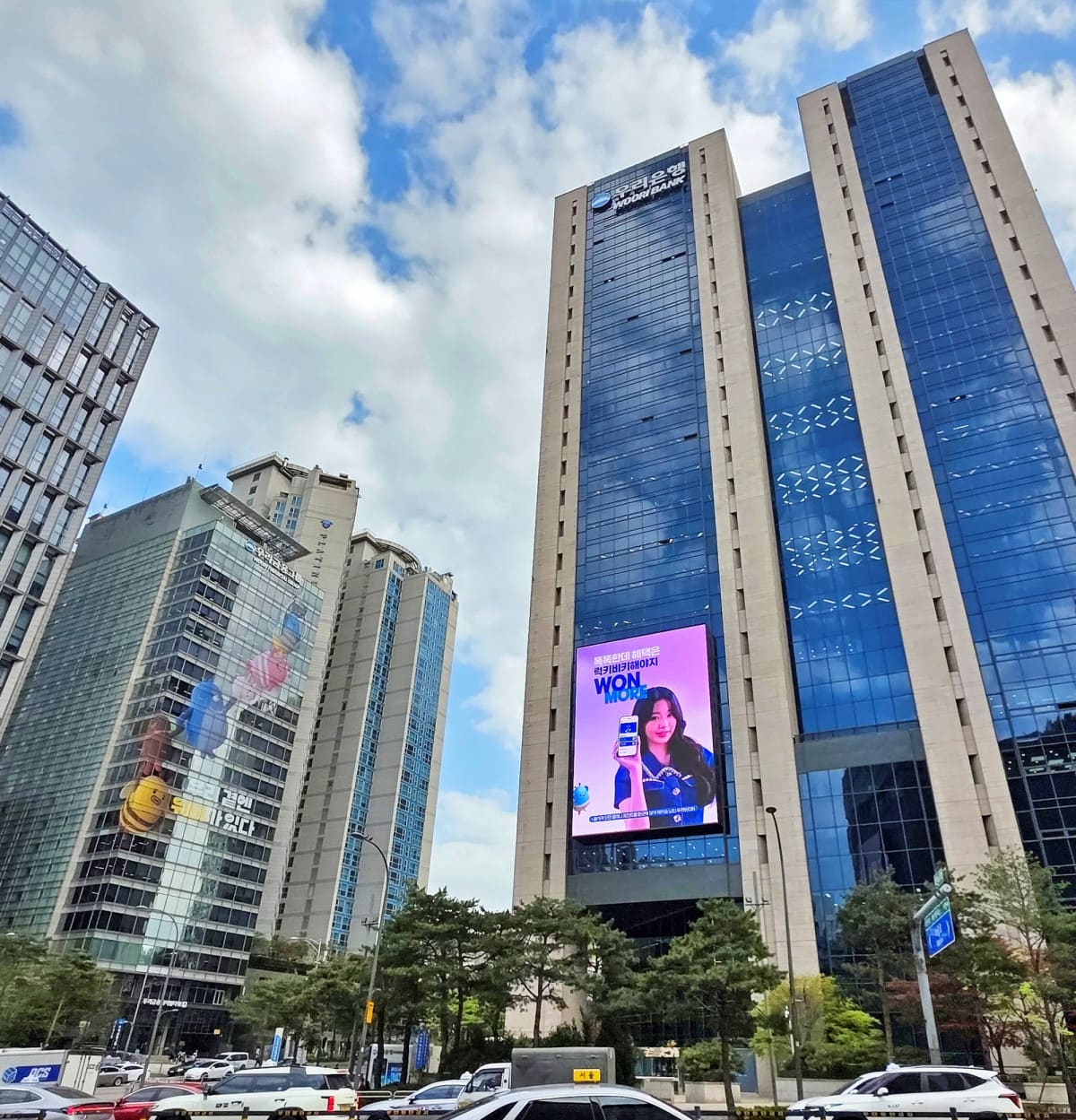
Woori Financial Group Plans $39 Billion Insurance Merger in South Korea
The combination of Tongyang Life and ABL Life marks Seoul's push to diversify beyond traditional banking as regional insurers consolidate
KEY TAKEAWAYS
- ·Woori Financial Group will merge Tongyang Life and ABL Life into a 55 trillion won insurer, targeting completion in the second half of 2027.
- ·The deal reflects pressure on South Korean banks to diversify beyond lending as interest margins compress and regulators push for nonbank revenue.
- ·If approved, the combined entity will rank among South Korea's top five life insurers by assets, serving roughly 4 million policyholders.
Seoul's Banking Giant Turns to Insurance
Woori Financial Group announced plans Tuesday to combine Tongyang Life Insurance and ABL Life Insurance into a single entity with assets worth 55 trillion won ($39 billion), targeting a second-half 2027 launch. The move signals one of the most ambitious insurance consolidations in South Korea's financial sector this decade, driven by a strategic shift away from traditional deposit-and-loan operations.
The merger will position Woori's insurance arm as a cornerstone of the group's revenue base, according to the announcement. Seoul-based Woori has been building out nonbank businesses over the past three years, mirroring a broader regional trend as net interest margins compress and regulators push for diversified income sources.
Consolidation as Strategy
South Korea's life insurance market has seen steady consolidation since 2020, with midsize players seeking scale to compete against dominant incumbents like Samsung Life and Hanwha Life. Tongyang Life and ABL Life both operate in the mid-tier segment, focusing on retirement and savings products popular with the country's aging population.
By merging the two subsidiaries, Woori aims to create operational efficiencies and cross-sell insurance products through its extensive branch network. The combined insurer will inherit roughly 4 million policyholders and a distribution footprint spanning major metropolitan areas and secondary cities.
Financial groups across Asia have pursued similar integrations. Japan's megabanks absorbed or merged insurance units in the 2010s, while Singaporean and Hong Kong institutions have bundled wealth management and life products under single platforms. Woori's timeline suggests regulatory approval and systems integration will take at least 18 months, standard for transactions of this size in South Korea's heavily supervised financial sector.
Pressure on Banking Revenue
Woori's pivot reflects structural headwinds facing Korean banks. Interest rate volatility, rising loan-loss provisions in commercial real estate, and tighter capital requirements have all weighed on profitability. Nonbank revenue, including insurance premiums and asset management fees, now accounts for a growing share of earnings at the country's top financial holding companies.
The life insurance business offers steadier cash flows than lending, particularly in products tied to long-term savings and annuities. South Korea's rapidly aging demographics have fueled demand for retirement income solutions, creating a natural growth channel for insurers with strong agency networks.
Woori has not disclosed the governance structure of the merged entity or whether it will retain both brand names during a transition period. Industry observers expect the group to streamline product lines and potentially reduce overlapping agency channels, a common post-merger step in the sector.
Regional Context
The announcement comes as financial groups across Northeast Asia reassess their business mixes. Chinese insurers have faced regulatory crackdowns on opaque wealth products, prompting a flight to simpler term and whole-life policies. Japanese life insurers are expanding into Southeast Asia to offset demographic decline at home. South Korean players, meanwhile, are betting on domestic market depth and cross-border partnerships with asset managers.
Woori's 2027 target gives the group time to navigate regulatory reviews by the Financial Services Commission and the Financial Supervisory Service, both of which scrutinize capital adequacy and consumer protection in insurance mergers. The timeline also allows for technology integration, a critical factor given the two insurers' legacy IT systems.
If completed as planned, the combined insurer will rank among the top five life companies in South Korea by assets, though still trailing the market leaders. The real test will be whether Woori can translate scale into profitability gains and whether the insurance business can indeed reduce the group's reliance on net interest income in a volatile rate environment.
RELATED STORIES
South Korea's Brokerages Face New Civil Liability Risk After Samsung Securities Ruling
Cheng Wei-Lun · 3 min

Korea Zinc Profit Surges 127% as Rival Young Poong Falters in Control Battle
Cheng Wei-Lun · 3 min
Korean Won Touches 1,300 per Dollar for First Time in Ten Months
Cheng Wei-Lun · 2 min
KB Kookmin Bank Clears Jakarta's New Holding Company Threshold
Cheng Wei-Lun · 2 min
Spot something wrong? Email editor@briefasia.com. We log every correction publicly.