Finance · Banking
KB Kookmin Bank Clears Jakarta's New Holding Company Threshold
South Korean lender secures Indonesian regulatory approval as conglomerate oversight tightens across Southeast Asia's largest economy

KEY TAKEAWAYS
- ·KB Kookmin Bank received Indonesian regulatory approval to reorganize its local subsidiaries under a holding company structure as Jakarta enforces stricter oversight of multi-sector financial groups.
- ·The restructuring is a compliance measure with minimal operational impact, though it adds consolidated capital ratio requirements and quarterly group-wide risk reporting obligations.
- ·Other Korean lenders with Indonesian operations are expected to complete similar transitions by the end of 2026 under phased implementation timelines set by the Financial Services Authority.
Korean Lenders Adapt to Jakarta's Tighter Grip
KB Kookmin Bank has received regulatory clearance to reorganize its Indonesian subsidiaries under a holding company structure, according to industry officials familiar with the matter. The move aligns the South Korean lender with Indonesia's evolving framework for financial conglomerates, which now demands more centralized oversight and stricter capital adequacy standards for groups with operations spanning banking, insurance, and securities.
Jakarta's Financial Services Authority has been tightening its supervision of multi-sector financial groups since 2024, requiring entities that control firms in two or more financial sub-sectors to establish a dedicated holding vehicle. The policy aims to improve transparency, reduce systemic risk, and ensure that parent companies maintain adequate buffers against cross-sector contagion.
KB Kookmin Bank's approval marks the latest instance of a major Korean financial institution adjusting its regional footprint to meet Southeast Asian regulatory shifts. The bank operates a commercial banking subsidiary in Indonesia, along with interests in non-bank financial services that fall under the new holding company mandate.
Limited Operational Impact Expected
Officials close to the transition say the restructuring is unlikely to alter KB's day-to-day business in Indonesia. Customer-facing services, credit portfolios, and branch networks will remain unchanged. The holding company format primarily affects internal governance, capital allocation, and reporting lines to Indonesian regulators.
The transition does, however, impose additional compliance obligations. Holding companies must meet consolidated capital ratios set by the Financial Services Authority, submit group-wide risk assessments on a quarterly basis, and appoint independent directors to oversight boards. These requirements are designed to give regulators a clearer view of financial health across affiliated entities and to prevent regulatory arbitrage between sectors.
Regional Trend Toward Consolidated Supervision
Indonesia's move mirrors broader efforts across Asia to strengthen oversight of financial conglomerates. Singapore, Thailand, and the Philippines have all introduced or expanded consolidated supervision frameworks in recent years, reflecting lessons learned from past crises in which risks migrated between loosely regulated affiliates.
For Korean financial groups with extensive Southeast Asian networks, the shift represents a fresh layer of regulatory complexity. Several institutions are now evaluating whether to consolidate regional subsidiaries under single holding entities or to maintain separate structures in each jurisdiction, depending on local rules and business scale.
KB Kookmin Bank's parent, KB Financial Group, already operates as a holding company in South Korea and has experience navigating consolidated supervision at home. That institutional knowledge is likely to ease the Indonesian transition, industry observers note.
What Comes Next
Other South Korean lenders with multi-sector Indonesian operations are expected to follow KB's path in the coming quarters. The Financial Services Authority has set a phased implementation timeline, with larger conglomerates required to complete their transitions by the end of 2026 and mid-sized groups given until mid-2027.
The holding company requirement is part of a broader regulatory agenda in Indonesia that includes stricter foreign ownership caps in certain financial sub-sectors, enhanced anti-money-laundering protocols, and new capital buffers for systemically important institutions. As Southeast Asia's largest economy continues to deepen its financial markets, foreign players are adjusting not only to growth opportunities but also to a more demanding supervisory environment.
RELATED STORIES
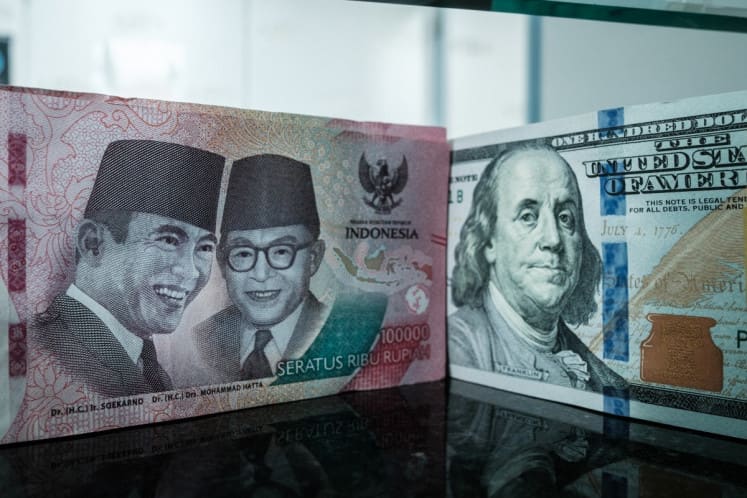
Indonesia's External Debt Reaches $444 Billion as Government Borrowing Accelerates
Siti Nuraini · 3 min

WeRide Eyes Regional Push Across Australia and Asia-Pacific Markets
Cheng Wei-Lun · 2 min

Indonesia Opens Credit Payment Option on QRIS Network
Siti Nuraini · 2 min
GoTo Loses MSCI Index Status as Indonesia Tech Giant Trades at Floor Price
Priyanka V. Rao · 3 min
Spot something wrong? Email editor@briefasia.com. We log every correction publicly.