Technology · Startups
WeRide Eyes Regional Push Across Australia and Asia-Pacific Markets
The Chinese autonomous driving firm is exploring entry into four key markets as it accelerates international expansion beyond its domestic base.
KEY TAKEAWAYS
- ·WeRide is evaluating entry into Australia, South Korea, Japan, and Southeast Asia as it expands beyond China's crowded autonomous vehicle market.
- ·The move would intensify competition among Chinese AV firms pursuing international markets and seeking partnerships with local operators to navigate regulatory requirements.
- ·Southeast Asia's ride-hailing market exceeds USD 20 billion in annual bookings, offering growth potential amid saturation and margin pressure in China's domestic AV sector.
Regional Expansion on the Table
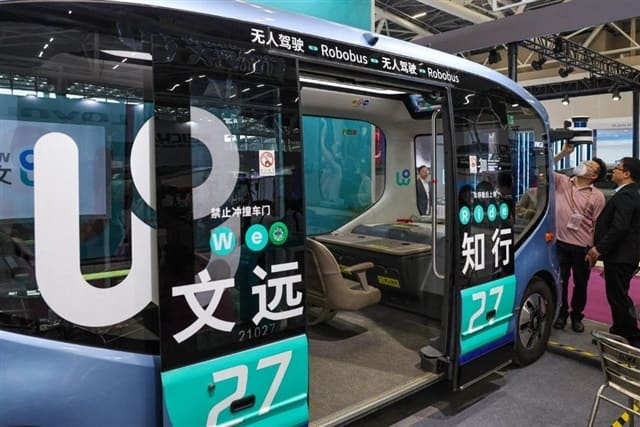
WeRide, the Guangzhou-based autonomous vehicle developer, is weighing market entry across Australia, South Korea, Japan, and Southeast Asia, according to the company. The evaluation marks a significant step in the firm's international push as Chinese AV developers increasingly look beyond their home market for growth.
The company has not disclosed a timeline for potential launches or specified which cities within these regions it is targeting. WeRide currently operates robotaxi services in several Chinese cities and has tested vehicles in the United States and United Arab Emirates.
Competitive Landscape Tightens
The potential expansion comes as multiple Chinese autonomous driving firms pursue overseas markets. Pony.ai, AutoX, and Baidu's Apollo have all announced or initiated operations outside China in recent years, targeting regions with favorable regulatory environments or strong demand for autonomous mobility.
Southeast Asia presents a particularly complex market for AV deployment. Dense urban centers like Singapore have advanced infrastructure and supportive regulatory frameworks, while other cities face challenges including inconsistent road conditions, mixed traffic patterns, and varied levels of digital connectivity. WeRide's consideration of the region suggests confidence in navigating these disparities.
Regulatory and Infrastructure Variables
Australia and the three Northeast Asian markets each present distinct regulatory environments. South Korea has actively courted autonomous vehicle testing through designated zones and streamlined approval processes. Japan has piloted self-driving services in rural areas facing driver shortages, while Australia's federal and state governments have taken a more fragmented approach to AV regulation.
For Chinese firms, market entry often requires partnerships with local operators or technology providers to address data localization requirements and build trust with regulators. WeRide has previously partnered with Yango, the ride-hailing arm of Russia's Yandex, for operations in the UAE, a model it may replicate in new markets.
Market Sizing and Strategic Rationale
The Asia-Pacific region accounts for a substantial share of global ride-hailing and urban mobility demand. Southeast Asia's ride-hailing market alone generated over USD 20 billion in gross bookings in recent years, with continued growth projected as urbanization accelerates. Australia, while smaller in population, offers higher per-capita spending on transport services and a mature regulatory environment for technology pilots.
WeRide's international ambitions also reflect pressures at home. China's autonomous driving sector is crowded, with more than a dozen companies competing for permits, pilot zones, and commercial deployment rights. Margins remain thin as firms subsidize rides to build user bases, prompting a search for less saturated markets abroad.
What Comes Next
WeRide has not announced firm commitments or investment figures for any of the four regions under consideration. Industry observers expect the company to prioritize markets with existing regulatory pathways for AV testing, established local partners, or government incentives for autonomous mobility projects.
The firm's next moves will be closely watched by competitors and policymakers alike. If WeRide secures footholds in multiple Asia-Pacific markets, it could accelerate the regionalization of autonomous driving technology and shift the competitive balance beyond the US and China duopoly that has dominated the sector's narrative to date.
RELATED STORIES
China's Electric Truck Exports Surge as Fuel Costs Rise Across Asia
Cheng Wei-Lun · 3 min
Samsung's China Revenue Surpasses US Market as Memory Demand Climbs
Cheng Wei-Lun · 3 min

Wingtech Swings to Loss After Nexperia Control Fractures
Cheng Wei-Lun · 4 min

Microsoft Scales Back China Operations as AI Strategy Reshapes Regional Presence
Cheng Wei-Lun · 3 min
Spot something wrong? Email editor@briefasia.com. We log every correction publicly.