Finance · Markets
Korean Won Touches 1,300 per Dollar for First Time in Ten Months
Currency strengthens as weak US economic data weighs on dollar while Korean exporters increase foreign exchange sales
KEY TAKEAWAYS
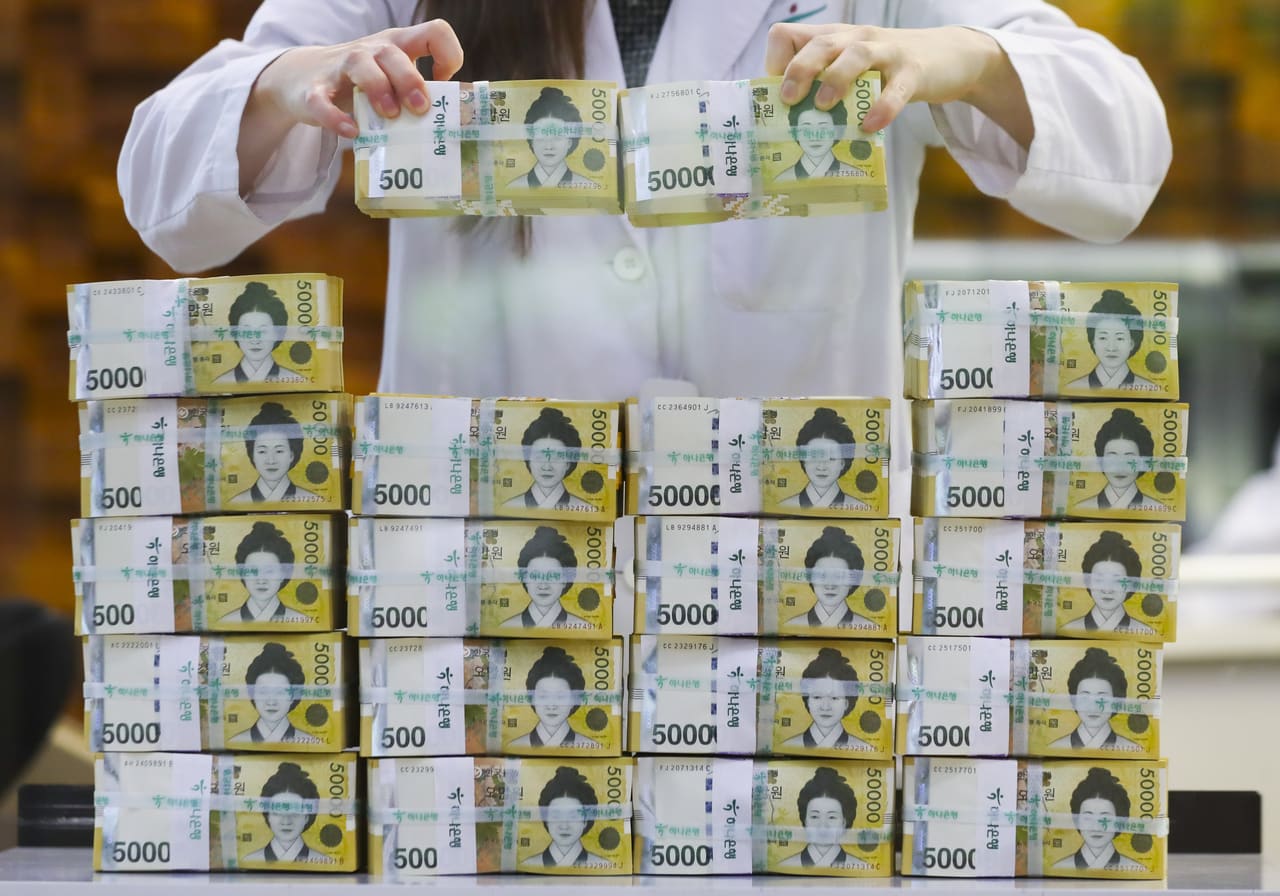
- ·The Korean won broke through 1,400 per dollar on Wednesday, reaching its strongest level since October 2, marking a ten-month high for the currency.
- ·Weak US economic data pressured the dollar while Korean exporters increased dollar sales, creating dual forces that drove the won's appreciation despite equity market weakness.
- ·The stronger won reduces import costs and inflation but threatens export competitiveness for South Korea's manufacturing sectors including semiconductors and automobiles.
Currency Rally Defies Equity Weakness
The Korean won pushed through the 1,400 won per dollar threshold on Wednesday morning, reaching levels not seen since early October 2025. The move came despite sharp losses in Seoul's equity market, with the currency benefiting from a weakening dollar and heightened foreign exchange activity among Korean exporters.
Trading opened at 1,413.3 won per dollar in Seoul's onshore market. The currency gained strength steadily through the morning before breaking below the 1,400 mark shortly before midday. The last time the won traded at this level was October 2, more than ten months ago.
US Data Pressures Dollar
The won's appreciation reflects broader dollar weakness following disappointing US economic data. Softer-than-expected figures from the world's largest economy have reduced expectations for aggressive Federal Reserve policy tightening, diminishing the dollar's appeal against Asian currencies.
Korean exporters have taken advantage of favorable exchange rate conditions to convert their dollar earnings into won. This selling pressure has accelerated the currency's gains, creating a feedback loop that pushed the won past key technical levels.
Divergence from Equity Markets
The currency's strength stands in contrast to the performance of Korean equities. The Kospi experienced significant selling pressure on the same day, highlighting a divergence between asset classes that often move in tandem during periods of investor sentiment shifts.
This disconnect suggests that foreign exchange markets are responding more to macroeconomic fundamentals and interest rate differentials than to risk appetite indicators reflected in stock prices. The won's resilience despite equity weakness points to structural support from export-related dollar flows rather than speculative positioning.
Implications for Trade and Inflation
A stronger won has mixed implications for Asia's fourth-largest economy. While it reduces import costs and helps contain inflationary pressures, it also erodes the price competitiveness of Korean exports in global markets. Companies in manufacturing sectors, particularly semiconductors, automobiles, and electronics, face margin pressure when the won appreciates rapidly.
South Korea's central bank has historically been sensitive to currency volatility, particularly when moves threaten export competitiveness. However, policymakers have also welcomed won strength as a tool to manage imported inflation, especially for energy and raw materials.
Regional Currency Dynamics
The won's performance fits into a broader pattern of Asian currency strength against the dollar in recent sessions. Regional central banks have been balancing domestic growth concerns against the need to prevent excessive currency weakness that fuels inflation through import channels.
Seoul's foreign exchange market has seen increased volatility in recent months as traders navigate shifting expectations around US monetary policy, regional trade flows, and geopolitical tensions. The won's move through the 1,400 level represents a significant psychological threshold that could influence positioning in coming sessions.
Market participants will watch whether the currency can sustain these levels or if profit-taking and intervention concerns trigger a reversal. The Bank of Korea's comfort zone for the exchange rate remains a subject of speculation, with officials rarely providing explicit guidance on preferred levels.
RELATED STORIES
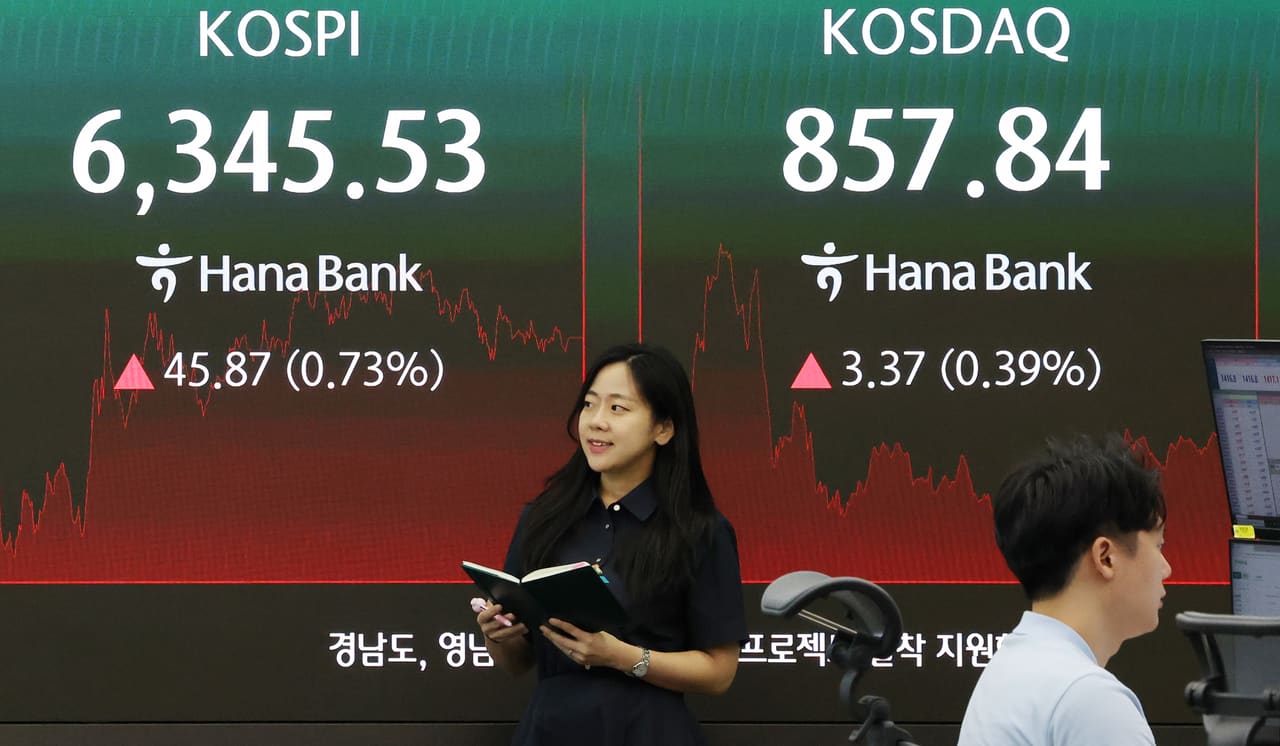
Seoul Stocks Climb on Semiconductor Rally Amid Bargain Buying
Cheng Wei-Lun · 3 min
Woori Financial Group Plans $39 Billion Insurance Merger in South Korea
Cheng Wei-Lun · 3 min

Korea Zinc Profit Surges 127% as Rival Young Poong Falters in Control Battle
Cheng Wei-Lun · 3 min
South Korea's Brokerages Face New Civil Liability Risk After Samsung Securities Ruling
Cheng Wei-Lun · 3 min
Spot something wrong? Email editor@briefasia.com. We log every correction publicly.