Finance · Deals
Korea Zinc Profit Surges 127% as Rival Young Poong Falters in Control Battle
Second-quarter earnings reveal a widening performance gap between the two companies competing for influence in Korea's metals industry
KEY TAKEAWAYS
- ·Korea Zinc posted record second-quarter operating profit of 587 billion won, up 126.8 percent year-on-year, while revenue reached 6.37 trillion won.
- ·Young Poong's operating profit nearly disappeared in the same period, creating a stark financial performance gap between the two rivals.
- ·The earnings divergence strengthens Korea Zinc's position ahead of expected shareholder votes in the ongoing control dispute between the companies.
Earnings Divergence Deepens
The financial performance gap between Korea Zinc and Young Poong expanded sharply in the second quarter, adding a new dimension to the ongoing control struggle between the two metals companies. Korea Zinc reported consolidated revenue of 6.37 trillion won ($4.56 billion) for the April-June period, representing a 66.6 percent increase from 3.82 trillion won in the same quarter last year, according to regulatory filings.
Operating profit climbed 126.8 percent year-on-year to 587 billion won, marking a record high for the company. The surge reflects stronger demand for refined metals and improved operational efficiency across Korea Zinc's smelting and processing facilities.
Young Poong's Earnings Collapse
In contrast, Young Poong experienced a dramatic deterioration in profitability during the same period. The company's operating profit nearly vanished compared to the previous quarter, though specific figures were not disclosed in the regulatory submissions. The sharp decline underscores operational challenges and potentially weaker pricing power in Young Poong's core business segments.
The diverging financial trajectories arrive at a critical juncture in the power struggle between the two companies. Both firms have historical ties through cross-shareholdings and overlapping ownership structures common in South Korean industrial groups, but tensions have escalated over strategic direction and governance.
Control Fight Context
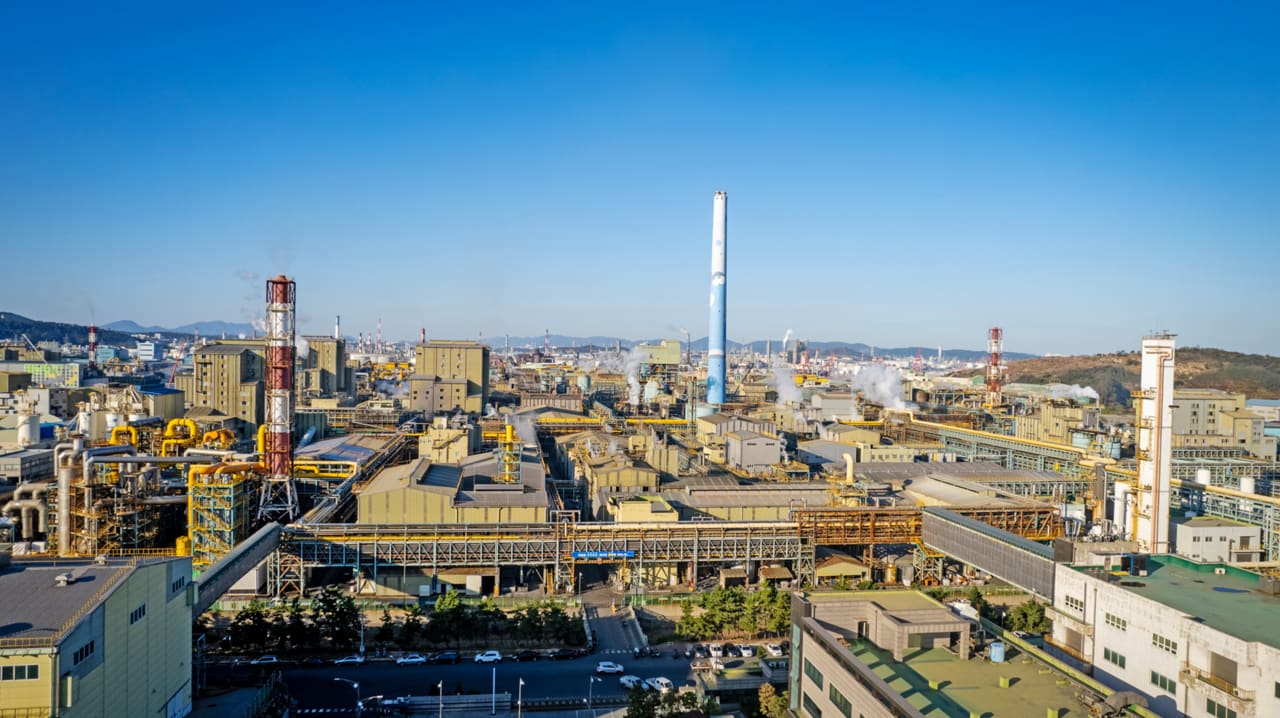
Korea Zinc operates one of the world's largest zinc smelting complexes and has expanded into renewable energy materials, including battery metals and solar panel components. The company's diversification strategy has positioned it to benefit from the clean energy transition, contributing to the recent profit surge.
Young Poong, historically focused on traditional metals refining, has faced pressure to adapt its business model. The company's weakening financial position may limit its ability to challenge Korea Zinc's strategic initiatives or mount a credible alternative vision for the combined entity's future.
Market Implications
The earnings gap carries implications beyond the immediate control contest. Investors and creditors typically view sustained profitability as a signal of management competence and strategic viability. Korea Zinc's record performance strengthens the case for its current leadership, while Young Poong's struggles raise questions about its operational effectiveness.
Analysts note that the metals sector has experienced volatile pricing conditions over the past year, with zinc and lead prices fluctuating based on global manufacturing demand and supply disruptions. Korea Zinc's ability to deliver strong results despite market turbulence suggests superior hedging strategies or more favorable contract terms with customers.
The control battle has drawn attention from minority shareholders, who hold significant stakes in both companies. Their voting decisions in any proxy contest or extraordinary general meeting could prove decisive, and financial performance often influences shareholder sentiment more than strategic arguments.
Regulatory Scrutiny
South Korean regulators have monitored the dispute closely, particularly given the strategic importance of both companies to the country's manufacturing supply chains. The metals they produce serve as critical inputs for electronics, automotive, and construction industries that form the backbone of Korea's export economy.
The Financial Supervisory Service has required both companies to maintain transparent disclosure practices during the control dispute, ensuring that investors receive timely and accurate information about financial performance and governance developments.
Korea Zinc's second-quarter results were released ahead of an anticipated shareholder meeting where control issues may be formally addressed. The timing gives the company's management a powerful data point to present to investors weighing competing visions for the company's future. Young Poong has not yet announced plans to contest the results or present alternative performance metrics.
RELATED STORIES
Woori Financial Group Plans $39 Billion Insurance Merger in South Korea
Cheng Wei-Lun · 3 min
South Korea's Brokerages Face New Civil Liability Risk After Samsung Securities Ruling
Cheng Wei-Lun · 3 min
Korean Won Touches 1,300 per Dollar for First Time in Ten Months
Cheng Wei-Lun · 2 min
KB Kookmin Bank Clears Jakarta's New Holding Company Threshold
Cheng Wei-Lun · 2 min
Spot something wrong? Email editor@briefasia.com. We log every correction publicly.