Finance · Banking
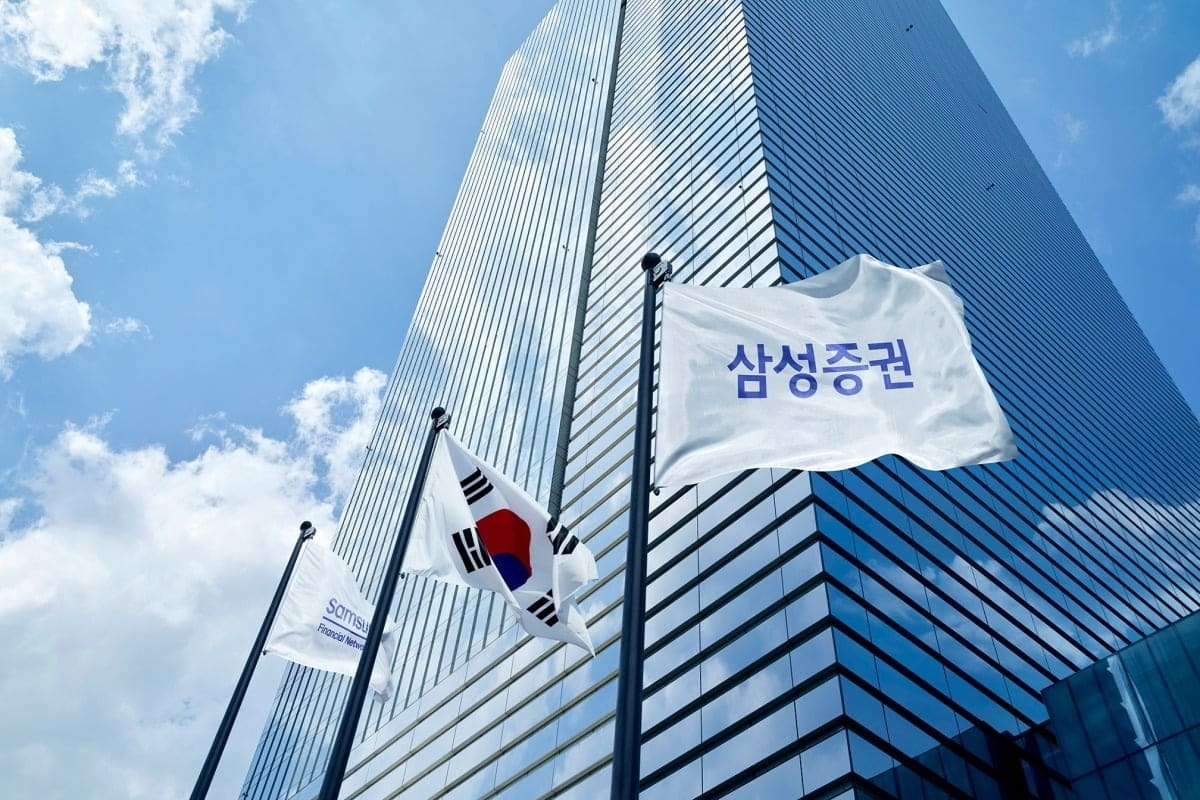
South Korea's Brokerages Face New Civil Liability Risk After Samsung Securities Ruling
Supreme Court decision in 2018 ghost shares case establishes precedent that internal control failures can expose financial firms to investor damages beyond regulatory fines
KEY TAKEAWAYS
- ·South Korea's Supreme Court ordered Samsung Securities to pay 1.86 billion won to the National Pension Service over the 2018 ghost shares incident, establishing civil liability for control failures.
- ·The ruling creates a dual accountability framework where Korean brokerages face both regulatory fines and potential civil damages from investors harmed by operational errors.
- ·Compliance costs are expected to rise across Korean securities firms as institutions invest in automated controls and insurance to protect against civil liability claims.
Court Upholds Damages Award
South Korea's Supreme Court has affirmed that Samsung Securities must pay approximately 1.86 billion won ($1.31 million) in damages to the National Pension Service, marking a significant shift in how brokerage control failures are treated under Korean law. The Wednesday ruling upheld a lower court's compensation decision related to the 2018 ghost shares incident that rocked the country's financial sector.
The decision establishes a precedent that internal control breakdowns at securities firms can trigger civil liability to institutional investors, extending consequences beyond the regulatory penalties and trading losses that typically follow such failures. The National Pension Service had originally sought 29.9 billion won in compensation.
The 2018 Ghost Shares Incident
The case stems from a 2018 operational error at Samsung Securities in which the firm mistakenly issued phantom shares to employees participating in a compensation plan. The incident exposed serious gaps in the brokerage's internal risk management systems and sparked widespread concern about operational controls at Korean financial institutions.
The error resulted in immediate market disruption and triggered investigations by financial regulators. Samsung Securities faced substantial trading losses as it worked to correct the mistake, and the firm's reputation suffered damage that extended well beyond the immediate financial impact.
Implications for Korean Brokerages
The Supreme Court's decision signals that Korean financial institutions can no longer view control failures solely as regulatory compliance issues. Institutional investors now have a clear legal pathway to seek compensation when brokerage errors result in measurable losses, raising the stakes for firms that fail to maintain robust internal systems.
For Korea's asset management industry, the ruling provides ammunition for recovering losses that stem from counterparty operational failures. The National Pension Service, one of the world's largest institutional investors with more than $800 billion in assets under management, had argued that Samsung Securities' control breakdown directly caused investment losses that warranted compensation.
The decision arrives as Korean regulators push brokerages to upgrade technology infrastructure and strengthen risk controls amid growing trading volumes and market complexity. Financial institutions in Seoul, Hong Kong, and Singapore have faced mounting pressure to invest in compliance systems as cross-border capital flows increase and operational risks multiply.
Asia's Evolving Liability Landscape
The Samsung Securities case reflects a broader trend across Asian financial centers toward holding institutions accountable for operational failures through civil damages rather than relying exclusively on administrative penalties. Similar liability frameworks have emerged in Japan and Singapore, where courts have shown willingness to award damages to investors harmed by brokerage errors.
Korean brokerages now face a dual accountability structure: regulatory fines from the Financial Services Commission and potential civil damages from affected investors. This combination raises the effective cost of control failures and creates stronger incentives for firms to invest in compliance infrastructure and staff training.
The ruling also highlights the growing sophistication of institutional investors in Asia, who increasingly pursue legal remedies when counterparty failures result in losses. The National Pension Service's willingness to litigate signals that large asset owners will hold financial intermediaries to higher operational standards.
Industry Response
Compliance costs at Korean securities firms are expected to rise as institutions reassess their exposure to civil liability from operational errors. Brokerages will likely increase investment in automated controls, staff training programs, and insurance coverage to protect against potential damages claims from institutional clients.
The case serves as a reminder that operational risk extends beyond immediate trading losses and regulatory penalties. For financial institutions operating across Asian markets, the Samsung Securities ruling underscores the importance of maintaining rigorous internal controls as the legal landscape evolves to favor investor protection.
RELATED STORIES

TPG Acquires Majority Stake in Lotte Rental
Jun-ho Seo · 3 min
South Korea Targets 36 Firms Under Stricter Delisting Standards
Cheng Wei-Lun · 3 min
Korea Eximbank Commits $1 Billion to Glencore for Copper Supply Security
Cheng Wei-Lun · 3 min

Bangladesh Cuts Interest Rates After Two-Year Inflation Fight
Priyanka V. Rao · 3 min
Spot something wrong? Email editor@briefasia.com. We log every correction publicly.