Finance · Markets
Bangladesh Cuts Interest Rates After Two-Year Inflation Fight
Central bank reduces benchmark rate 50 basis points from decade-high 10%, signaling pivot from inflation control to growth support
KEY TAKEAWAYS
- ·Bangladesh's central bank cut its benchmark interest rate by 50 basis points in early August, ending a two-year hold at 10% as inflation moderated to the mid-6% range.
- ·The easing comes as GDP growth slowed to 6.1% in fiscal 2024 and garment exports, which generate 80% of foreign exchange, grew just 3.2% year-on-year.
- ·Further rate cuts are possible if inflation continues falling toward the 5.5% target, though currency stability and foreign reserves remain considerations for policymakers.
Policy Pivot in Dhaka
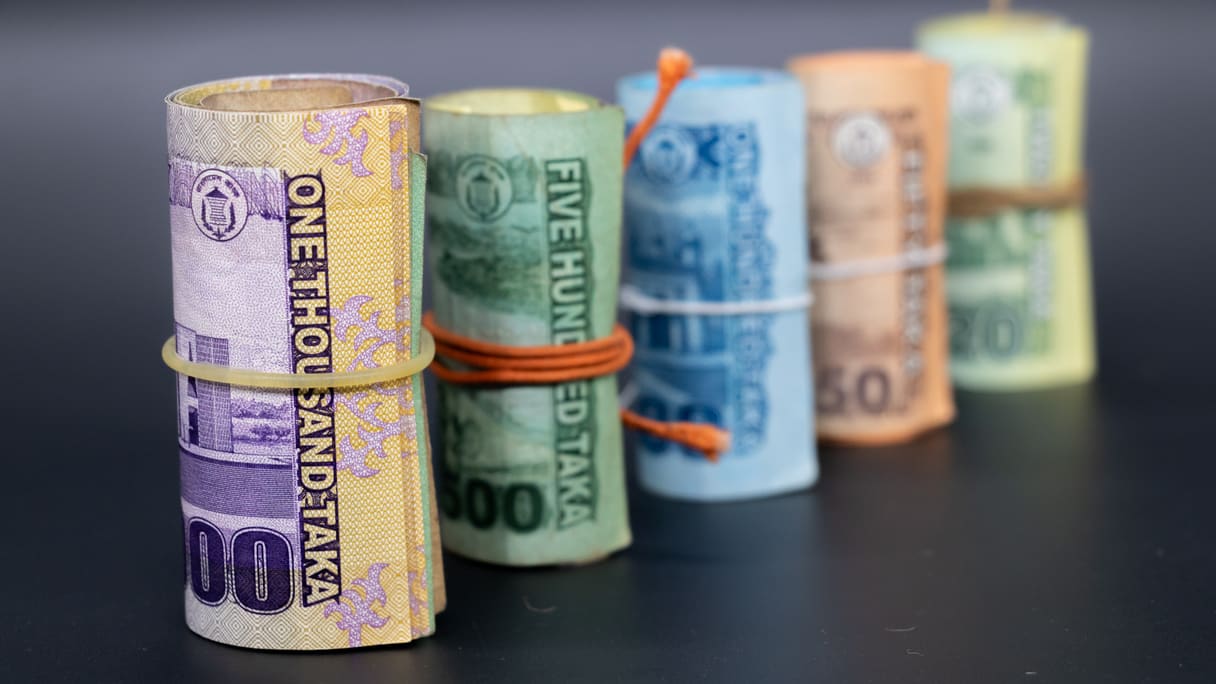
Bangladesh's central bank reduced its benchmark interest rate by 50 basis points in early August, bringing the rate down from 10% where it had remained unchanged for two years. The move marks the first easing cycle since the bank embarked on aggressive tightening to combat inflation that had climbed sharply across South Asia.
The decision, according to Bangladesh Bank, reflects growing confidence that price pressures have moderated sufficiently to allow policymakers to shift focus toward supporting economic activity. The 10% rate had been the highest in over a decade for Bangladesh, part of a regional pattern of aggressive monetary tightening that began in 2022 as food and energy prices surged following global supply disruptions.
Bangladesh's inflation rate peaked above 9% in mid-2023, driven largely by food costs that account for nearly half of the consumer basket in the country of 170 million. The central bank's prolonged pause at 10% helped bring inflation down to the mid-6% range by mid-2024, still above the 5.5% target but within a tolerance band that officials deemed acceptable for a developing economy.
Growth Concerns Mount
The rate cut arrives as Bangladesh faces headwinds in its key export sectors. Garment exports, which generate roughly 80% of the country's foreign exchange earnings, grew just 3.2% year-on-year in the first half of 2024, down from double-digit growth rates in previous years. Major buyers in Europe and North America have scaled back orders amid their own economic slowdowns, pressuring factories in Dhaka and Chittagong.
GDP growth for fiscal 2024, which ended in June, is estimated at 6.1%, according to provisional government data. While still robust by global standards, the figure represents the slowest expansion since 2020 and falls short of the 7.5% target set in the national budget. Manufacturing activity has decelerated, and private sector credit growth slowed to single digits for the first time in five years.
The central bank's statement noted that real interest rates, adjusted for inflation, had become restrictive enough to warrant easing. With inflation now running at approximately 6.3%, the previous 10% nominal rate implied a real rate above 3.5%, higher than the historical average for Bangladesh and comparable emerging markets in the region.
Regional Context
Bangladesh's move follows a broader pattern across South and Southeast Asia, where central banks are navigating the transition from inflation-fighting mode to supporting growth. India's Reserve Bank has held rates steady for six consecutive meetings but signaled openness to cuts if inflation remains anchored. Indonesia reduced rates by 25 basis points in June, and Thailand has maintained an accommodative stance despite political uncertainty.
The 50-basis-point cut is larger than some market participants expected. Local bond yields fell sharply following the announcement, with the 10-year government bond yield dropping 18 basis points in the days after the decision. Equity markets in Dhaka responded positively, with the benchmark index rising 2.7% in the week following the rate cut.
What Comes Next
Economists expect Bangladesh Bank to proceed cautiously with further easing. The next monetary policy review is scheduled for October, and officials have indicated they will assess inflation trends, export performance, and remittance flows before deciding on additional moves. Remittances, the country's second-largest source of foreign exchange, have remained resilient, growing 8.4% in the first seven months of 2024 compared to the same period last year.
Currency stability remains a consideration. The taka has depreciated roughly 12% against the dollar over the past two years, and further rate cuts could put additional pressure on the exchange rate if capital outflows accelerate. Bangladesh's foreign reserves stand at approximately $24 billion, equivalent to about four months of import cover, down from a peak of $48 billion in 2021 but stabilizing in recent quarters.
The central bank has room to ease further if inflation continues its downward trajectory. Most forecasts place inflation in the 5.5% to 6% range by year-end, which would bring it closer to the official target and open the door for additional rate reductions in the first half of 2025. For now, the 50-basis-point cut signals that Dhaka is shifting its priority from price stability to reviving momentum in an economy that has long been one of Asia's fastest-growing but now faces a more challenging external environment.
RELATED STORIES

Ralph Lauren Surpasses Revenue Expectations on Asian and North American Demand
Priyanka V. Rao · 2 min
Dhaka's Informal Workers Face Health and Income Losses as Urban Heat Intensifies
Priyanka V. Rao · 4 min
TPG Acquires Majority Stake in Lotte Rental
Jun-ho Seo · 3 min
South Korea Targets 36 Firms Under Stricter Delisting Standards
Cheng Wei-Lun · 3 min
Spot something wrong? Email editor@briefasia.com. We log every correction publicly.