Lifestyle · Luxury
Ralph Lauren Surpasses Revenue Expectations on Asian and North American Demand
Younger, affluent consumers drive first-quarter growth despite cautious full-year outlook from the heritage brand
KEY TAKEAWAYS
- ·Ralph Lauren reported first-quarter revenue of $1.96 billion, beating Wall Street's $1.87 billion estimate, with adjusted earnings per share of $4.59 versus the $4.32 forecast.
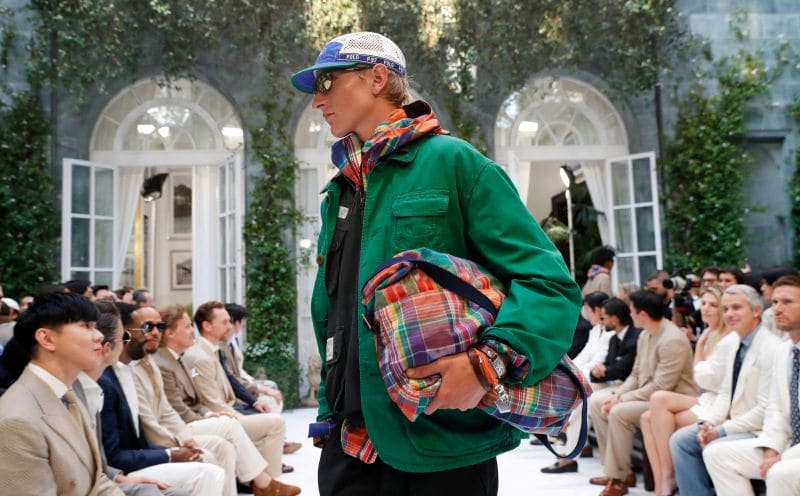
- ·Younger and affluent consumers in Asia and North America drove demand for high-end collections including linen shorts and lightweight outerwear, defying a broader luxury sector slowdown.
- ·The company raised its full-year revenue growth forecast to five to six per cent, though the midpoint trails analyst expectations of 6.20 per cent.
Strong Quarter Amid Luxury Slowdown
Ralph Lauren posted first-quarter revenue of $1.96 billion, surpassing Wall Street's $1.87 billion consensus and defying broader headwinds across the global luxury sector. The New York-based apparel house reported adjusted earnings per share of $4.59, beating analyst expectations of $4.32.
The company announced Thursday it now expects full-year revenue growth of five to six per cent, up from prior guidance. However, the midpoint of that range falls short of the 6.20 per cent rise analysts had projected, a disconnect that sent shares slightly lower in premarket trading.
Asia and North America Lead Growth
The quarterly beat was fueled by robust demand from younger, affluent consumers across Asia and North America, two regions where Ralph Lauren has concentrated its expansion efforts. Sales of high-end collections performed particularly well, with linen shorts, lightweight outerwear, and updated fleece items resonating with shoppers seeking both heritage appeal and contemporary styling.
Ralph Lauren has bucked the trend among luxury peers, many of which have reported softening demand in key markets. The brand's performance in North America stands out especially, as the region has proven challenging for European luxury houses facing currency headwinds and shifting consumer sentiment.
A Decade-Long Transformation
The company's current momentum is the fruit of a strategic overhaul launched roughly a decade ago. In a notable departure from its founder-led tradition, Ralph Lauren brought in its first external chief executive in the mid-2010s, a move that catalyzed a shift toward premium positioning and tighter product focus.
That turnaround strategy centered on pruning lower-margin distribution channels, elevating brand perception, and concentrating design and marketing firepower on higher-priced items. The result has been steadier sales growth and improved profitability, even as the broader apparel sector grappled with fast-fashion disruption and e-commerce upheaval.
Refreshed Product Mix Targets Younger Buyers
Ralph Lauren has invested heavily in modernizing its assortment to appeal to millennials and Gen Z consumers without alienating its core clientele. Recent seasons have seen the introduction of reimagined classics, including updated sweatshirts, hoodies, and athleisure-inflected pieces that retain the brand's preppy DNA while aligning with casualization trends.
This product refresh has been complemented by targeted marketing campaigns and collaborations designed to build relevance among younger demographics, particularly in Asia where brand heritage and craftsmanship command premium pricing power.
Outlook and Regional Dynamics
While the raised guidance signals confidence, the company's cautious tone reflects uncertainty in the broader luxury landscape. Chinese consumer spending remains uneven, and North American department-store traffic continues to face structural pressure. Yet Ralph Lauren's relatively diversified regional footprint and its positioning at the accessible-luxury price tier appear to be insulating it from the sharper corrections hitting ultra-luxury labels.
The brand's ability to maintain momentum in Asia will be closely watched. The region has been a growth engine for premium Western labels, but recent volatility in consumer confidence and shifting spending patterns have forced many to recalibrate expansion plans.
Ralph Lauren's first-quarter performance suggests its decade-long repositioning has built resilience, but sustaining that trajectory will require navigating a luxury sector marked by diverging fortunes and rapidly evolving consumer expectations across its key markets.
RELATED STORIES

Franklin Templeton Restructures Leadership With Two Senior Appointments
Priyanka V. Rao · 4 min
Southeast Asian Workers Embrace AI Tools Faster Than Global Peers
Priyanka V. Rao · 3 min
Vietnam Airlines Slash Fares to Singapore and Bangkok as Capacity Surges
Priyanka V. Rao · 2 min
A Singapore Watch Dealer Built a $2.5 Million Inventory on 60-Cent Coffee Lessons
Lim Hui Ying · 3 min
Spot something wrong? Email editor@briefasia.com. We log every correction publicly.