Technology · AI
Southeast Asian Workers Embrace AI Tools Faster Than Global Peers
Regional professionals report producing work impossible a year ago, with frontier AI users nearly double the global rate
KEY TAKEAWAYS
- ·73 per cent of AI users in Southeast Asia can produce work impossible a year ago, 15 points above the global average of 58 per cent.
- ·28 per cent of regional workers qualify as frontier professionals using AI for complex tasks, nearly double the 16 per cent global rate.
- ·Unauthorized AI tool use poses rising data leakage risks as employee capabilities outpace enterprise systems.
Regional Adoption Outpaces Global Benchmarks
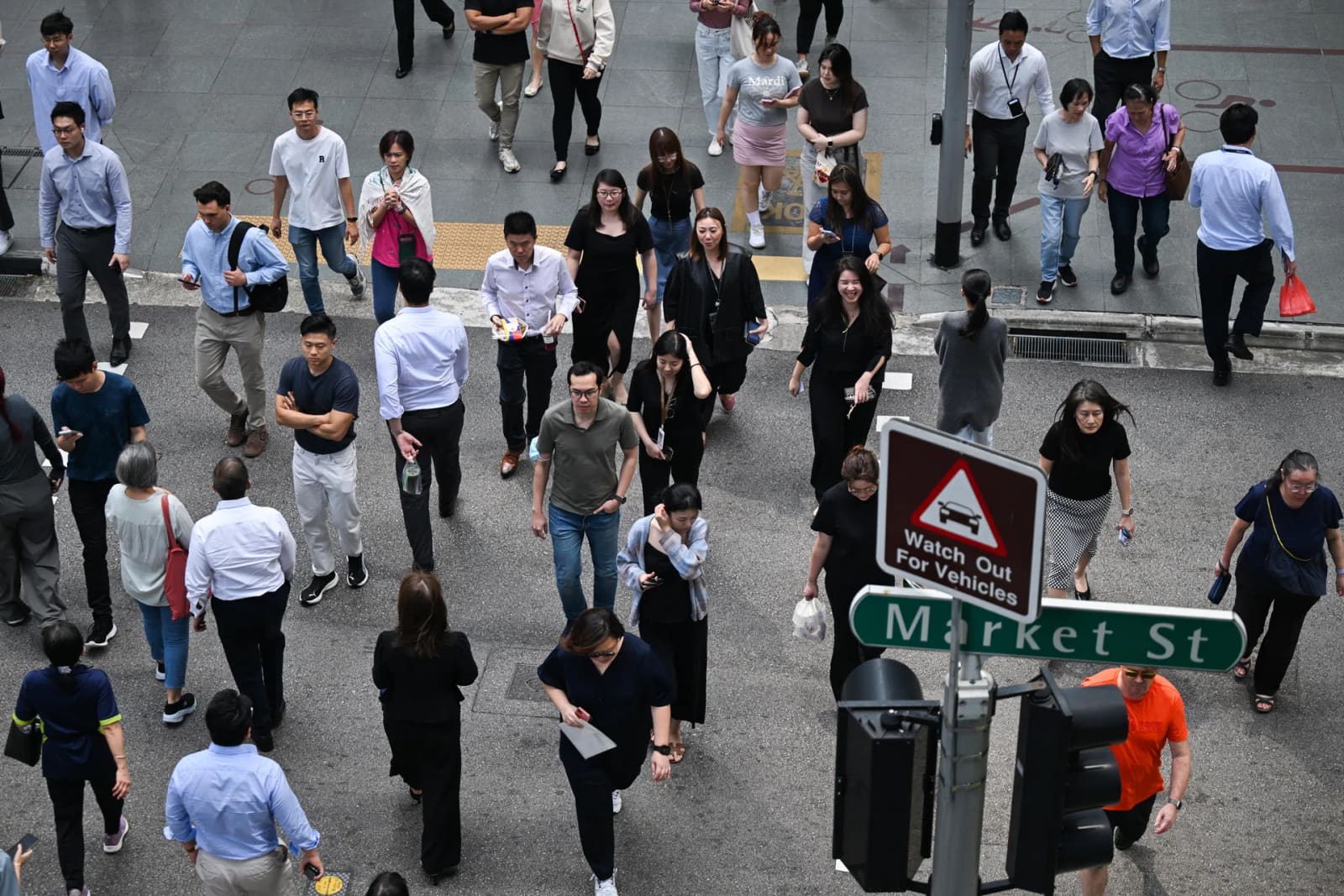
Southeast Asia's workforce is integrating artificial intelligence into daily operations at a rate that significantly exceeds global norms, according to Microsoft's latest Work Trend Index survey. The research, which polled 34,000 respondents across multiple regions, found that 73 per cent of AI users in Southeast Asia can now produce work they could not accomplish a year ago. That figure sits 15 percentage points above the global average of 58 per cent.
The gap widens further when examining advanced users. Microsoft classifies "frontier professionals" as those who deploy AI agents for complex, multi-step tasks, redesign workflows to leverage AI strengths, and participate in scalable AI practices beyond individual use. In Southeast Asia, 28 per cent of workers meet this threshold, compared with 16 per cent globally.
The survey covered the Asean-6: Indonesia, Malaysia, the Philippines, Singapore, Thailand, and Vietnam. Additional markets included the United States, China, Brazil, Germany, and Japan.
Mobile-First Culture Drives Uptake
Chia Wee Luen, managing director for Microsoft in Singapore, attributes the region's faster adoption to its digitally native population. "The population here is mobile-first and digitally savvy, so a lot of them probably view AI as a tool to acquire new skills," Chia said.
He added that many organizations in the region see AI as a leapfrog opportunity for productivity gains, unburdened by the legacy systems that slow adoption elsewhere. From Microsoft's vantage point, the regional workforce perceives AI less as a threat and more as a pathway to capabilities or knowledge previously out of reach.
A separate survey conducted earlier this year by market research firm Kantar, covering more than 500 business leaders in Southeast Asia, ranked AI and automation as the top investment priority across the region.
Singapore Leads the Asean-6
Within the Asean-6, Singapore stands out. Chia described the city-state as a "clear leader" in AI adoption, driven by national initiatives and concentrated activity in technology, financial services, and the public sector. Singapore's regulatory clarity and government-led AI strategies have created an environment conducive to faster deployment.
The country's financial services firms, in particular, have moved quickly to integrate AI into risk modeling, customer service automation, and compliance workflows. Public-sector agencies have piloted AI in urban planning, healthcare triage, and citizen-facing services.
The Shadow AI Risk
The survey also flagged a "transformation paradox": employees increasingly use AI tools that outperform their employers' official systems. Chia warned this dynamic can lead to "a lot of shadow AI," where workers turn to unauthorized applications, raising the risk of information leakage and intellectual property exposure.
Organizations that fail to provide sanctioned, capable AI tools may find their staff cobbling together consumer-grade alternatives, often without IT oversight or data governance. This gap between employee capability and institutional infrastructure poses a growing challenge for compliance and security teams across the region.
What Comes Next
As Southeast Asia's AI adoption curve steepens, the question shifts from whether organizations will deploy these tools to how quickly they can scale governance frameworks to match. The region's enthusiasm for AI offers a competitive edge in productivity, but only if enterprises can close the gap between individual experimentation and enterprise-grade deployment.
The divergence between Southeast Asia's adoption rate and the global average suggests the region may emerge as a testbed for AI-driven workflows in sectors ranging from manufacturing to services. Whether that advantage translates into sustained economic gains will depend on how effectively firms and governments manage the risks Chia highlighted.
RELATED STORIES
Vietnam Airlines Slash Fares to Singapore and Bangkok as Capacity Surges
Priyanka V. Rao · 2 min
APAC Enterprises Struggle to Prove What Their AI Systems Actually Did
Priyanka V. Rao · 4 min

Singapore Banks Hit Record Highs on Wealth Management Surge
Priyanka V. Rao · 2 min

Allianz Acquires HSBC Singapore Insurance Operations in $2.3 Billion Deal
Priyanka V. Rao · 3 min
Spot something wrong? Email editor@briefasia.com. We log every correction publicly.