Travel & Dining · Trends
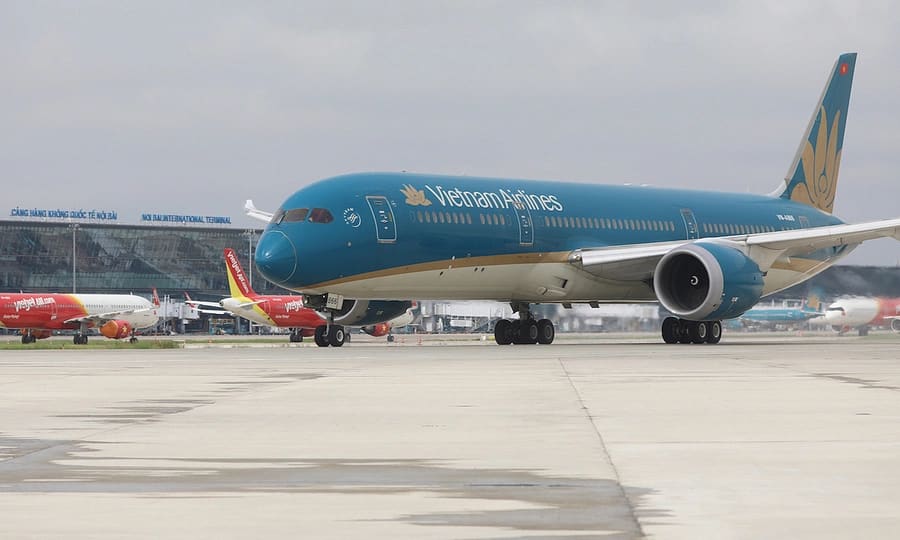
Vietnam Airlines Slash Fares to Singapore and Bangkok as Capacity Surges
Ticket prices to regional hubs have dropped by half year-on-year as Vietnamese carriers add flights and new routes, intensifying competition across Southeast Asia
KEY TAKEAWAYS
- ·Vietnamese carriers now offer Ho Chi Minh City to Singapore tickets at VND1.6 million, down from VND3.2 million last year, as capacity expands 10 percent year-on-year to 7.3 million seats in August.
- ·Vietnam Airlines and Vietjet Air account for 5 million of the new seats, with Vietjet launching three new international routes including Colombo, Almaty, and Prague by October.
- ·Government fuel tax cuts through September and subdued travel demand have combined with increased supply to push fares down 10 to 15 percent on long-haul routes to Europe and Northeast Asia.
Fares Fall to Multi-Year Lows
A business traveler from Ho Chi Minh City recently paid just over VND1.6 million ($61) for a one-way ticket to Singapore, half the VND3.2 million she paid for the same route last year. The fare marked the lowest she had seen since before the pandemic.
Vietnamese carriers have sharply expanded international operations this year, flooding key regional routes with capacity and driving down ticket prices even during the peak summer travel period. Vietnam Airlines and Vietjet Air now offer Ho Chi Minh City to Singapore flights starting at VND1.6 million, while Bangkok routes begin at VND1.9 million. Foreign airlines operating the same routes continue to charge two to three times those amounts.
On the Ho Chi Minh City to Jakarta route, fares have declined from a previous range of VND7 million to VND10 million down to VND6.3 million. Routes to Europe and Northeast Asian destinations from Hanoi and Ho Chi Minh City have seen price drops of 10 to 15 percent compared to the prior year.
Capacity Expansion Drives Competition
Vietnam is projected to offer 7.3 million available seats in August, a 10 percent increase from the same month last year, according to aviation data provider OAG. That volume places the country second in Southeast Asia behind only Indonesia. Vietnam Airlines will account for 2.8 million seats, while Vietjet Air will provide 2.2 million.
Flight frequencies have increased on several international routes. Vietjet has raised its Ho Chi Minh City to Kuala Lumpur service to seven flights per week during peak season. The budget carrier plans to launch Ho Chi Minh City to Colombo service on August 18, with Hanoi to Almaty and Hanoi to Prague routes scheduled to begin in October.
A ticket agency owner in Ho Chi Minh City identified increased supply and intensified airline competition as the primary factors behind the fare decline, noting that demand for overseas travel remains subdued this year.
Policy and Cost Factors
Operating costs for airlines have also eased. On July 1, the Vietnamese government reduced preferential import tariffs, environmental protection taxes, and value-added tax on gasoline and aviation fuel through September 30. The temporary tax relief has helped lower carriers' fuel expenses, one of the largest cost components for airlines.
The combination of expanded capacity, muted demand, and reduced fuel costs has created downward pressure on pricing across the board. While Vietnamese carriers have moved aggressively to capture market share with lower fares, foreign competitors have been slower to adjust their pricing on the same routes.
Regional Implications
The fare decline reflects broader shifts in Southeast Asian aviation markets. Vietnamese carriers are positioning themselves as cost-competitive alternatives on intra-regional routes, challenging established players in Singapore, Thailand, and Malaysia. The capacity additions also signal confidence in longer-term demand recovery, even as near-term travel appetite remains uncertain.
For corporate travelers and tourists alike, the pricing environment represents an opportunity to lock in travel at rates not seen in several years. Whether the fare levels prove sustainable will depend on how demand evolves in the coming months and whether foreign carriers respond with matching price cuts. For now, Vietnamese airlines are betting that volume can compensate for thinner margins on key regional routes.
RELATED STORIES
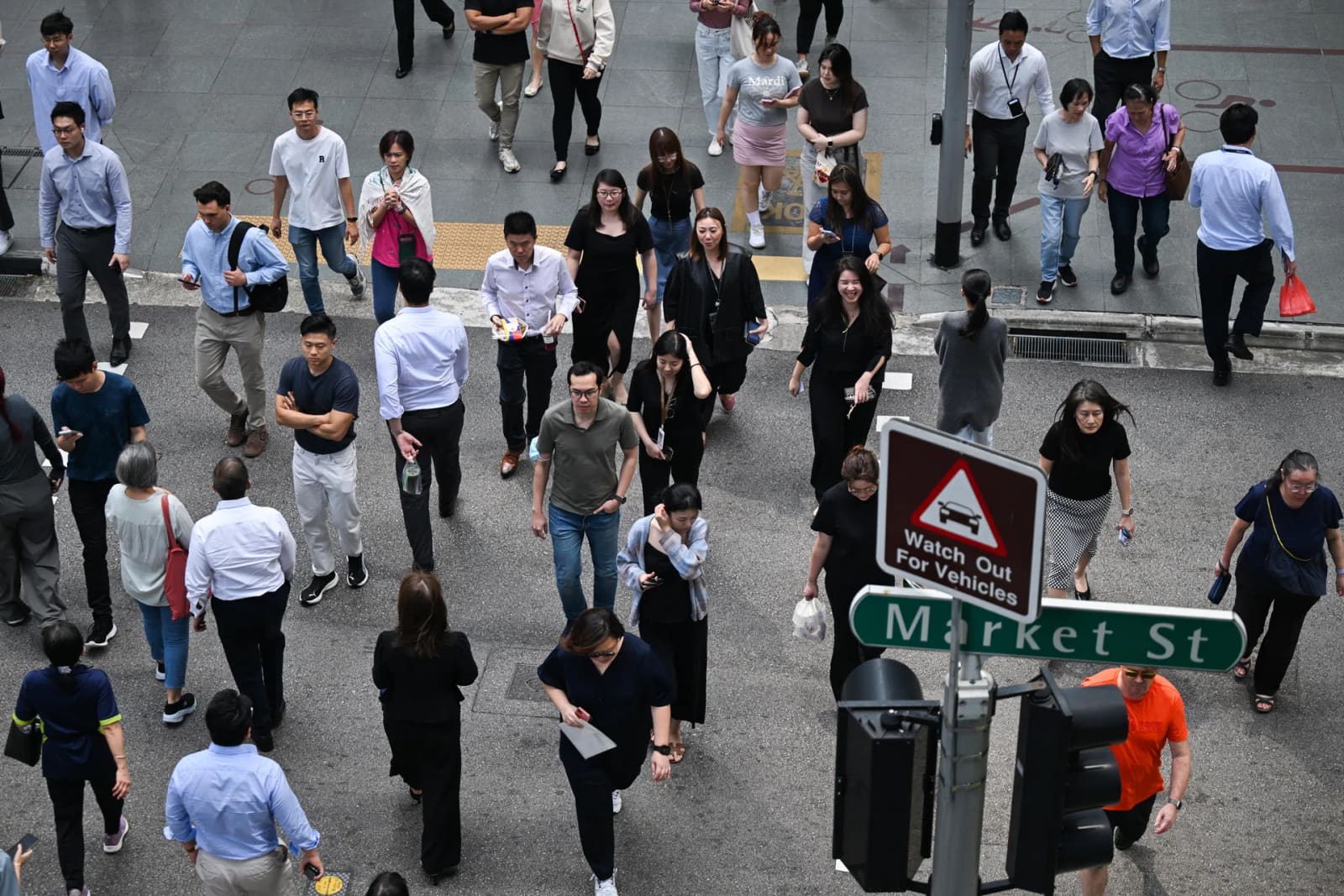
Southeast Asian Workers Embrace AI Tools Faster Than Global Peers
Priyanka V. Rao · 3 min

ASEAN's Crisis Response Model Under Pressure as Regional Tensions Mount
Siti Nuraini · 3 min
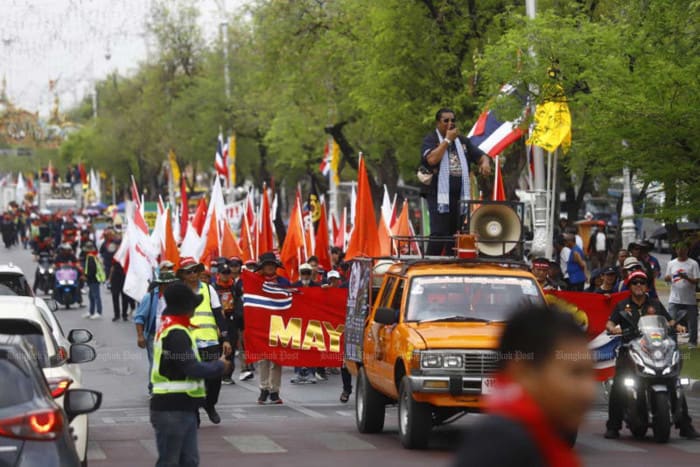
Thailand Faces Two Decades in Middle-Income Trap Without Workforce Upgrade
Priyanka V. Rao · 3 min

Indonesia Car Sales Jump 34% as Electric Vehicles Reshape Southeast Asia's Auto Market
Siti Nuraini · 3 min
Spot something wrong? Email editor@briefasia.com. We log every correction publicly.