Finance · Markets
South Korea Targets 36 Firms Under Stricter Delisting Standards
Korea Exchange flags companies that fell below market cap and share price thresholds as regulators tighten enforcement on penny stocks
KEY TAKEAWAYS
- ·Korea Exchange designated 36 companies as administrative issues on Wednesday, including nine on the Kospi and 27 on the Kosdaq, after they breached minimum listing requirements.
- ·Thirty of the flagged firms are newly designated, while six already under scrutiny received additional grounds for potential delisting under stricter enforcement rules.
- ·The move reflects South Korea's intensified effort to remove financially weak firms and penny stocks, part of a regional trend toward tighter market quality standards across Asia.
Enforcement Sweep Across Two Exchanges
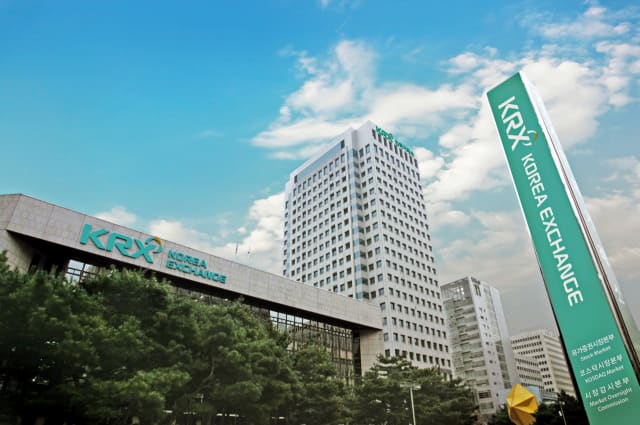
Korea Exchange flagged 36 listed companies Wednesday that have fallen below minimum listing thresholds, according to the exchange. Nine of the designated firms trade on the Kospi, while 27 operate on the Kosdaq. The designation marks them as administrative issues, a regulatory status that signals heightened delisting risk.
Of the 36 companies, 30 received their first administrative issue designation. The remaining six had already been flagged previously and now face additional grounds for potential removal from the exchange.
The sweep reflects South Korea's broader push to strengthen market quality by removing financially distressed firms and penny stocks that no longer meet minimum standards for public trading. The Korea Exchange has been tightening enforcement criteria, particularly around share price and market capitalization benchmarks.
What Triggers Administrative Status
Companies receive administrative issue designation when they breach specific listing requirements. The most common triggers include share prices that fall below minimum thresholds for extended periods or market capitalizations that drop beneath the exchange's floor levels.
The Kospi and Kosdaq maintain separate standards, with the Kosdaq generally applying less stringent requirements given its focus on smaller growth companies. However, both exchanges have recently raised their enforcement intensity as part of a coordinated effort to improve investor confidence.
Once designated, companies typically receive a grace period to remedy the violations. Failure to meet compliance requirements within the specified timeframe can lead to mandatory delisting, forcing shares off the public market and leaving investors with limited exit options.
Regional Context
South Korea's delisting enforcement sits within a broader Asian trend toward market cleanup. Japan, Taiwan, and Singapore have all introduced stricter listing standards over the past three years, responding to investor concerns about zombie companies and shell listings that distort market valuations.
Seoul's approach has been particularly aggressive. The Financial Services Commission and Korea Exchange have coordinated multiple rounds of rule changes since 2024, progressively raising minimum thresholds for market cap, trading volume, and financial health metrics.
The timing of this week's announcement coincides with heightened scrutiny of retail investor protection in South Korea, where equity trading among individual investors surged during the pandemic and remains elevated. Regulators have faced pressure to prevent retail capital from flowing into fundamentally weak stocks that carry outsized delisting risk.
Market Implications
The 36 designations represent a notable uptick in enforcement activity. Previous quarterly reviews typically flagged between 15 and 25 companies, suggesting regulators are applying the revised standards more broadly.
For the nine Kospi companies on the list, the designation carries particular weight. The main board has historically maintained higher standards and lower delisting rates than the Kosdaq, meaning administrative issue status on the Kospi often signals deeper financial distress.
Investors holding shares in the flagged companies face a narrow decision window. Trading typically remains active after designation, but liquidity can dry up quickly as institutional holders exit and retail traders become wary. Share prices often decline further once administrative status becomes public, compressing the timeline for recovery.
The Korea Exchange has not disclosed the specific companies on the list or the exact violations triggering each designation. However, the exchange's disclosure rules require individual companies to announce their own administrative issue status through regulatory filings, which are expected to appear over the coming days.
Market participants will be watching whether the stricter enforcement leads to a higher delisting rate in the second half of 2026. If a significant portion of the 36 companies fail to regain compliance, it would mark the most aggressive market cleanup South Korea has undertaken in over a decade.
RELATED STORIES
Seoul's KOSPI Climbs 3.2% on Semiconductor Rally
Cheng Wei-Lun · 3 min
South Korea's Short Sellers Pile In as Tech Rebound Gathers Steam
Cheng Wei-Lun · 2 min
Seoul's Kospi Breaks 7,000 After Two-Week Slide
Cheng Wei-Lun · 2 min
South Korean Household Credit Breaches 2 Trillion Won for First Time
Jun-ho Seo · 3 min
Spot something wrong? Email editor@briefasia.com. We log every correction publicly.