Finance · Markets
South Korea's Short Sellers Pile In as Tech Rebound Gathers Steam
Outstanding short positions jumped 14 percent in early August even as equities recovered from AI-led selloff
KEY TAKEAWAYS
- ·Short selling in South Korean equities rose 14 percent to 19 trillion won by mid-August despite a sharp market recovery from the AI-led selloff.
- ·The increase signals investor skepticism about the sustainability of the tech rally, with bearish bets climbing even as major indices stabilized.
- ·Elevated short interest could fuel volatility through potential short squeezes if the rally continues or accelerate declines if the market reverses course.
Bearish Bets Surge Amid Recovery
Short selling in South Korean equities climbed sharply in early August, even as the market staged a vigorous rebound from a rout triggered by a selloff in semiconductor and artificial intelligence stocks. Data from the Korea Exchange showed outstanding short positions reached approximately 19 trillion won ($13.4 billion) as of mid-August, marking a 14 percent increase from 16.73 trillion won at the end of July.
The rise represents a 2.27 trillion won expansion in bearish bets over a two-week period, a striking move given that major indices had recovered much of their losses from the AI-related downturn. At the end of February, short positions stood at 15 trillion won, underscoring the acceleration in bearish sentiment through the spring and summer months.
Skepticism Beneath the Surface
The divergence between market direction and short interest suggests institutional and sophisticated investors remain unconvinced about the durability of the recovery. While retail sentiment has turned optimistic on the back of stabilizing chip valuations and renewed interest in Korean tech exporters, short sellers appear to be positioning for another leg down or at minimum hedging against downside risk.
South Korea's equity market is heavily weighted toward technology and semiconductor names, making it particularly sensitive to global trends in AI infrastructure spending and memory chip pricing. The recent volatility in US tech stocks and concerns about overvaluation in AI-related names have reverberated through Seoul, creating opportunities for short sellers to exploit price dislocations.
Regulatory Context
South Korea has maintained a relatively open stance toward short selling compared to some regional peers, though the practice remains controversial among retail investors who often view it as a destabilizing force. Regulators have periodically tightened disclosure requirements and imposed temporary bans during periods of extreme volatility, but the current environment has not triggered intervention.
The Korea Exchange monitors short interest levels as part of its market surveillance framework, with particular attention paid to concentration in individual stocks and sectors. The current 19 trillion won level, while elevated, does not appear to have crossed thresholds that would prompt regulatory action.
Implications for Market Dynamics
The sustained increase in short positions creates a potential source of upward pressure if the market continues to rally, as short sellers would be forced to cover positions by buying back shares. This dynamic, known as a short squeeze, can amplify price moves and contribute to volatility.
Conversely, if the bearish thesis proves correct and the market rolls over, the existing short positions could accelerate declines as sellers add to positions and other investors exit. The concentration of shorts in a market dominated by a handful of large-cap tech names means the stakes are particularly high for both bulls and bears.
For now, the rise in short interest reflects a market in transition, with participants divided over whether recent gains represent a durable shift or a temporary reprieve before further turbulence.
RELATED STORIES
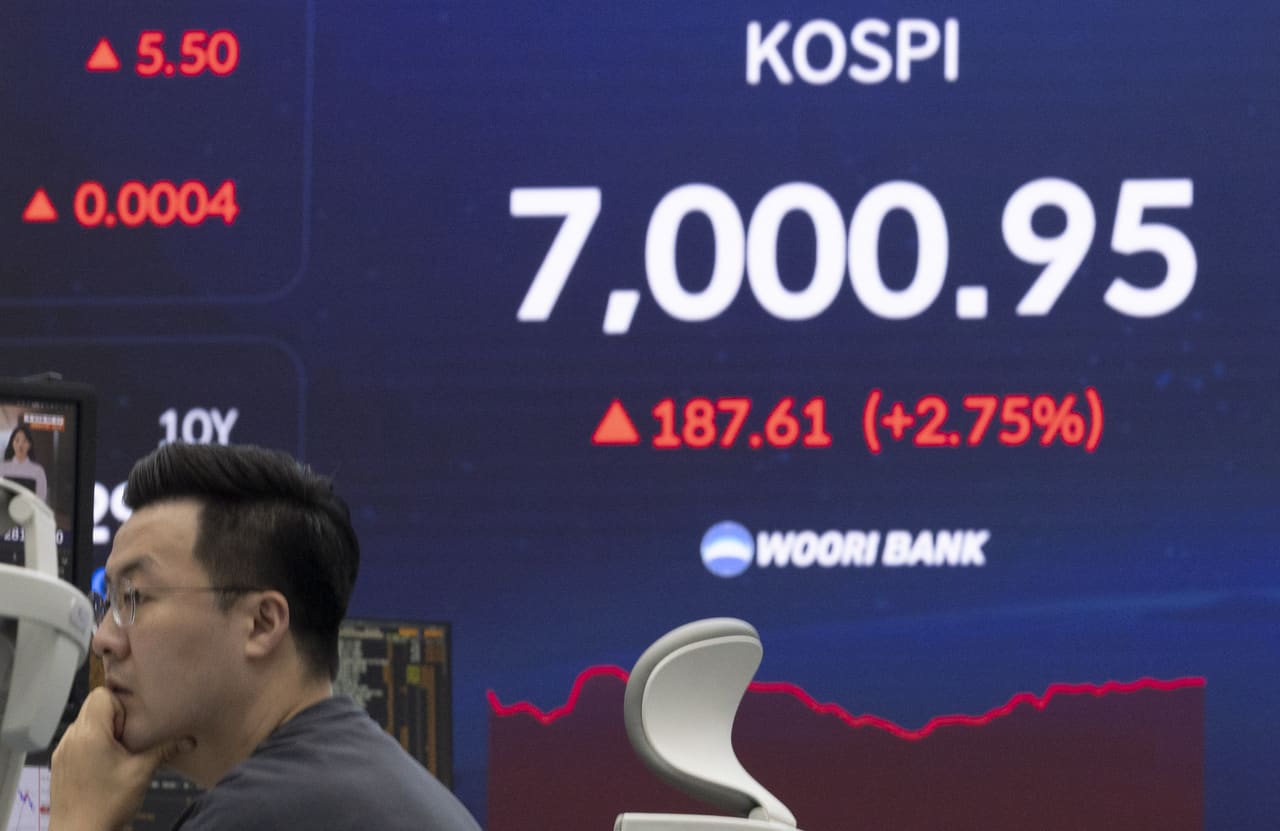
Seoul's Kospi Breaks 7,000 After Two-Week Slide
Cheng Wei-Lun · 2 min

South Korean Household Credit Breaches 2 Trillion Won for First Time
Jun-ho Seo · 3 min
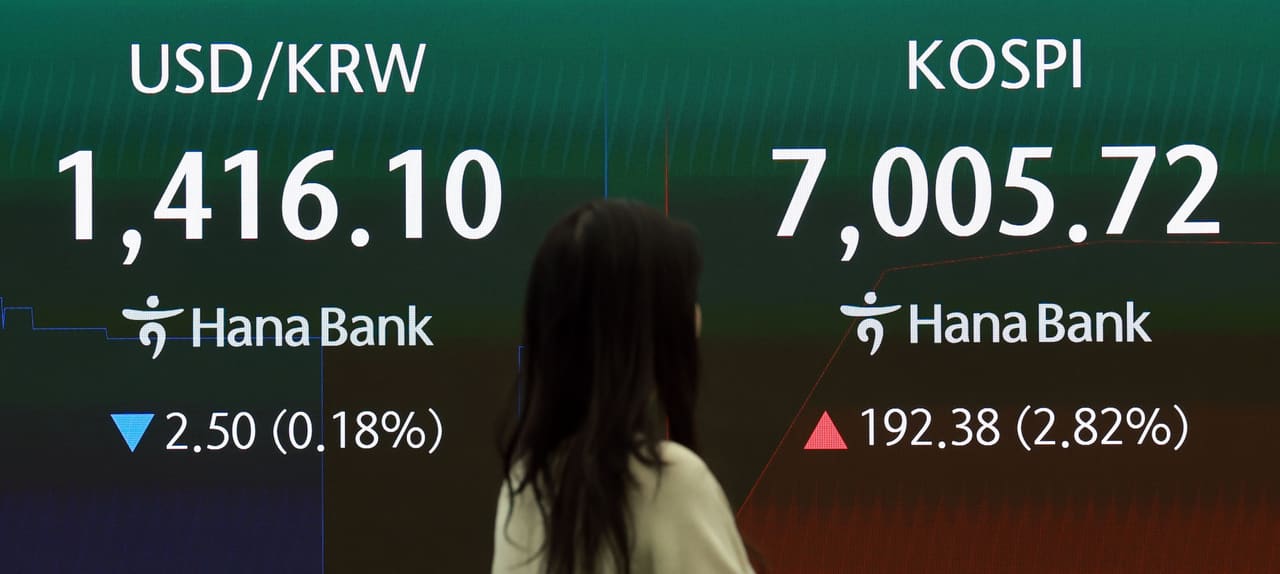
Seoul's KOSPI Extends Rally to Fifth Day on Semiconductor Strength
Cheng Wei-Lun · 2 min
Toss Parent Viva Republica Posts 53% Revenue Growth in First Half
Cheng Wei-Lun · 3 min
Spot something wrong? Email editor@briefasia.com. We log every correction publicly.