Asia · Business
San Miguel Brings Urban Farming Model to Visayas After Luzon Success
The Philippine conglomerate's Backyard Bukid initiative has established nine sites nationwide, producing over 4,300 kilos of crops while training 155 community farmers in organic agriculture.
KEY TAKEAWAYS
- ·San Miguel established its first Visayas urban farm in Albuera, Leyte, with 25 community farmers, expanding beyond nine Luzon sites that have produced over 4,300 kilograms of organic vegetables.
- ·The Backyard Bukid program, launched during COVID-19 lockdowns, now trains 155 farmers in organic methods through a partnership with SEED Philippines and anchors sites at elementary schools.
- ·San Miguel plans additional farms in Bulacan, Iloilo, Misamis Oriental, and Davao del Sur, testing whether the Luzon model scales across different regional agricultural contexts.
From Emergency Response to Regional Model
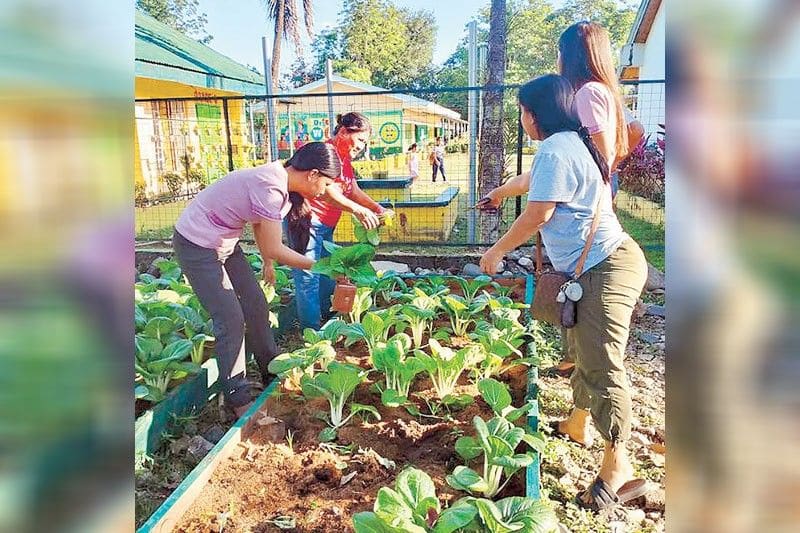
San Miguel Corp. has brought its urban agriculture program to the Visayas, opening a community farm at Antipolo Elementary School in Albuera, Leyte. The site marks the first expansion of the company's Backyard Bukid initiative beyond Luzon since the program began during COVID-19 lockdowns in 2020.
The Leyte farm operates with 25 community farmers drawn from parent groups, local officials, and school staff. According to San Miguel, the site serves a dual purpose: supplying fresh produce to participating families while creating a training ground for organic farming techniques.
"We really developed a strong sense of community, which is why our farm has been very productive," said Jonathan Dimailig, one of the community farmers at the site.
The program started as an emergency measure. When pandemic restrictions stranded utility and security personnel at San Miguel's Mandaluyong headquarters, the company set up small plots to grow vegetables on-site. That initial effort evolved into a structured program run through San Miguel Foundation, now spanning nine locations across the Philippines.
Production Numbers and Crop Mix
Across its nine sites, the Backyard Bukid network has produced more than 4,300 kilograms of vegetables and herbs. The farms grow a mix of quick-turnaround leafy greens including lettuce, bok choy, and kangkong, alongside longer-cycle crops such as eggplant, tomato, and lady finger. Several sites also cultivate moringa, herbs like basil and oregano, and fruit trees including banana and papaya.
The farms follow organic protocols, substituting natural pest controls and compost for synthetic chemicals. San Miguel trains volunteers through a partnership with SEED Philippines, a non-governmental organization specializing in sustainable agriculture education.
In March, the company launched another site at Soyung Elementary School in Echague, Isabela. That farm is managed entirely by women, a structure San Miguel chairman and CEO Ramon Ang highlighted as significant for community leadership.
"More than managing a source of food for their families, their taking charge of this livelihood project is a strong statement for the role of women not just in the family but in the community," Ang said.
Expansion Pipeline
San Miguel Foods has identified additional school sites in Bulacan, Iloilo, and Misamis Oriental for new farms. Meanwhile, San Miguel Properties plans to establish a community-managed operation in Brgy. Tagabuli, Santa Cruz, Davao del Sur.
The company positions the farms as both food security infrastructure and income generators. According to San Miguel, 155 active farmers now participate across the network, earning supplemental income from crop sales while feeding their households.
The model converts unused school grounds and idle parcels into productive land. By anchoring farms at elementary schools, the program builds in educational access for students and creates a visible community asset that can attract volunteer labor from parent networks.
Replicating the Template
San Miguel's approach reflects a broader trend among Philippine conglomerates embedding social programs into corporate operations. The Backyard Bukid sites function as demonstration farms, showing small-scale organic methods that participants can replicate in home gardens.
"We will continue to replicate these farms in other areas to provide healthier food options and additional income for families, and turn idle land into a shared space for learning and sustainable livelihood," Ang said.
The Visayas expansion tests whether the Luzon-developed model adapts to different regional contexts. Leyte's agricultural calendar, soil conditions, and crop preferences differ from those in Isabela or Metro Manila, requiring adjustments in planting schedules and variety selection.
With sites now operating in Luzon and the Visayas, and Mindanao locations in the pipeline, San Miguel is positioning urban farming as a scalable component of its community investment strategy. The program's longevity will depend on sustained volunteer engagement, consistent training support, and the economic viability of small-plot organic production in densely populated areas.
RELATED STORIES
Philippines Milk Output Jumps 21% as Dairy Herd Expands
Mariel D. Santos · 3 min
Philippines Infrastructure Delays Stem From Short-Term Budgeting Cycles
Mariel D. Santos · 3 min

Philippines Faces Uphill Battle to Meet 2027 Tax Revenue Targets
Priyanka V. Rao · 3 min

Philippines Reopens Doors to Canned Pork Imports After Seven-Year Ban
Priyanka V. Rao · 3 min
Spot something wrong? Email editor@briefasia.com. We log every correction publicly.