Asia · Business
Philippines Reopens Doors to Canned Pork Imports After Seven-Year Ban
Manila lifts 2019 restrictions on processed pork products following risk analysis showing heat-treated, hermetically sealed goods pose negligible African swine fever threat
KEY TAKEAWAYS
- ·The Department of Agriculture lifted the seven-year ban on imported canned pork via Department Circular 42 dated August 11, following a January 13 risk analysis that found negligible biosecurity threats from hermetically sealed, heat-treated products.
- ·Only industrially manufactured canned pork meeting WOAH standards of at least 70 degrees Celsius for 30 minutes qualifies for import, with valid Philippine registration required for all shipments.
- ·The Philippines imposed the original 2019 ban after African swine fever decimated hog populations and caused billions in farmer losses, with domestic production still below pre-outbreak levels.
Policy Shift After Extended Import Freeze
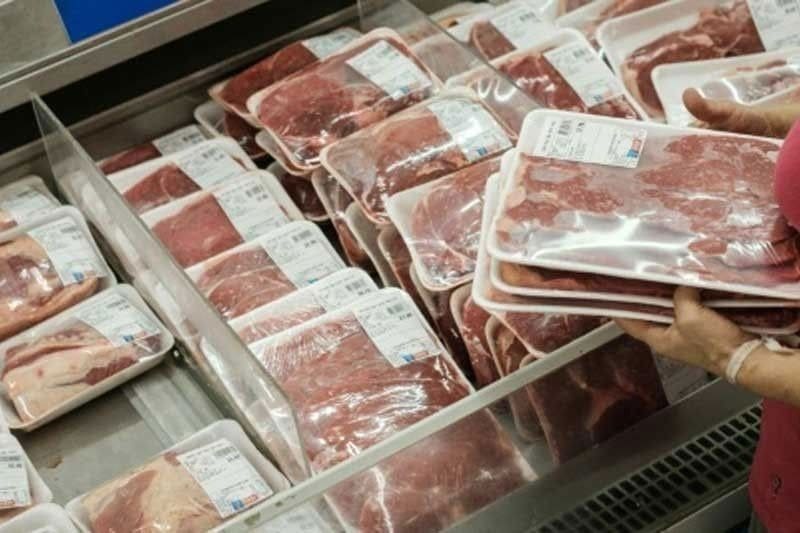
The Philippines has reversed a seven-year prohibition on imported canned pork products, a restriction first imposed in 2019 when African swine fever began devastating the country's hog industry. Department Circular 42, issued August 11, permits entry of industrially manufactured, hermetically sealed and heat-treated canned pork into the domestic market.
The Department of Agriculture announced the policy change following an import risk analysis conducted January 13. The review examined whether processed pork products could enter the country without reigniting the animal health crisis that has cost Filipino hog farmers billions in losses since the initial outbreak.
Strict Conditions Apply
Only canned pork meeting specific technical standards qualifies for import under the new regulation. Products must undergo industrial manufacturing, complete hermetic sealing, and heat treatment that exceeds baseline thresholds set by the World Organisation for Animal Health. The agency requires valid Philippine registration for all imported canned pork.
The Department of Agriculture's risk analysis concluded that biosecurity threats drop to negligible levels when trade limits strictly to industrially manufactured goods treated beyond WOAH standards. According to the WOAH Terrestrial Animal Health Code, meat products require treatment at minimum 70 degrees Celsius for at least 30 minutes to inactivate the African swine fever virus.
"The WOAH principle of Safe Commodities asserts that specific industrial treatments, specifically hermetic sealing and thermal sterilization, effectively neutralize the ASF virus," the Department of Agriculture stated in the circular.
Context of the Original Ban
Manila's 2019 import restrictions covered all meat and meat products from countries reporting active African swine fever cases. The blanket prohibition extended beyond fresh pork to include processed and canned goods, reflecting the severity of the threat facing the domestic swine sector.
"The Philippines deems it necessary to safeguard animal health and protect the local swine industry and therefore imposes a temporary ban on the importation of domestic and wild pigs, including pork and pork products, originating from countries with incursions of transboundary animal diseases," the Department of Agriculture said at the time.
The country continues recovering from African swine fever's impact. The disease decimated hog populations across multiple provinces, disrupting pork supply chains and forcing retail prices sharply higher. Smallholder farmers bore the heaviest losses, with many unable to restock herds after culling infected animals.
Regional Trade Implications
The policy adjustment arrives as Southeast Asian nations recalibrate agricultural import controls in response to evolving disease surveillance and food processing technology. Vietnam, Thailand, and Indonesia have implemented similar tiered systems that distinguish between fresh meat and industrially processed products.
Philippine pork imports traditionally originate from the United States, Canada, and European Union countries, with smaller volumes from Brazil and other Latin American suppliers. The seven-year ban redirected some processed meat trade flows within the region, benefiting producers in countries without ASF outbreaks.
Domestic pork processors may face renewed competition from foreign canned goods, though the hermetic sealing and high-temperature treatment requirements limit the pool of eligible exporters. Industry observers note that Philippine canned pork manufacturers invested heavily in capacity expansion during the import ban, positioning themselves to compete on price and distribution once borders reopened.
What Comes Next
The Department of Agriculture has not specified whether additional meat product categories will undergo similar import risk reviews. Fresh and frozen pork from African swine fever-affected countries remain prohibited under existing regulations.
Veterinary authorities will monitor biosecurity compliance among importers to ensure only products meeting technical specifications enter the market. The agency's capacity to enforce hermetic sealing and heat treatment standards will prove critical as trade volumes increase in coming months.
Philippine hog farmers, still rebuilding herds after years of disease pressure, face a shifting competitive landscape. While the country's swine population has begun recovering, production levels remain below pre-2019 benchmarks. The return of imported canned pork adds another variable to an industry still working through the longest disease crisis in its modern history.
RELATED STORIES

Philippine Lawmakers Push to Remove System Loss From Electricity Bills
Mariel D. Santos · 3 min

Philippines Clears 394 Power Projects in Twelve Months Under New Energy Regulator
Priyanka V. Rao · 4 min
Asian Routes Become Conduit for Billions in Tariff Evasion
Cheng Wei-Lun · 3 min
Filipino Workers Say They're Paid Fairly, Yet Half Still Can't Cover Living Costs
Priyanka V. Rao · 3 min
Spot something wrong? Email editor@briefasia.com. We log every correction publicly.