Asia · Politics
Philippine Lawmakers Push to Remove System Loss From Electricity Bills
Proposed legislation would force distributors to absorb power theft and transmission losses as operating costs, raising viability concerns across the archipelago's 140 utilities.

KEY TAKEAWAYS
- ·Philippine senators propose banning system loss charges on electricity bills, requiring utilities to absorb technical losses and theft as operating costs instead of pass-through charges.
- ·National system loss improved from 12 percent in 2003 to eight percent in 2025, with recovery caps set at 5.5 percent for private utilities and up to 12.5 percent for cooperatives.
- ·Senate energy committee chair emphasized reforms must distinguish unavoidable technical losses from preventable theft while preserving utilities' financial ability to invest in infrastructure.
Legislative Response to Presidential Call
Philippine senators have filed measures to eliminate system loss charges from consumer electricity bills, responding to President Marcos's July State of the Nation Address. The proposed amendments to the Electric Power Industry Reform Act would require distribution utilities and electric cooperatives to treat lost and stolen electricity as operating costs rather than pass-through charges.
Under current law, Republic Act 9136 mandates unbundled electricity rates that itemize costs for consumers. System loss appears as a separate line item, representing electricity that dissipates during transmission or disappears through theft. The Energy Regulatory Commission sets strict caps on how much of this loss distributors can recover from customers.
Two Types of Loss in the Grid
System loss stems from two distinct sources. Technical losses occur as electricity travels through wires and transformers, dissipating as heat over distance. The physics are identical to laptop chargers warming during use. Non-technical losses arise from meter tampering, illegal connections, and electricity pilferage that bypasses billing systems entirely.
The combined loss rate varies dramatically across the Philippines' 140 distribution utilities, according to the Department of Energy. Some operators report losses as low as three percent, while others exceed 20 percent. Privately-owned distributors face a 5.5 percent recovery cap; electric cooperatives operate under caps ranging from 8.25 to 12.5 percent. Any losses beyond these thresholds come directly from utility balance sheets.
National system loss has improved from 12 percent in 2003 to eight percent in 2025, per Department of Energy data. Distribution companies attribute the decline to network investments and anti-pilferage enforcement, though they note that eliminating theft entirely remains as difficult as eradicating crime.
Financial Viability at Stake
During recent Senate energy committee hearings, legislators and regulators acknowledged that zero system loss is technically impossible. Senator Erwin Tulfo, committee chair, emphasized the need to distinguish between unavoidable technical losses and preventable factors like theft. He stressed that cost-reduction efforts must preserve utilities' ability to invest in infrastructure upgrades.
Energy Undersecretary Riolita Inocencio called for stronger legal tools to combat electricity theft, including potential amendments to the Anti-Electricity Pilferage Law. Current enforcement relies on coordination between utilities, law enforcement agencies, and local governments, a structure that leaves gaps in accountability.
Industry observers note that smaller distribution utilities and electric cooperatives operating on thin margins would face existential risk if forced to absorb all system loss. Even larger operators with more resources would see profitability erode quickly under such a mandate. The concern extends beyond corporate balance sheets: financially unstable utilities cannot maintain service reliability or fund grid modernization.
Technology as Mitigation
Manila Electric Company, the country's largest distributor, continues expanding substation capacity and upgrading power lines to reduce technical losses. The utility has also intensified enforcement against illegal connections, turning over collected penalties to customers as bill reductions.
The company views smart grid technology and advanced metering infrastructure as critical next steps. Modern systems enable real-time monitoring of consumption patterns, faster identification of anomalies, and more efficient energy routing. These tools can flag suspicious usage immediately rather than discovering theft during manual meter inspections weeks later.
Policy Path Forward
The Energy Regulatory Commission has signaled willingness to review system loss caps using updated data and methodology. A recalibration could lower caps in ways that balance consumer relief with utility sustainability, avoiding the binary choice between full pass-through and complete absorption.
The debate highlights a tension inherent in the Philippines' deregulated electricity market. Unbundling was designed to create transparency and accountability, making each cost component visible and subject to scrutiny. Removing system loss from bills would restore opacity without addressing the underlying causes of the loss itself.
For distribution utilities navigating aging infrastructure, island geography, and persistent theft, the question is not whether system loss exists but who bears the cost when prevention falls short.
RELATED STORIES
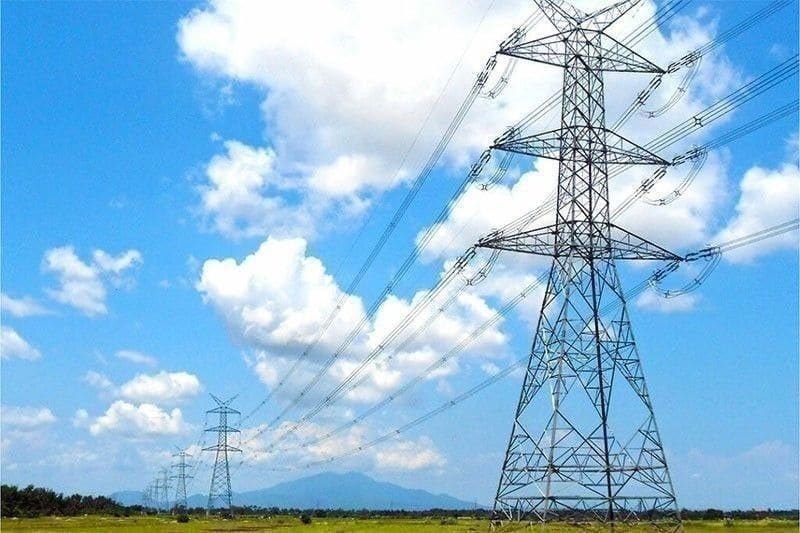
Philippines Clears 394 Power Projects in Twelve Months Under New Energy Regulator
Priyanka V. Rao · 4 min

Philippines Reopens Doors to Canned Pork Imports After Seven-Year Ban
Priyanka V. Rao · 3 min
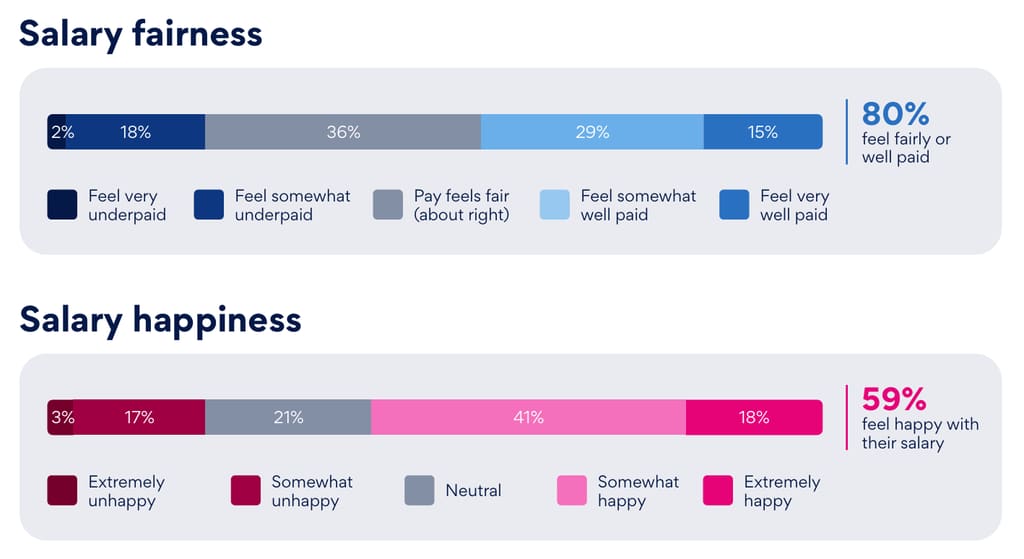
Filipino Workers Say They're Paid Fairly, Yet Half Still Can't Cover Living Costs
Priyanka V. Rao · 3 min
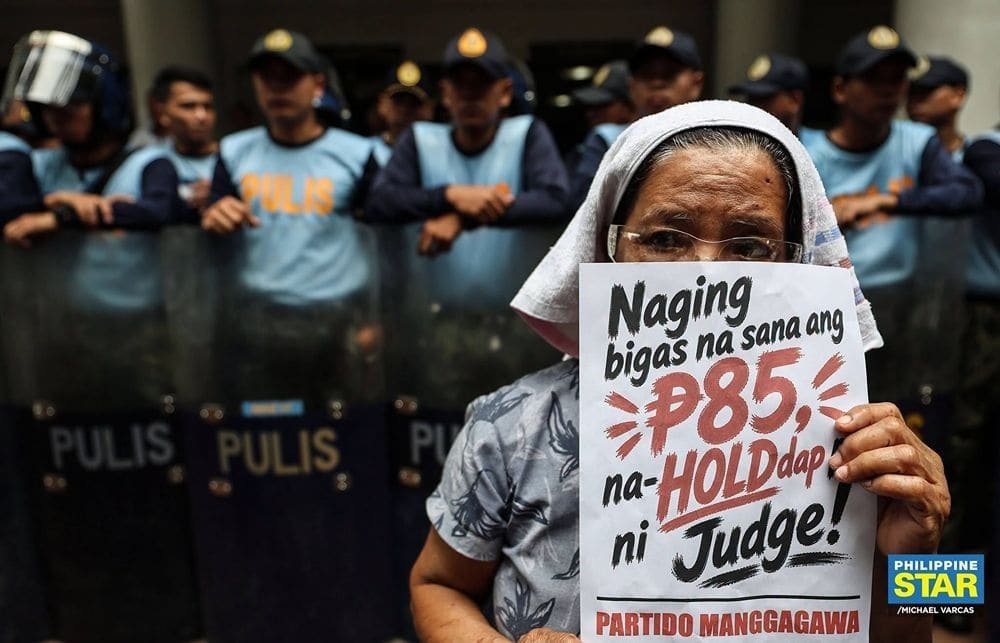
Manila Court Indefinitely Suspends 85-Peso Wage Increase for Metro Manila Workers
Priyanka V. Rao · 2 min
Spot something wrong? Email editor@briefasia.com. We log every correction publicly.