Finance · Deals
Citi and JPMorgan Back Japanese Financing for US Gas Plants
Two American banking giants join Tokyo's $4.6 billion co-financing deal for Pennsylvania and Texas power projects, marking their first participation in Japan's broader US investment push
KEY TAKEAWAYS
- ·Citigroup and JPMorgan Chase will co-finance $4.6 billion in gas plant projects in Pennsylvania and Texas alongside Japanese lenders, marking the first US bank participation in Tokyo's $550 billion American investment initiative.
- ·The financing deal supports two gas-fired power facilities in states with established natural gas infrastructure, with Japanese institutions seeking dollar-based partnerships to manage currency risk and access deeper US capital markets.
- ·Japan Bank for International Cooperation has expanded its US financing role as part of Tokyo's broader energy security strategy, with top Japanese banks now holding over $1.25 trillion in combined foreign currency liquidity buffers.
American Banks Enter Tokyo's Energy Push
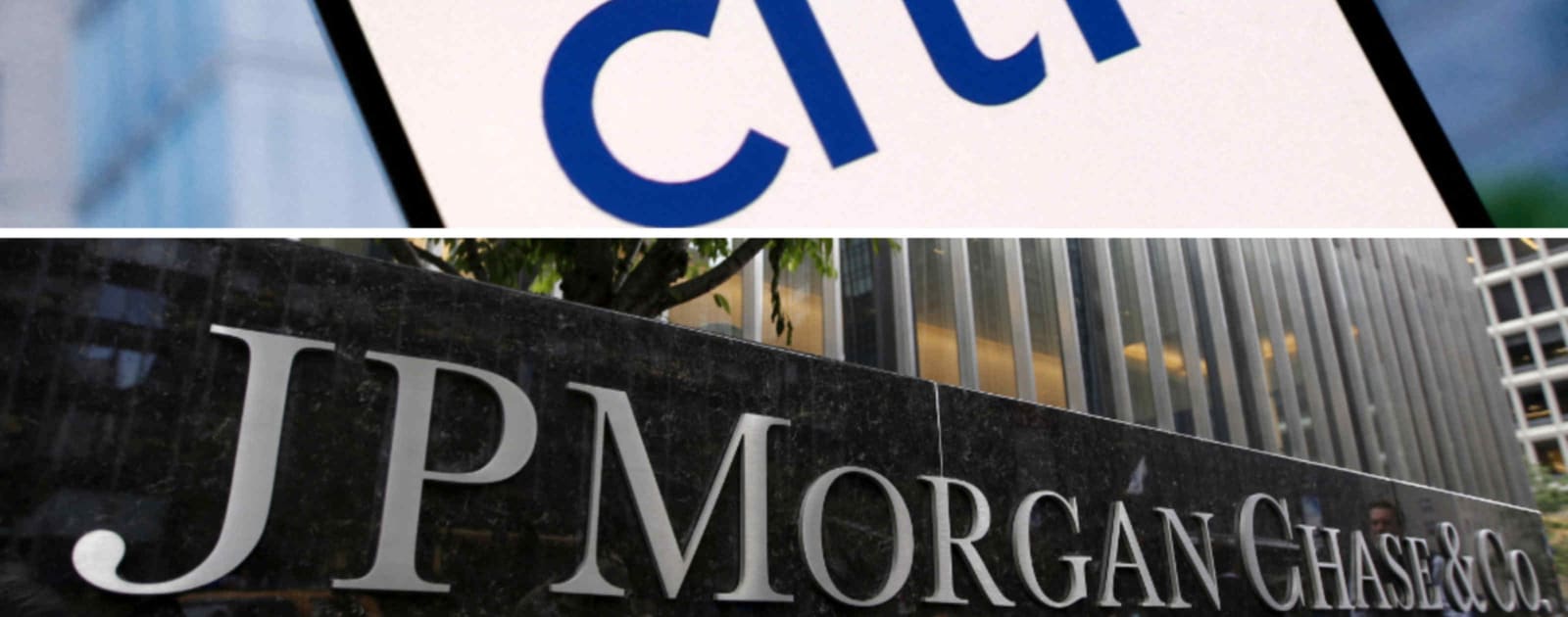
Citigroup and JPMorgan Chase Bank will participate alongside Japanese financial institutions in a $4.6 billion financing arrangement for two gas-powered electricity generation facilities in Pennsylvania and Texas, according to an announcement made Friday. The deal represents the first time major US banks have joined Japan's broader $550 billion American investment initiative.
The financing package supports gas plant construction in two states that have seen significant energy infrastructure development over the past decade. Pennsylvania's Marcellus Shale region has become a major natural gas production center, while Texas continues to expand its electricity generation capacity to meet growing demand from industrial and residential users.
Cross-Pacific Lending Coalition
The involvement of Citigroup and JPMorgan marks a shift in how Japanese capital flows into US energy projects. Previous transactions under Tokyo's investment framework relied primarily on Japanese banks and government-backed lenders, but this deal brings American financial institutions directly into the structure.
Japanese lenders have been exploring ways to raise dollar-denominated funding for promised US investments, and partnering with domestic American banks offers access to deeper capital markets and local expertise. The collaboration also spreads risk across a broader group of financial institutions, a consideration for large-scale infrastructure projects that typically span multiple years from financing to operation.
Gas-fired power plants remain a key component of US electricity generation despite growing renewable capacity. These facilities provide baseload power and grid stability, particularly in regions where wind and solar output varies with weather conditions. Pennsylvania and Texas both have extensive natural gas pipeline networks, reducing fuel transportation costs for new plants.
Tokyo's Larger Commitment
The $4.6 billion deal forms part of Japan's $550 billion pledge to invest in American projects, an initiative that encompasses energy, manufacturing, technology, and infrastructure sectors. Japanese state lender Japan Bank for International Cooperation has seen its US financing activity increase as it takes on a larger supply chain role, supporting projects that align with both countries' economic priorities.
Energy security considerations have driven much of this investment activity. Japan, which imports nearly all its fossil fuels, has sought to secure stable energy supply chains through strategic partnerships and project financing. Backing US gas infrastructure creates indirect access to American energy resources and strengthens bilateral economic ties.
The participation of Citi and JPMorgan also signals confidence in the projects' commercial viability. American banks conduct rigorous due diligence on energy deals, particularly in a regulatory environment where environmental standards and permitting processes can affect project timelines and returns.
Market Context
Asian currencies have faced pressure in recent months, with yen volatility putting other regional currencies on notice. Dollar-denominated financing arrangements like the gas plant deal help Japanese institutions manage currency risk while deploying capital abroad. Co-financing with US banks further stabilizes the structure by anchoring it in dollar-based funding sources.
The announcement comes as Japanese financial institutions weigh their approach to large-scale US commitments. Top banks have been evaluating how to raise sufficient dollar liquidity to meet investment targets, with some boosting foreign currency buffers to over $1.25 trillion combined. Partnering with American lenders on individual deals offers an alternative to solely relying on internal balance sheets.
Gas power projects typically require long-term financing given their capital intensity and extended construction periods. The involvement of multiple banks spreads exposure and allows each institution to participate at a scale consistent with its risk appetite and strategic priorities. For Japanese lenders, the deal also provides a template for future cross-border energy investments under Tokyo's broader American funding framework.
RELATED STORIES
Japan's GPIF Posts $153 Billion Quarterly Gain on AI Stock Surge
Aiko Nakamura · 3 min
Japan Considers State Backstop for Tanker Insurance Amid Gulf Tensions
Aiko Nakamura · 4 min
Japan and US Stage Joint Intervention as Yen Slides Past ¥155
Aiko Nakamura · 3 min
Rakuten Shares Slide as Mobile Unit Losses Deepen Investor Concerns
Aiko Nakamura · 3 min
Spot something wrong? Email editor@briefasia.com. We log every correction publicly.