Finance · Markets
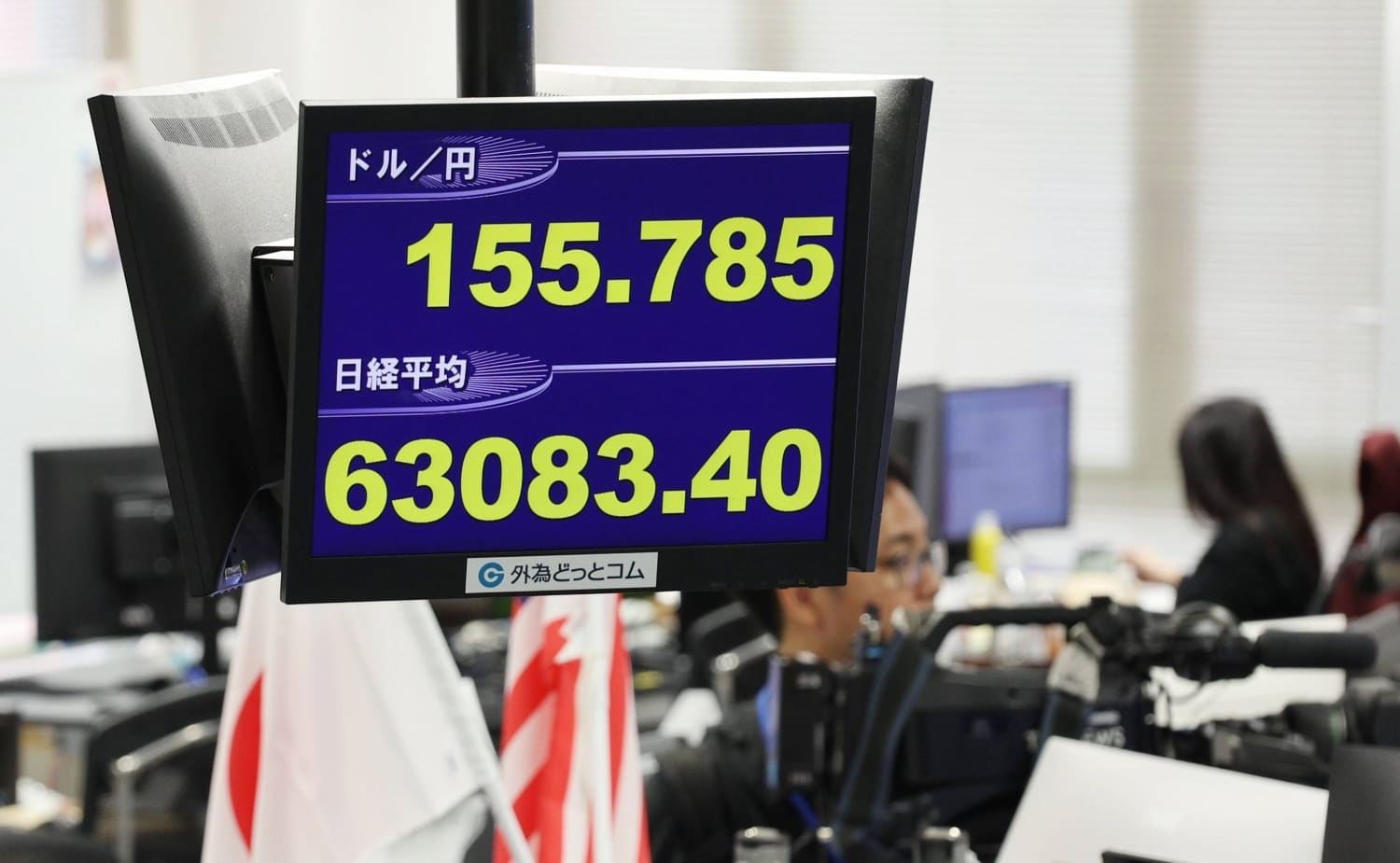
Japan and US Stage Joint Intervention as Yen Slides Past ¥155
Coordinated currency action pushes yen back from multi-decade lows, but structural headwinds keep pressure on Asia's largest debt-laden economy
KEY TAKEAWAYS
- ·Japan and the United States executed coordinated currency intervention in early August as the yen traded near ¥155 per dollar, marking rare joint action to stabilize the currency.
- ·The yen's weakness stems from a structural interest rate gap between Japan's near-zero policy rate and the Federal Reserve's 4-5 percent range, which intervention alone cannot resolve.
- ·Without fiscal reform or rate adjustments, the yen remains vulnerable to further depreciation, with spillover risks for Korean and Taiwanese exporters competing in the same markets.
Rare Cross-Pacific Currency Action
The yen was trading in the ¥155-per-dollar range on August 3 following coordinated intervention by monetary authorities in Tokyo and Washington. The joint operation represents an uncommon alignment between the two Pacific powers, deployed as the Japanese currency approached levels last seen during previous periods of acute weakness.
Currency intervention by a single central bank has become increasingly ineffective in modern foreign-exchange markets, where daily turnover exceeds $7 trillion. Coordinated action carries greater market weight, signaling unified policy intent across major economies. The involvement of US authorities in defending the yen underscores concern that disorderly currency moves could ripple through global trade and financial stability.
Japan's Ministry of Finance declined to disclose the scale of the intervention or the precise mechanisms used. Historical precedent suggests authorities likely sold dollar reserves accumulated over decades to buy yen in spot markets, while the US Federal Reserve may have coordinated through swap lines or direct market operations.
Why Traditional Tools Are Losing Traction
The ¥155 threshold holds psychological significance for Japanese policymakers. The currency last traded near these levels during episodes that triggered import inflation and squeezed household purchasing power in an economy already grappling with stagnant wages. Unlike previous yen crises, however, the current weakness stems not from speculative attacks but from fundamental interest-rate differentials.
The Bank of Japan maintains its policy rate near zero while the Federal Reserve holds rates in the 4-5 percent range. That gap creates a structural incentive for capital to flow out of yen-denominated assets and into dollar instruments, a dynamic that spot intervention can only temporarily disrupt. Without addressing the underlying rate divergence, market forces reassert themselves within days or weeks.
Japan faces a policy trilemma. Raising rates to defend the currency would burden the government's ¥1 quadrillion debt pile and risk tipping the economy into recession. Maintaining ultra-low rates preserves fiscal breathing room but invites currency depreciation. Intervention offers a middle path, yet its effectiveness fades without complementary policy shifts.
Regional Spillover and Export Dynamics
A weaker yen traditionally benefits Japanese exporters by making their goods cheaper abroad. Toyota, Sony, and other manufacturers see profit margins expand when overseas revenues convert back into more yen. Yet the current episode coincides with supply-chain reconfigurations that have shifted production offshore, diluting the export windfall.
Meanwhile, import costs surge. Japan imports nearly all its energy, and a weaker yen translates directly into higher prices for liquefied natural gas, crude oil, and coal. Food imports, which account for roughly 60 percent of caloric intake, also become more expensive. The inflation Japan spent decades trying to generate has arrived, but through a channel that erodes real incomes rather than stimulating demand.
Other Asian economies watch closely. A persistently weak yen pressures the Korean won and Taiwan dollar, as exporters in Seoul and Taipei compete with Japanese manufacturers for global market share. Central banks across the region must weigh whether to allow their own currencies to depreciate in tandem or intervene to maintain competitiveness, a dynamic that can spiral into competitive devaluation.
Fiscal Policy as the Missing Lever
Intervention and rate policy dominate headlines, but fiscal decisions ultimately determine the yen's trajectory. Japan's government debt-to-GDP ratio exceeds 250 percent, the highest among advanced economies. Servicing that debt consumes a growing share of tax revenue, constraining the government's ability to deploy fiscal stimulus or absorb rate hikes.
Structural reforms to boost productivity and wage growth could ease pressure on the currency by making Japan a more attractive destination for capital. Immigration policy, labor-market flexibility, and corporate governance reforms have been discussed for years but implemented slowly. Without progress on these fronts, the yen remains vulnerable to external shocks and policy divergence with the United States.
Coordinated intervention buys time, but time alone does not solve structural imbalances. Japanese policymakers face a narrow path: defend the currency without destabilizing debt markets, encourage inflation without sparking a cost-of-living crisis, and maintain export competitiveness without triggering regional currency tensions. The August intervention demonstrates resolve, yet the underlying forces that drove the yen to ¥155 remain largely intact.
The question now is whether Tokyo and Washington can sustain coordination if the yen tests ¥160 or beyond, and whether Japan will use the breathing room to address fiscal and structural weaknesses that no amount of intervention can permanently overcome.
RELATED STORIES
Japan's Currency Defense Crumbles as Dollar Pushes Past 159 Yen
Cheng Wei-Lun · 4 min
Renminbi Faces Upward Pressure After US-Japan Yen Intervention
Cheng Wei-Lun · 3 min

Bessent's Yen Support Pledge Faces Reality of Constrained U.S. Intervention Tools
Cheng Wei-Lun · 4 min
US Treasury Secretary and Japanese PM Diverge on BOJ Policy Amid Currency Intervention
Aiko Nakamura · 4 min
Spot something wrong? Email editor@briefasia.com. We log every correction publicly.