Finance · Markets
Rakuten Shares Slide as Mobile Unit Losses Deepen Investor Concerns
The Japanese e-commerce giant's stock has fallen 14% this year, underperforming the broader market amid persistent losses in its telecommunications business
KEY TAKEAWAYS
- ·Rakuten shares dropped Wednesday and are down 14% year-to-date, underperforming Japan's broader equity indices despite favorable market conditions.
- ·Persistent losses from Rakuten Mobile continue to alarm investors as the telecommunications unit drains capital from the parent company's profitable e-commerce and fintech operations.
- ·Investor patience is being tested as profitability targets for the mobile business are repeatedly pushed back, raising questions about the timeline for breakeven.
Market Reaction Intensifies
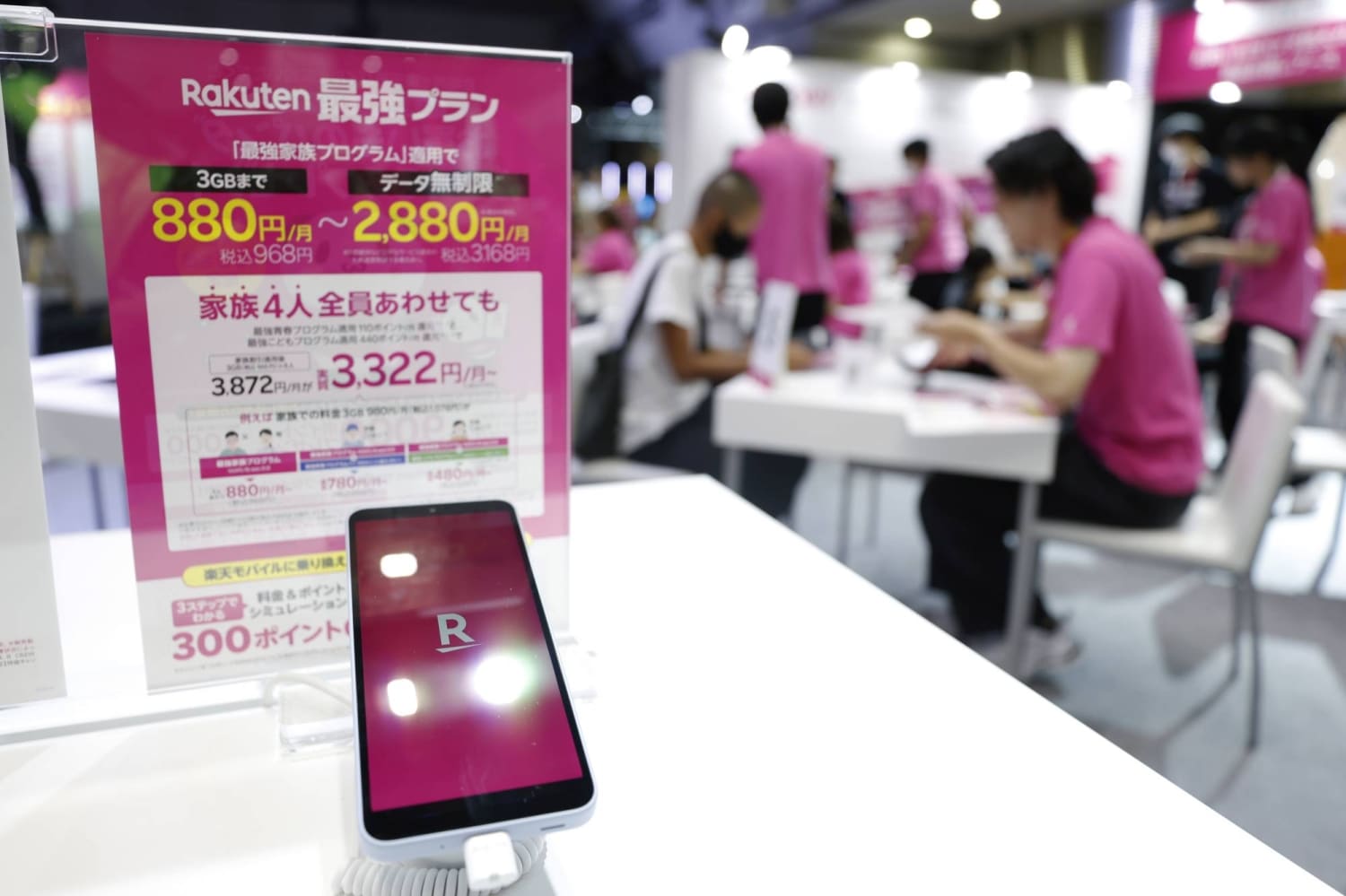
Rakuten Group's shares tumbled Wednesday as mounting losses from its mobile telecommunications arm triggered fresh alarm among investors already wary of the company's ability to turn around one of Japan's most closely watched corporate turnaround stories. The sell-off deepened what has been a difficult year for the Tokyo-based conglomerate, with shares down 14% since January even as Japan's broader equity indices posted gains.
The stock decline reflects growing impatience with Rakuten's multi-year bet on becoming Japan's fourth major mobile carrier, a capital-intensive gamble that has drained billions from the parent company's coffers while established players NTT Docomo, KDDI, and SoftBank maintain their grip on the market. Wednesday's trading session saw investors reassess the timeline and likelihood of the mobile unit reaching profitability, a milestone that has repeatedly been pushed back since the service launched in 2020.
Mobile Division Under Scrutiny
Rakuten Mobile has struggled to gain traction despite aggressive pricing and network expansion efforts. The unit's persistent red ink stands in stark contrast to the profitability of Rakuten's core e-commerce and fintech operations, which have historically funded the telecommunications venture. Industry observers note that customer acquisition costs remain elevated while average revenue per user has failed to reach levels necessary to offset infrastructure investments.
The mobile business requires substantial ongoing capital expenditure to build out network coverage and compete with entrenched rivals who benefit from decades of infrastructure investment and customer loyalty. Rakuten founder and CEO Hiroshi Mikitani has defended the strategy as essential to the company's long-term vision of a integrated digital ecosystem, but quarterly results have yet to validate that thesis in the eyes of equity markets.
Broader Market Divergence
The 14% year-to-date decline in Rakuten shares stands out against a backdrop of relative strength in Japanese equities this year. The Nikkei 225 and Topix indices have both posted solid gains, buoyed by corporate governance reforms, yen weakness benefiting exporters, and renewed foreign investor interest in Tokyo-listed stocks. Rakuten's underperformance highlights how company-specific execution challenges can override favorable macro conditions.
Analysts tracking the stock point to uncertainty around the mobile unit's path to breakeven as the primary drag on valuation. Several brokerages have maintained cautious ratings, citing the risk that continued losses could pressure the parent company's credit profile and limit strategic flexibility. The conglomerate's diverse portfolio spanning e-commerce, digital payments, securities trading, and banking has historically provided cross-selling opportunities and stable cash flow, but those strengths have been overshadowed by the mobile operation's capital demands.
Investor Patience Tested
Wednesday's sharp decline signals that investor tolerance for extended losses may be wearing thin. Rakuten has previously outlined targets for mobile profitability, only to revise those projections as competitive dynamics and network buildout timelines shifted. The company's ability to balance investment in the mobile business with returns to shareholders and maintaining financial stability has become a central question for the investment community.
The telecommunications venture was positioned as a disruptive force that would leverage Rakuten's technology expertise and loyalty program to shake up Japan's oligopolistic mobile market. While the company has attracted millions of subscribers with competitive pricing and data plans, the economics of the business have proven more challenging than initially projected. Network quality concerns and coverage gaps in rural areas have also slowed momentum.
Path Forward Remains Uncertain
Rakuten faces a critical juncture as it seeks to demonstrate tangible progress toward mobile profitability while preserving the strength of its other business lines. The company's integrated ecosystem strategy depends on the mobile unit eventually contributing rather than consuming capital, but the timeline for that inflection point remains unclear.
Market participants will be watching upcoming quarterly results and management commentary closely for signs of improving unit economics in the mobile division. Any indication that losses are stabilizing or customer metrics are strengthening could help rebuild confidence. Conversely, further delays or deterioration in the mobile business would likely intensify pressure on the stock and raise questions about strategic alternatives.
The contrast between Rakuten's struggling share price and Japan's buoyant equity markets underscores the premium investors place on execution and profitability over growth narratives alone. For Mikitani and his leadership team, the challenge is to convert the mobile infrastructure investment into a sustainable business before investor patience runs out entirely.
RELATED STORIES

Tokyo Regulator Eyes Overhaul of Alternative Trading Platform Rules
Cheng Wei-Lun · 4 min
Japan and US Stage Joint Intervention as Yen Slides Past ¥155
Aiko Nakamura · 3 min
Renminbi Faces Upward Pressure After US-Japan Yen Intervention
Cheng Wei-Lun · 3 min

Japan's Government Debt Reaches ¥1.3 Quadrillion by End of June
Aiko Nakamura · 3 min
Spot something wrong? Email editor@briefasia.com. We log every correction publicly.