Finance · Banking
Japan Considers State Backstop for Tanker Insurance Amid Gulf Tensions
Tokyo explores last-resort reinsurance to protect crude supply chains as Iran conflict disrupts Middle East shipping routes
KEY TAKEAWAYS
- ·Japan is developing a state reinsurance program to cover oil tankers in high-risk Middle Eastern waters as the Iran conflict pushes private insurers to withdraw or raise premiums.
- ·The Strait of Hormuz handles one-fifth of global seaborne oil and Japan imports nearly 90 percent of its crude, making uninterrupted tanker access a strategic priority.
- ·A draft framework is expected by year-end, with activation contingent on further Gulf security deterioration or sustained private reinsurance market withdrawal.
Government Intervention on the Table
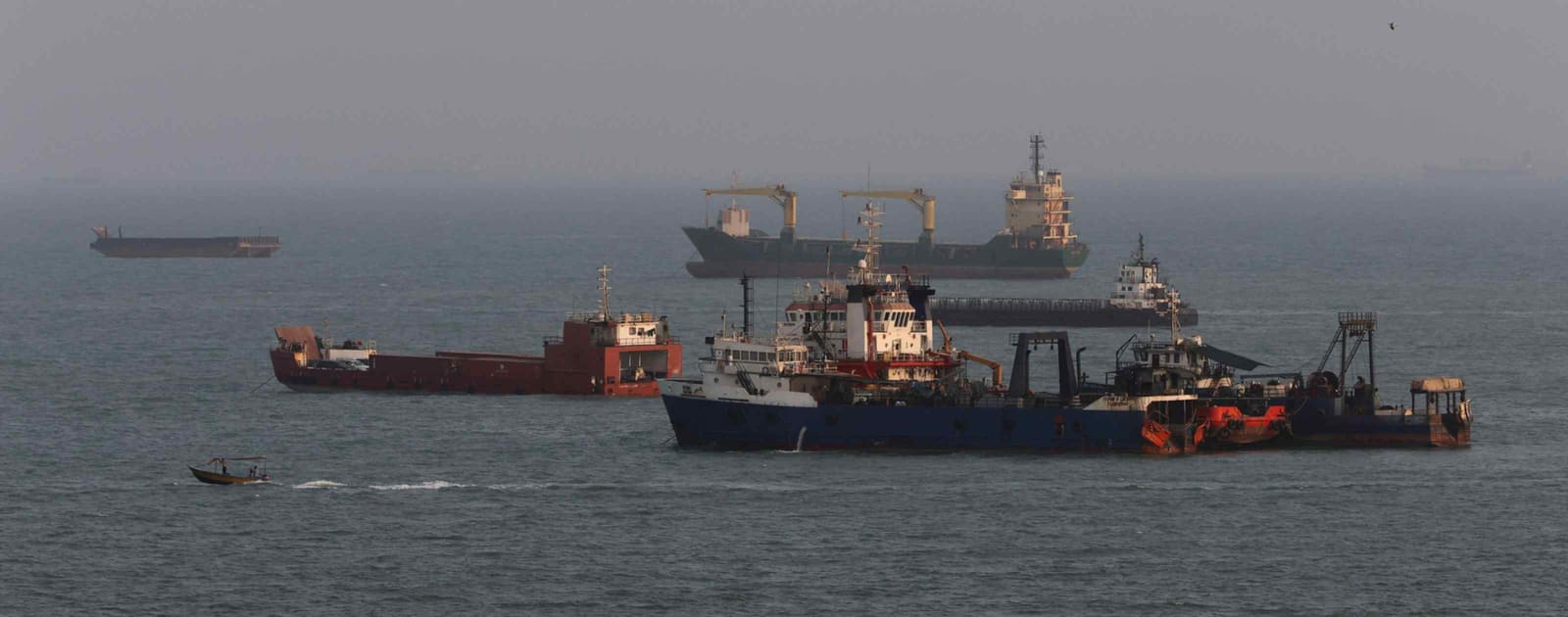
Japan is exploring a state-backed reinsurance mechanism to cover oil tankers operating in volatile Middle Eastern waters, a move designed to prevent supply disruptions as the Iran conflict escalates insurance costs and coverage restrictions.
The proposal would position the government as a last-resort insurer for domestic carriers, stepping in when private reinsurance markets withdraw or impose prohibitive terms on vessels transiting the Strait of Hormuz and surrounding corridors. Tokyo sources the majority of its crude imports from the Gulf, making uninterrupted tanker access a strategic imperative.
Private insurers have already begun repricing risk for ships entering the region. War-risk premiums have climbed sharply since hostilities intensified, and several international underwriters have capped their exposure or pulled coverage entirely for certain transit zones. Without a government safety net, Japanese refiners and trading houses face the prospect of either self-insuring vessels or curtailing imports from key suppliers in Saudi Arabia, the UAE, and Kuwait.
Why the Gulf Matters to Japan
The Strait of Hormuz remains the world's most critical oil chokepoint, handling roughly one-fifth of global seaborne petroleum. For Japan, which imports nearly 90 percent of its crude, any prolonged closure or insurance blackout would cascade through refineries, petrochemical complexes, and power generation.
The Iran war has already forced adjustments across Asia's energy map. Buyers are diversifying supply sources, lengthening shipping routes, and absorbing higher freight and insurance bills. Japan has accelerated talks with alternative suppliers in West Africa and the Americas, but Gulf barrels remain cheaper and logistically simpler for the country's refining hubs along the Pacific coast.
A state reinsurance program would mitigate the financial tail risk that private insurers are unwilling to shoulder. By offering a backstop, Tokyo aims to keep premiums within manageable bounds and ensure that tanker operators do not simply refuse Gulf voyages. The scheme would likely cover hull and machinery damage, cargo loss, and third-party liability arising from conflict-related incidents.
Precedent and Design
Japan has deployed similar mechanisms in the past. After the September 11 attacks, the government introduced temporary war-risk coverage for airlines when global reinsurers withdrew aviation terrorism cover. That program operated for several years before market capacity returned.
The tanker reinsurance proposal would function along comparable lines: domestic insurers would write primary policies, cede a portion to private reinsurers, and transfer the residual catastrophic risk to a government-backed pool. Premiums paid into the pool would accumulate reserves, though taxpayers would ultimately bear losses if claims exceeded collected funds.
Officials are still finalizing the scope. Key questions include whether the program would cover only Japanese-flagged vessels or extend to foreign-flagged ships chartered by Japanese entities, and whether it would apply exclusively to the Gulf or encompass other conflict zones such as the Red Sea and parts of the South China Sea.
Regional Ripple Effects
Tokyo's move could set a template for other Asian importers grappling with the same insurance squeeze. South Korea and India have faced parallel challenges securing affordable war-risk cover for their tanker fleets. If Japan demonstrates that a state backstop can stabilize costs without distorting the private market, regional peers may follow suit.
The initiative also underscores a broader shift in how governments are managing energy security. Direct stockpiling, once the dominant tool, is being supplemented by financial instruments, alternative supply agreements, and infrastructure investments that reduce single-point vulnerabilities. Japan has announced plans to build strategic reserves of petrochemical feedstocks such as naphtha, recognizing that the Iran war has exposed gaps beyond crude oil itself.
For insurers, the state program offers both relief and complexity. Domestic underwriters welcome the risk transfer, which allows them to maintain client relationships and premium income without catastrophic exposure. Yet the presence of a government layer may also compress margins and invite regulatory oversight on pricing and claims handling.
What Comes Next
No formal legislation has been tabled, and the timeline remains fluid. Japanese ministries are consulting with insurers, shipowners, and energy companies to calibrate the program's parameters. Industry observers expect a draft framework by year-end, with potential activation contingent on further deterioration in Gulf security or a sustained withdrawal of private reinsurance capacity.
The proposal arrives as Japan's energy procurement strategy undergoes its most significant recalibration in decades. Beyond insurance, Tokyo is accelerating LNG terminal expansions, investing in hydrogen supply chains, and deepening energy diplomacy with resource-rich nations across Africa and Latin America.
Whether the state reinsurance program becomes reality depends on how the Iran conflict evolves and whether private markets stabilize. For now, Tokyo is preparing the mechanism as insurance against insurance failure, a hedge that reflects both the fragility of Gulf shipping lanes and the strategic weight Japan places on uninterrupted crude flows.
RELATED STORIES
Citi and JPMorgan Back Japanese Financing for US Gas Plants
Cheng Wei-Lun · 3 min
Japan and US Stage Joint Intervention as Yen Slides Past ¥155
Aiko Nakamura · 3 min
Rakuten Shares Slide as Mobile Unit Losses Deepen Investor Concerns
Aiko Nakamura · 3 min
Renminbi Faces Upward Pressure After US-Japan Yen Intervention
Cheng Wei-Lun · 3 min
Spot something wrong? Email editor@briefasia.com. We log every correction publicly.