Asia · Trade
Asian Routes Become Conduit for Billions in Tariff Evasion
A US government report reveals how exporters use over 40 countries to circumvent China tariffs, with annual losses reaching into the hundreds of billions
KEY TAKEAWAYS
- ·A US report estimates illegal transshipment of China-origin goods through Asian and other third countries costs between $40 billion and $303 billion in lost tariff revenue annually.
- ·Over 40 countries serve as conduits, with Southeast Asian nations seeing sharp export increases in categories that previously came from China following 2018 Section 301 tariffs.
- ·Washington is expected to pursue closer customs cooperation with Asian authorities and tighter documentation requirements to verify manufacturing origin and curb evasion networks.
The Scale of the Problem
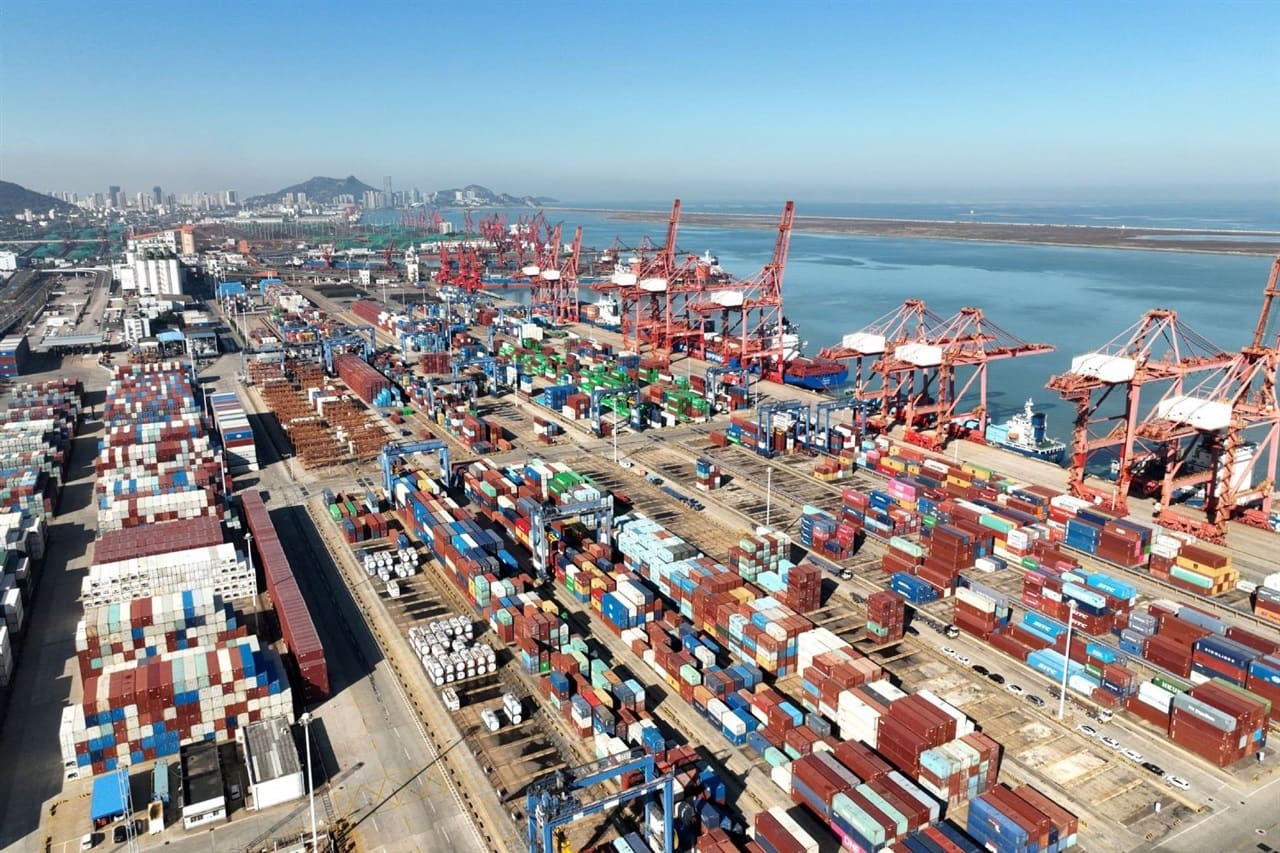
American trade enforcement officials are confronting a multibillion-dollar challenge: exporters are systematically rerouting China-manufactured goods through more than 40 third countries to circumvent US tariffs. A recent US government report quantifies the practice at between $40 billion and $303 billion annually, depending on analytical methodology.
The wide range reflects the difficulty of tracking illicit trade flows. Conservative estimates place the figure at $40 billion, while broader measures that account for statistical anomalies in bilateral trade data push the upper bound above $300 billion. Either figure represents a substantial drain on tariff revenue and undermines the policy goals behind the levies.
How the Networks Operate
The transshipment schemes emerged as a direct response to Section 301 tariffs that took effect in 2018. Those duties, which targeted hundreds of billions of dollars in Chinese imports, created powerful financial incentives to disguise country of origin.
The mechanics are straightforward: goods manufactured in China are shipped to an intermediary country, where paperwork is altered or minimal processing occurs before the products continue to the United States with false certificates of origin. In some cases, the goods never physically enter the transshipment hub; documentation alone is changed.
Asia hosts many of the key transit points. Vietnam, Thailand, Malaysia, and Cambodia have seen sharp increases in exports to the US in categories that previously came predominantly from China. Trade data shows mirror-image declines in Chinese exports and rises in Southeast Asian shipments across sectors including electronics, furniture, textiles, and light industrial goods.
Regional Implications
The pattern creates economic distortions across the region. Countries serving as transshipment hubs gain short-term export statistics that inflate their trade balances but do not reflect genuine manufacturing growth or value addition. This can trigger secondary scrutiny from US trade authorities and damage the reputation of legitimate exporters.
For Southeast Asian nations pursuing export-led growth strategies, the transshipment issue presents a policy dilemma. Governments benefit from increased port activity and logistics revenue, but risk becoming targets of US enforcement actions. Several countries have tightened rules of origin documentation in response to American pressure, though enforcement remains uneven.
The report does not name all 40 countries implicated, but trade flow analysis points to clusters in ASEAN, South Asia, and Central America. Smaller economies with limited customs capacity are particularly vulnerable to being used as paper trails.
Enforcement Challenges
US Customs and Border Protection has increased inspections and deployed data analytics to flag suspicious shipment patterns. Recent cases have resulted in penalty assessments running into the hundreds of millions of dollars against importers found to have misrepresented country of origin.
However, the volume of trade and the sophistication of transshipment networks make comprehensive enforcement difficult. Exporters adapt quickly, shifting routes and methods when one channel comes under scrutiny. The report characterizes the situation as a persistent cat-and-mouse game between regulators and those seeking to evade duties.
Industry groups in affected sectors have called for stronger penalties and more resources for trade enforcement. Some advocate for shifting the burden of proof to importers, requiring more rigorous documentation of manufacturing origin rather than relying on post-import audits.
What Comes Next
The report's release signals renewed attention to transshipment as a trade policy issue. Washington is expected to pursue closer cooperation with Asian customs authorities to trace shipment origins and verify manufacturing claims. Bilateral agreements on information sharing and joint inspections are likely areas of focus.
For businesses operating in Asia, the findings underscore the importance of transparent supply chain documentation. Companies that inadvertently source goods with falsified origin certificates face legal and financial risk, even if they were not directly involved in the evasion scheme.
The transshipment phenomenon also highlights the limits of tariff policy as a tool for reshaping trade flows. While duties can incentivize genuine shifts in manufacturing location, they also create arbitrage opportunities for those willing to manipulate documentation. Closing those loopholes requires not just higher penalties but deeper institutional capacity across the region's customs systems.
RELATED STORIES

Guocoland Malaysia Set to Exit Bursa Securities This Week
Priyanka V. Rao · 3 min

ComfortDelGro Pivots to Premium Transport as Taxi Profits Slide 40 Percent
Priyanka V. Rao · 3 min
Vietnam's Manufacturing Surge Raises Questions About Industrial Independence
Cheng Wei-Lun · 4 min

Vietnam Pushes Rare Earth Processing to Strengthen Supply Chain Autonomy
Cheng Wei-Lun · 3 min
Spot something wrong? Email editor@briefasia.com. We log every correction publicly.