Finance · Markets
Asian Equities Head for Best Week in Two Months as Rate Fears Ease
Cooling inflation data pushes back expectations for US monetary tightening, lifting regional markets despite lingering Middle East tensions
KEY TAKEAWAYS
- ·Asian stocks advanced Friday, on track for their strongest weekly performance in eight weeks as softer US inflation data reduced expectations for near-term Federal Reserve rate hikes.
- ·Market-implied probability of a September Fed rate increase fell below 15 percent from near 40 percent in late July, prompting foreign portfolio inflows to return to the region.
- ·Stalled Middle East ceasefire negotiations kept oil prices elevated above 85 dollars per barrel and prevented risk sentiment from fully recovering despite improved rate outlook.
Regional Rally Builds Momentum
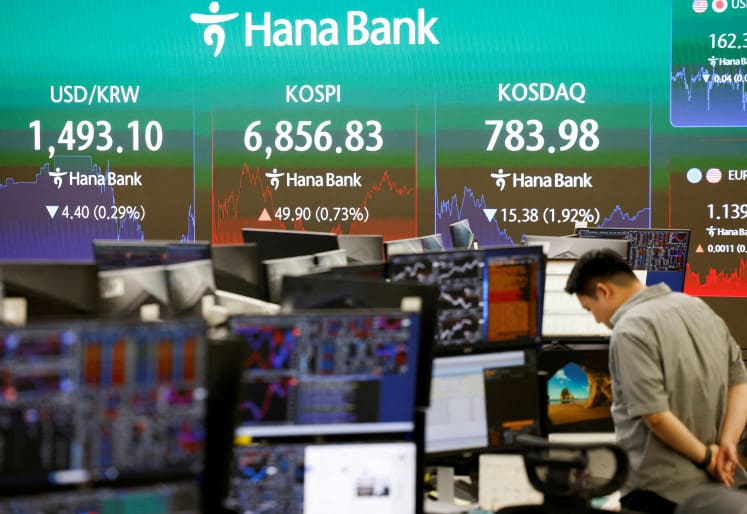
Asian equity markets advanced Friday morning, positioning for their most robust weekly advance in eight weeks as investors recalibrated expectations around US monetary policy. The shift followed recent inflation readings that came in below forecasts, reducing the urgency for the Federal Reserve to resume rate increases in the near term.
Markets across the region reflected the improved sentiment. Benchmark indices in Tokyo, Seoul, and Singapore posted gains through mid-morning trading, extending a rally that began earlier in the week after US consumer price data showed inflation moderating more than economists had anticipated.
The performance marks a notable reversal from the caution that dominated Asian trading rooms through late July and early August, when persistent price pressures in the United States kept alive speculation that the Federal Reserve might need to tighten policy further despite having held rates steady since March.
Inflation Data Reshapes Fed Outlook
The catalyst for the shift came from US inflation figures released earlier this week that showed both headline and core measures decelerating. The data prompted a wave of revisions among market strategists, with several major banks now pushing back their forecasts for the next potential rate move into the first quarter of 2027 or later.
Interest rate futures markets reflected the changed calculus. The probability of a rate increase at the Federal Reserve's September meeting, which had hovered near 40 percent in late July, dropped below 15 percent following the inflation release. Traders now assign less than even odds to any hike before year-end.
For Asian markets, the receding rate threat offers tangible relief. Higher US rates typically strengthen the dollar and draw capital away from emerging markets, pressuring currencies and equity valuations across the region. The pause in that dynamic has allowed portfolio managers to redeploy cash that had been sitting in money market funds.
Geopolitical Headwinds Persist
Yet the rally faces constraints. Diplomatic efforts to broker a ceasefire in the ongoing Middle East conflict have stalled in recent days, according to officials involved in the negotiations. The breakdown in talks has kept energy markets on edge and prevented risk appetite from fully recovering.
Oil prices remain elevated compared to their June levels, adding to input costs for manufacturers across Asia and complicating the inflation outlook for net importers in the region. Brent crude futures traded above 85 dollars per barrel Friday, reflecting the premium investors continue to assign to supply disruption risk.
The geopolitical uncertainty has kept volatility measures from falling back to their summer lows. Regional equity strategists note that while the improved rate picture supports valuations, the Middle East situation introduces a variable that could quickly reverse sentiment if the conflict escalates or disrupts shipping lanes through key chokepoints.
Capital Flows Return to the Region
Despite the geopolitical backdrop, foreign portfolio flows into Asian equities turned positive this week for the first time since mid-July. Data from regional exchanges showed net inflows across major markets, with technology and export-oriented sectors attracting the bulk of the capital.
The flow reversal suggests institutional investors are beginning to rebuild positions after trimming exposure during the summer volatility. Fund managers have cited attractive valuations in sectors tied to the global manufacturing cycle, particularly as supply chain pressures continue to ease and inventory levels normalize.
Currency markets also reflected the improved sentiment. The Korean won, Thai baht, and Indonesian rupiah all strengthened against the dollar this week, recovering some of the ground lost during the July selloff when Fed rate fears were at their peak.
Looking Ahead
The week's performance sets a more constructive tone heading into the final weeks of August, traditionally a quieter period for trading volumes. Market participants will focus on upcoming economic data releases from China, including industrial production and retail sales figures due next week, for signs of momentum in the region's largest economy.
The Federal Reserve's annual symposium in late August will also command attention, as investors parse commentary from policymakers for clues about the central bank's tolerance for the current inflation trajectory. Any hawkish signals could quickly erode the gains Asian markets have accumulated this week.
For now, the combination of easing rate pressure and still-resilient corporate earnings is providing support. Analysts note that while the rally may face periodic setbacks from geopolitical developments, the fundamental backdrop for Asian equities has improved materially compared to the uncertainty that prevailed just a month ago.
RELATED STORIES

Asian Markets Rise as Fed Hike Fears Ease, Oil Climbs on Hormuz Impasse
Priyanka V. Rao · 3 min

Asian Tech Stocks Surge as Weak US Jobs Data Dims Rate Hike Outlook
Cheng Wei-Lun · 4 min

Asian Markets Rise on Fed Rate Pause Bets While Oil Climbs on Strait of Hormuz Closure
Cheng Wei-Lun · 3 min
Asian Markets Show Tentative Recovery After Tech Selloff
Cheng Wei-Lun · 3 min
Spot something wrong? Email editor@briefasia.com. We log every correction publicly.