Technology · Policy
Seoul Semiconductor Secures Indian Court Ban on Patent-Infringing LED Products
Delhi High Court's permanent injunction against Ornate Agencies marks the latest enforcement win for the Korean chipmaker's opto-semiconductor IP across Asia
KEY TAKEAWAYS
- ·Seoul Semiconductor obtained a permanent injunction from Delhi High Court preventing Ornate Agencies Private Limited from selling LED products that infringe its opto-semiconductor patents.
- ·The court also issued a personal restraint order against Ornate's managing director, blocking individual involvement in any infringing activities.
- ·The ruling marks Seoul Semiconductor's third major patent enforcement win across Asian jurisdictions as the Korean chipmaker defends its LED technology portfolio.
Korean Chipmaker Expands Patent Enforcement Footprint
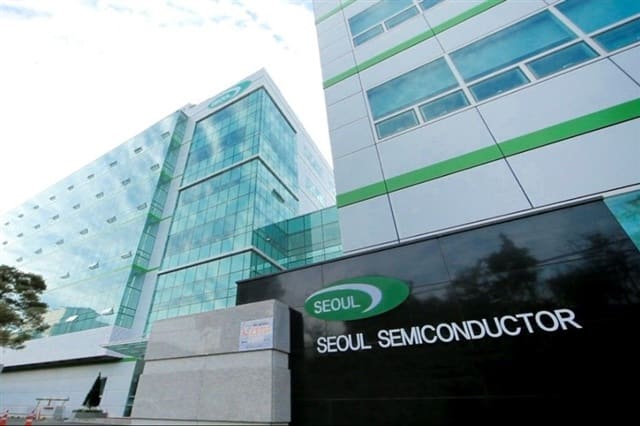
Seoul Semiconductor and Seoul Viosys have obtained a permanent court order in India blocking a local distributor from selling LED lighting products that violate the Korean companies' opto-semiconductor patents. The Delhi High Court issued the injunction against Ornate Agencies Private Limited, a New Delhi-based lighting distributor, according to an August 12 statement from the two affiliated Korean chipmakers.
The ruling bars Ornate Agencies from manufacturing, importing, or selling any products that infringe on Seoul Semiconductor's patented technologies. In a separate order, the court also restrained Ornate's managing director personally from participating in any activities related to the patent infringement, a measure that signals the court's intent to prevent circumvention through corporate restructuring or shell entities.
Third Regional Victory in Patent Campaign
The Indian judgment represents Seoul Semiconductor's third significant legal win in Asia's LED supply chain enforcement drive. The company has pursued similar patent litigation across multiple jurisdictions in recent years, targeting distributors and manufacturers that incorporate its proprietary opto-semiconductor technologies without licensing agreements.
India's lighting market has grown rapidly as government-backed LED adoption programs accelerate across commercial and residential segments. The Bureau of Energy Efficiency's push to replace incandescent and CFL bulbs with LED alternatives has created a fragmented supply chain, with hundreds of small and mid-sized distributors sourcing components from both licensed and unlicensed suppliers. Seoul Semiconductor's legal action reflects a broader strategy by established chipmakers to enforce IP rights in fast-growing Asian markets where patent enforcement has historically been inconsistent.
Opto-Semiconductor IP at Stake
The patents at the center of the case cover core technologies in LED chip architecture and phosphor coating processes used to generate white light from blue LEDs. These technologies are foundational to modern solid-state lighting and are widely licensed by major lighting brands globally. Seoul Semiconductor has built a portfolio of over 14,000 patents worldwide, many focused on LED efficiency, color rendering, and thermal management.
Ornate Agencies, which operates primarily in northern India, distributes a range of lighting fixtures and components to commercial builders and electrical contractors. The company has not issued a public response to the court's decision, and it remains unclear whether it will appeal the permanent injunction or seek a licensing arrangement with Seoul Semiconductor.
Implications for India's Lighting Supply Chain
The Delhi High Court's willingness to issue both a corporate injunction and a personal restraint on the managing director suggests Indian courts are adopting stricter enforcement mechanisms in patent disputes involving foreign IP holders. This approach aligns with India's recent efforts to strengthen intellectual property protections as part of its push to attract foreign investment in electronics manufacturing.
For distributors and manufacturers in India's LED sector, the ruling underscores the importance of verifying the IP provenance of components, particularly when sourcing from second- or third-tier suppliers in China and Southeast Asia. Companies that fail to conduct due diligence on patent clearance face not only injunctions but potential damages claims and personal liability for executives.
Seoul Semiconductor's enforcement campaign is likely to continue as the company seeks to capture licensing revenue from the growing Asian lighting market. The firm has historically been aggressive in defending its patents, filing suits in the United States, Europe, and multiple Asian jurisdictions over the past decade. The Indian victory, combined with earlier wins in other regional courts, gives the company a stronger negotiating position with unlicensed manufacturers and distributors across South and Southeast Asia.
RELATED STORIES

Yanolja Expands AI Concierge Platform to Global Hotels After India Deployment
Cheng Wei-Lun · 3 min
Samsung Eyes Vietnam for Legacy Memory Backend as HBM Demand Tightens Capacity
Cheng Wei-Lun · 3 min

South Korea Commits $880 Billion to AI and Chip Infrastructure
Jun-ho Seo · 3 min

US Expert Warns Seoul's Tech Regulation May Strain Bilateral Alliance
Cheng Wei-Lun · 3 min
Spot something wrong? Email editor@briefasia.com. We log every correction publicly.