Finance · Markets
Asian Markets Rise on Fed Rate Pause Bets While Oil Climbs on Strait of Hormuz Closure
A softer US jobs print eased rate hike fears and lifted equities across the region, but unresolved Gulf shipping tensions pushed Brent crude above $84 a barrel.
KEY TAKEAWAYS
- ·Asian equities rose Monday with Japan's Nikkei up 0.6 per cent and regional benchmarks gaining 0.3 to 0.5 per cent after softer US jobs data lowered Fed rate hike odds to 44 per cent.
- ·Brent crude climbed 0.9 per cent to $84.32 a barrel as the Strait of Hormuz remains mostly closed, with Iran linking full reopening to US meeting unspecified conditions.
- ·S&P 500 earnings per share jumped 30 per cent year-on-year with a 76 per cent beat rate, while Wednesday's US July inflation report will test whether Fed rate pause expectations hold.
Equities Rally on Rate Relief
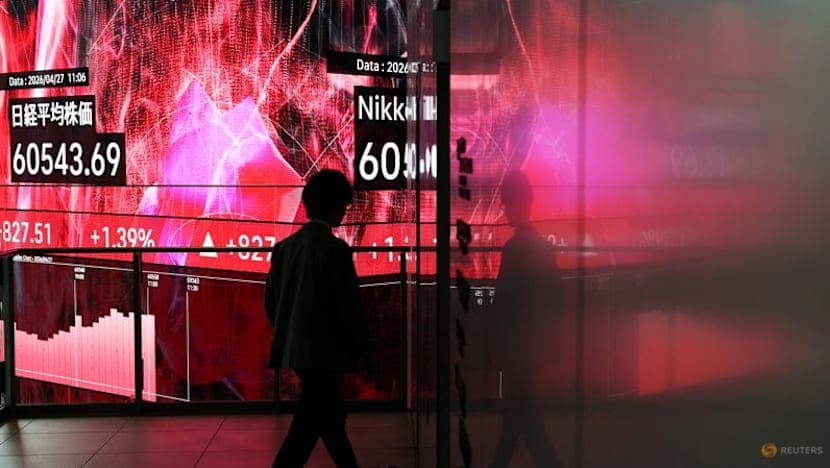
Asian equities climbed on Monday as investors digested weaker-than-expected US employment figures that lowered the probability of an imminent Federal Reserve rate increase. Japan's Nikkei advanced 0.6 per cent, South Korea's benchmark added 0.5 per cent, and MSCI's broadest Asia-Pacific index outside Japan rose 0.3 per cent. The moves followed Wall Street's record close on Friday, when both the S&P 500 and Nasdaq reached new highs amid a rally in technology shares.
The shift in sentiment followed a soft US jobs report that prompted futures markets to scale back expectations of a September Fed rate hike. The probability of a move next month fell to around 44 per cent from 67 per cent a week earlier. Ten-year Treasury yields edged up to 4.673 per cent as the market prepared for $125 billion in new issuance this week, though yields remain below recent peaks.
Oil Rises on Gulf Shipping Standoff
Energy markets moved in the opposite direction. Brent crude rose 0.9 per cent to $84.32 a barrel, while West Texas Intermediate climbed 0.7 per cent to $78.74 a barrel. The gains reflected ongoing disruption in the Strait of Hormuz, where shipping traffic remains severely restricted.
Iran announced on Sunday that negotiations with Oman on new shipping lanes in the strait are nearing completion, but reiterated that full reopening depends on the United States meeting additional conditions. The waterway, which handles roughly a fifth of global oil trade, has seen only minimal tanker traffic in recent weeks.
The resurgence in fuel costs adds pressure ahead of Wednesday's US consumer price index release for July. Analysts expect the headline figure to rise 0.1 per cent and the core measure to increase 0.2 per cent. Any upside surprise could revive speculation about Fed tightening, particularly after two months of falling core goods prices.
Corporate Earnings Drive Optimism
Equity strength has been underpinned by robust corporate results. With nearly 90 per cent of S&P 500 companies having reported, earnings per share are up 30 per cent year-on-year after excluding investment gains at Alphabet and Amazon, according to BofA. The 76 per cent earnings beat rate matches the strongest level since 2021.
Artificial intelligence-related companies have been the standout performers. Median earnings growth for AI-linked stocks reached 28 per cent, more than double the 12 per cent growth for non-AI names. However, consensus forecasts project AI earnings growth to moderate to 16 per cent in the next quarter.
This week's earnings calendar is lighter but includes semiconductor equipment maker Applied Materials, networking group Cisco, and cloud infrastructure provider CoreWeave. European futures opened slightly lower, with EURO STOXX 50 and DAX futures down 0.1 per cent and FTSE futures off 0.4 per cent.
Currency and Commodity Moves
The dollar remained flat against the yen at 157.85, with investors cautious about pushing the Japanese currency lower amid intervention risk. The euro traded near a seven-week high at $1.1557, buoyed by the dollar's broader retreat as yields declined and risk appetite improved.
Gold held at $4,342 an ounce after rallying more than 7 per cent last week. The precious metal benefited from lower Treasury yields, which reduce the opportunity cost of holding non-interest-bearing assets.
What's Ahead
Attention now turns to Wednesday's inflation data, which will provide critical guidance on the Fed's next move. A reading in line with expectations could cement the case for a pause in September, while a hotter print might reignite rate hike speculation. Meanwhile, the Strait of Hormuz situation remains fluid, with any breakthrough in negotiations likely to trigger sharp moves in energy markets.
Asia's rally reflects a delicate balance: equities are pricing in a soft landing scenario where inflation cools without triggering recession, but geopolitical risks in the Gulf and uncertain monetary policy in Washington continue to loom over the outlook.
RELATED STORIES

Asian Markets Rise as Fed Hike Fears Ease, Oil Climbs on Hormuz Impasse
Priyanka V. Rao · 3 min

Asian Tech Stocks Surge as Weak US Jobs Data Dims Rate Hike Outlook
Cheng Wei-Lun · 4 min
Asian Markets Show Tentative Recovery After Tech Selloff
Cheng Wei-Lun · 3 min
Asian Markets Swing as Fed Rate Standstill Fuels Investor Uncertainty
Cheng Wei-Lun · 3 min
Spot something wrong? Email editor@briefasia.com. We log every correction publicly.