Asia · Politics
Philippines Infrastructure Delays Stem From Short-Term Budgeting Cycles
Economist warns that shifting priorities between administrations and unprogrammed funding have stalled major railway and transport projects for years
KEY TAKEAWAYS
- ·The Philippines has delayed major railway projects by placing them in unprogrammed budget lines that depend on surplus revenue or foreign loans, according to University of the Philippines economist JC Punongbayan.
- ·Presidents who propose large infrastructure in their final years hand implementation to successors with different priorities, creating a cycle of false starts every electoral term.
- ·The Marcos administration proposed 119.98 billion pesos in unprogrammed funds for 2027, the lowest nominal figure in recent memory, leaving less room for multi-year transport commitments.
The Unprogrammed-Funds Trap
The Philippines continues to push back completion dates for large infrastructure projects because successive governments park them in standby budget lines rather than locking in multi-year appropriations, according to JC Punongbayan, an associate professor at the University of the Philippines School of Economics. Railway projects have been a recurring casualty: funding appears only when surplus revenue materializes or when foreign loans close, leaving construction timelines at the mercy of fiscal performance.
Unprogrammed appropriations can be drawn down only if the government collects more tax than forecast or secures additional foreign financing. The Marcos administration has proposed 119.98 billion Philippine pesos in unprogrammed funds for 2027, the lowest nominal figure in recent memory. That shrinking cushion leaves even less room for big-ticket transport projects that require steady capital over a decade or longer.
Why Administrations Avoid Multi-Year Commitments
Punongbayan explained that presidents who propose large infrastructure schemes in their fifth or sixth year in office hand implementation to their successors. If the incoming administration has different priorities, those projects risk being shelved or redesigned from scratch. The pattern repeats every electoral cycle, turning what should be ten- or twenty-year blueprints into a series of false starts.
Programmed appropriations, by contrast, go to flood-control works, road maintenance, and social transfers that deliver visible results within a single term. Those items win votes; half-finished rail lines do not. The incentive structure steers budget planners toward short-horizon spending, even when the country's logistics bottlenecks demand the opposite.
The Cost of Switching Plans
The economist argued that the Philippines has drafted numerous long-term strategies but lacks the institutional discipline to see them through. Each new president rebrands the national development plan, reorders the project pipeline, and resets procurement timelines. Construction firms and multilateral lenders adjust to the churn, but the economy pays the price in forgone connectivity and productivity.
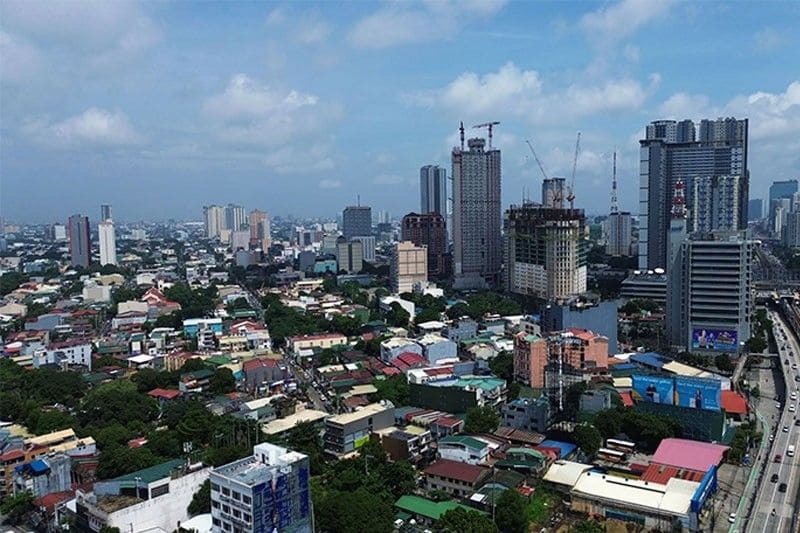
Metro Manila's congestion and the slow build-out of inter-island freight corridors illustrate the problem. Projects that broke ground in one administration stall when the next leadership questions their commercial viability or prefers a different alignment. By the time political consensus re-emerges, costs have escalated and traffic has worsened.
What a Ten-Year Horizon Would Require
Punongbayan emphasized that solving the infrastructure deficit demands thinking in ten-, twenty-, and thirty-year horizons. That requires visionary leadership willing to bind future budgets and resist the temptation to redirect capital toward programs that yield faster political returns. It also requires legislative buy-in: Congress would need to ring-fence infrastructure appropriations across multiple budget cycles, insulating them from the annual scramble for pork and patronage.
Regional neighbors offer contrasts. Thailand's Eastern Economic Corridor and Indonesia's toll-road concessions enjoy statutory protection that survives cabinet reshuffles. Vietnam's public-investment law mandates multi-year capital plans that local governments must honor. The Philippines has experimented with similar frameworks but has not enforced them consistently enough to change builder or lender behavior.
Implications for Growth
Delayed infrastructure openings depress gross domestic product in two ways. First, they postpone the direct demand boost from construction wages and equipment orders. Second, they push back the moment when completed roads, ports, and railways reduce logistics costs for exporters and manufacturers. The longer the gap between groundbreaking and ribbon-cutting, the longer the Philippine economy operates below its transport-enabled potential.
International investors cite infrastructure gaps as a persistent concern in site-selection decisions. When a factory requires reliable freight rail to a deepwater port and that rail line remains five years behind schedule, the investor looks to Thailand or Vietnam instead. The cumulative effect is a slower pace of foreign-direct-investment inflows and a narrower industrial base than the country's demographics and location would otherwise support.
The 2027 budget debate will test whether the Marcos administration can break the cycle. With unprogrammed funds at a historic low, any major project will need to secure a line in the programmed appropriations and defend it through the congressional mark-up process. Whether that happens depends on whether legislators and the executive can agree that the political cost of incomplete projects outweighs the short-term appeal of reallocating capital to quicker wins.
RELATED STORIES

Philippines Faces Uphill Battle to Meet 2027 Tax Revenue Targets
Priyanka V. Rao · 3 min
Philippines Clears 394 Power Projects in Twelve Months Under New Energy Regulator
Priyanka V. Rao · 4 min

San Miguel Brings Urban Farming Model to Visayas After Luzon Success
Mariel D. Santos · 3 min
Philippines Milk Output Jumps 21% as Dairy Herd Expands
Mariel D. Santos · 3 min
Spot something wrong? Email editor@briefasia.com. We log every correction publicly.