Sustainability · Energy
Oil Markets Hold Steady as Lebanon Clashes and Hormuz Threats Complicate US-Iran Talks
Middle Eastern crude exports continue above 4 million barrels daily despite escalating regional violence and stalled Washington-Tehran negotiations
KEY TAKEAWAYS
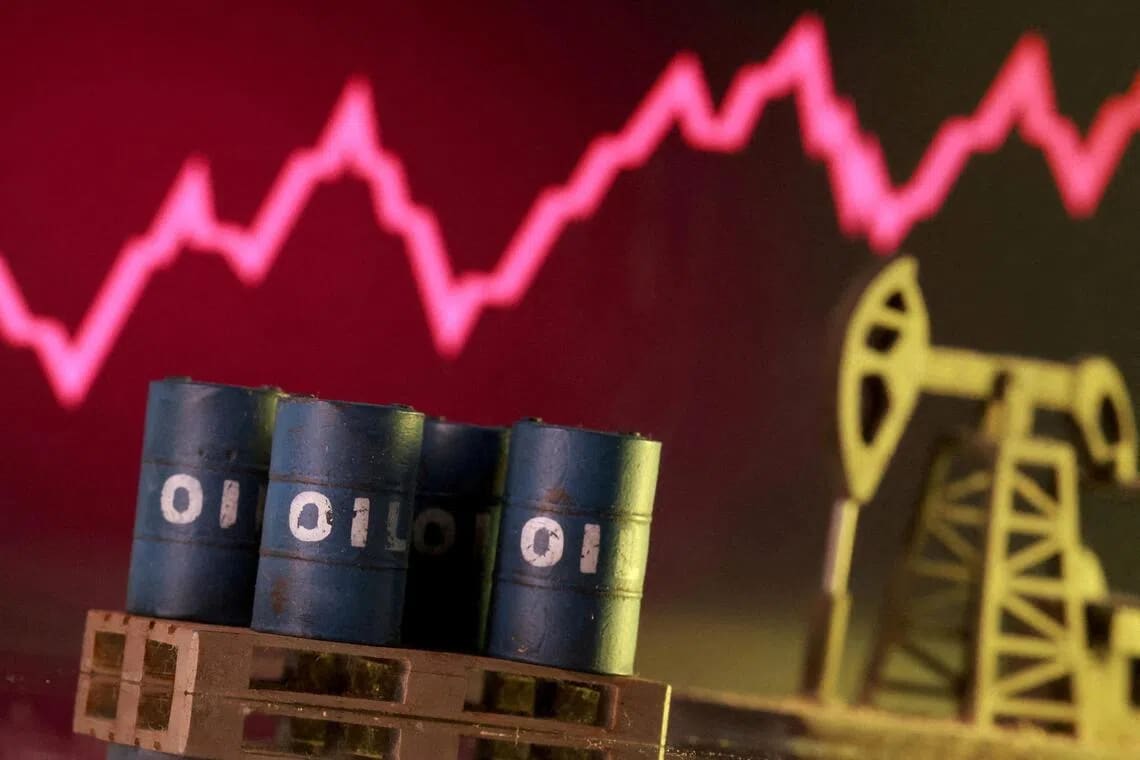
- ·Brent crude held below USD 89 per barrel after a 6 percent weekly gain, while WTI traded near USD 83 amid stalled US-Iran talks and renewed Lebanon violence.
- ·Middle Eastern producers continue exporting more than 4 million barrels daily through the Persian Gulf despite attacks on vessels in the Strait of Hormuz.
- ·Asian refiners are accelerating crude purchases for November delivery to secure supplies as attacks on shipping chokepoints threaten global oil flows.
Prices Stabilize After Sharp Weekly Gains
Oil prices held near recent levels as renewed violence in Lebanon and continued attacks on shipping in the Strait of Hormuz raised questions about whether Washington and Tehran can reach a deal to end their conflict. Brent crude traded just below USD 89 per barrel on August 17, following a 6 percent climb the previous week. West Texas Intermediate hovered around USD 83.
The market has gained more than 40 percent in 2026, with the US-Iran confrontation now entering its sixth month. Traders are weighing competing signals: persistent supply disruptions against ongoing crude exports from the Persian Gulf, and diplomatic efforts against escalating regional violence.
Lebanon Sees Deadliest Fighting in Months
August 16 marked the deadliest day of fighting in Lebanon in months, as Israel conducted strikes against Hezbollah, the Iran-backed group. The escalation complicates broader negotiations between Washington and Tehran, which appear to have stalled. President Donald Trump indicated his administration plans to impose additional economic pressure on Iran and said he does not prioritize resolving the conflict before November's midterm elections.
Treasury Secretary Scott Bessent said new sanctions could be announced this week. The measures are expected to target Iran's economy more aggressively, adding another layer of uncertainty to oil markets already grappling with supply concerns.
Hormuz Attacks Continue, Yet Crude Flows Persist
Late last week, multiple vessels came under attack in the Strait of Hormuz, including ships affiliated with Abu Dhabi National Oil Company. Despite the violence, Middle Eastern producers are maintaining high crude export volumes through the Persian Gulf. Flows are running above 4 million barrels per day, exceeding some market estimates, according to people familiar with the shipments.
The waterway historically handled about one-fifth of global oil and liquefied natural gas flows before the current conflict. Iran's Army Commander-in-Chief Amir Hatami said on August 16 that the strait is a "God-given geopolitical asset for the Iranian nation and this leverage will never return to its former state." He added that Iran would protect this strategic position "with all our power."
Iran and Oman have been moving toward an agreement on managing the strait, but the United States is not involved in those discussions. Any arrangement is unlikely to gain American approval without restoring free passage through the chokepoint.
Asian Refiners Rush to Secure Supplies
The threat to multiple shipping routes, including the Red Sea and Black Sea, has prompted refiners in Asia to accelerate their crude purchasing. Processors in India are seeking cargoes for delivery as far out as November, locking in barrels earlier than they typically would, according to people familiar with the transactions.
The strategy reflects concern that supply disruptions could worsen or that prices might climb further. Asian demand remains robust, and refiners are prioritizing supply security over spot market flexibility.
Russia Faces Fuel Shortages After Refinery Strikes
Separately, Russia is contending with fuel shortages following renewed Ukrainian attacks on oil refineries. The strikes, which have occurred almost daily in recent weeks, have forced gasoline rationing in at least two Russian regions. Moscow has also imposed limits on refined product exports to ensure domestic supply.
The shortages add another dimension to global oil market dynamics. While Russian crude continues to find buyers, the refinery disruptions reduce the availability of gasoline and diesel, tightening product markets and potentially supporting prices for both crude and refined fuels.
Outlook Remains Clouded by Geopolitical Uncertainty
The combination of Middle Eastern conflict, shipping threats, and refinery disruptions creates a complex picture for oil markets. While prices have surged this year, the persistence of crude exports from the Gulf has prevented a sharper spike. How long producers can maintain those flows amid escalating attacks remains an open question.
Diplomatic efforts between Iran and regional players continue, but without US participation, any agreements are unlikely to resolve the core issues driving market volatility. For now, oil markets are caught between resilient supply and mounting geopolitical risk, with traders watching developments in Lebanon, Hormuz, and Washington closely.
RELATED STORIES
Crude Prices Climb as Iran Tightens Grip on Hormuz Transit
Priyanka V. Rao · 3 min
Brent Crude Crosses $100 as Red Sea Tanker Strikes Add New Chokepoint Risk
Priyanka V. Rao · 3 min
US Naval Blockade Threat Lifts Oil Prices Amid Iran Strait Tensions
Priyanka V. Rao · 3 min
Oil Surges Past $88 as Tanker Attacks Choke Hormuz Strait
Priyanka V. Rao · 3 min
Spot something wrong? Email editor@briefasia.com. We log every correction publicly.