Sustainability · Energy
US Naval Blockade Threat Lifts Oil Prices Amid Iran Strait Tensions
Brent crude edges higher as Washington signals indefinite pressure campaign, offsetting weak demand forecasts from OPEC and IEA
KEY TAKEAWAYS
- ·Brent crude rose 0.1 per cent to $87.16 per barrel after the US threatened to maintain a naval blockade of Iran indefinitely, reviving supply concerns.
- ·The Strait of Hormuz carried 20 per cent of global oil before the conflict, making any prolonged closure a systemic risk for Asian refiners and importers.
- ·Weak demand forecasts from OPEC and the IEA, plus a record US inventory build, are capping price gains despite geopolitical risk premiums.
Supply Risk Returns to the Forefront
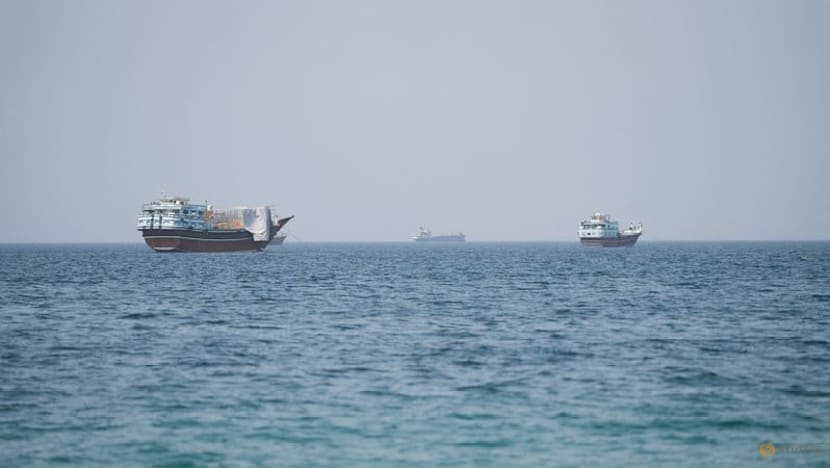
Oil prices climbed Friday morning after Washington signaled it would maintain naval pressure on Iran for an extended period, reigniting concerns about crude flows through one of the world's most critical energy chokepoints. Brent futures gained 9 cents to $87.16 per barrel by 0130 GMT, while West Texas Intermediate added 4 cents to $81.29.
The modest uptick followed a sharp 2 per cent decline in the previous session, snapping a multi-day rally for both benchmarks. Despite Thursday's pullback, Brent and WTI remained on track for weekly gains of approximately 4 per cent, underscoring the market's sensitivity to Middle East supply disruptions.
US Treasury Secretary Scott Bessent told Newsmax on Thursday that the administration could sustain its blockade indefinitely and would escalate economic measures against Tehran. "Watch this space for more announcements coming next week because we are going to apply measures like have never been seen in the history of economic isolation on a country," Bessent said.
The announcement comes as ceasefire negotiations between Washington and Tehran remain stalled, with Iran continuing to restrict vessel traffic through the Strait of Hormuz. The narrow waterway carried 20 per cent of global oil supply before the current conflict began, making any prolonged disruption a systemic risk to Asian refiners and energy importers across the region.
Strait Remains Flashpoint
Iran's newly appointed Basij paramilitary commander Hossein Taeb reaffirmed Tehran's control over the strait, according to the semi-official Fars news agency. The statement underscores Iran's willingness to use its geographic position as leverage in the standoff with Washington.
Late Thursday, two tankers operated by the Abu Dhabi National Oil Company were attacked while transiting the strait, according to UAE state media. The Emirati government attributed the incident to Iranian forces, marking the latest in a series of confrontations that have roiled energy markets since the blockade began.
For Asia's major oil importers, including China, India, Japan, and South Korea, the Strait of Hormuz is a lifeline. Roughly one-fifth of the region's crude imports pass through the waterway, and any extended closure would force buyers to source barrels from the Atlantic Basin at significantly higher freight costs or tap strategic reserves.
Demand Headwinds Persist
While supply risks supported prices this week, the rally faced headwinds from weaker consumption forecasts. Both OPEC and the International Energy Agency revised down their demand growth projections for 2026, citing slower economic activity in China and persistent inflation in Europe and North America.
US crude inventories surged by the largest weekly volume in more than three and a half years, according to government data released Wednesday. The build reflects softer domestic consumption and rising output from shale producers, adding to the demand-side concerns weighing on sentiment.
Tim Waterer, chief market analyst at KCM, described the dynamic as a tug-of-war between geopolitical risk and macroeconomic fundamentals. "The result is a market that remains supported but struggles to break meaningfully higher while these opposing pressures remain in place," he noted.
The tension is particularly acute for Asian buyers, who must balance the immediate risk of supply shortages against the medium-term prospect of a demand slowdown. Refiners in Singapore and South Korea have begun locking in forward contracts at elevated prices, while Indian state-owned importers have increased spot purchases from the Middle East Gulf to build buffer stocks.
What Comes Next
The White House has signaled that additional sanctions and enforcement measures will be announced in the coming week, suggesting the economic campaign against Iran will intensify before any diplomatic breakthrough. President Donald Trump faces mounting domestic pressure to resolve the conflict, which has driven gasoline prices higher and strained household budgets ahead of the midterm election cycle.
For now, the market remains in a holding pattern, with traders pricing in a risk premium for potential supply disruptions while hedging against the possibility of weaker demand. The next catalyst will likely come from either a material escalation in the Strait of Hormuz or fresh economic data from China, the world's largest crude importer.
Asian energy security, long a quiet undercurrent in global oil markets, has moved to center stage. How long the US maintains its blockade, and whether Tehran escalates or negotiates, will determine whether the current price rally extends or fades.
RELATED STORIES
US Naval Blockade Threat Pushes Oil Above $87 as Iran Tightens Strait Control
Priyanka V. Rao · 3 min
Crude Prices Climb as Iran Tightens Grip on Hormuz Transit
Priyanka V. Rao · 3 min
Brent Crude Jumps 23 Percent as Iran Blocks Hormuz Exit
Priyanka V. Rao · 3 min
Oil Climbs on US Blockade Threat to Iran as Strait of Hormuz Traffic Slows
Priyanka V. Rao · 3 min
Spot something wrong? Email editor@briefasia.com. We log every correction publicly.