Asia · Trade
Brent Crude Jumps 23 Percent as Iran Blocks Hormuz Exit
Tehran claims it stopped six vessels at the strategic choke point, sending oil markets higher amid escalating tensions with Washington and attacks on Mediterranean ports.
KEY TAKEAWAYS
- ·Iran claimed it stopped two vessels and turned back four others at the Strait of Hormuz, pushing Brent crude futures up more than 1 percent Friday and ending July with a 23 percent gain.
- ·U.S. forces continue blockading Iranian oil exports while Tehran restricts most shipping through the strait, which normally handles one-fifth of global energy flows.
- ·A drone strike at Egypt's Damietta port and Houthi threats to Red Sea routes are forcing Gulf exporters to rely heavily on the Suez corridor as alternative routes narrow.
Strait Closure Pushes Oil Higher
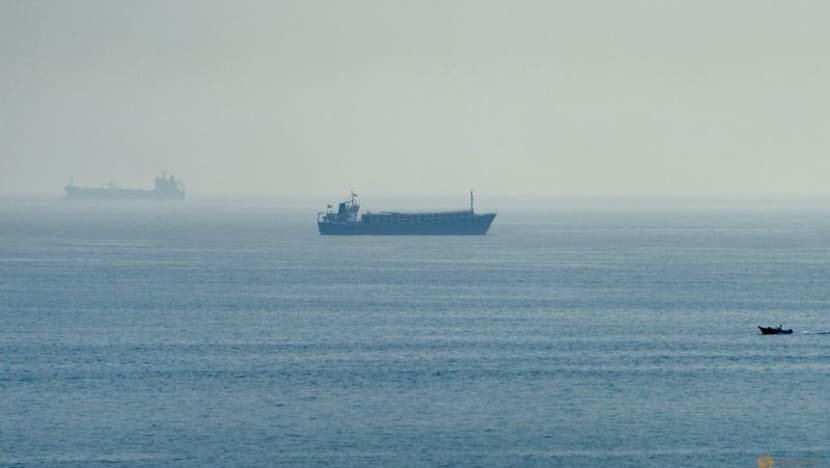
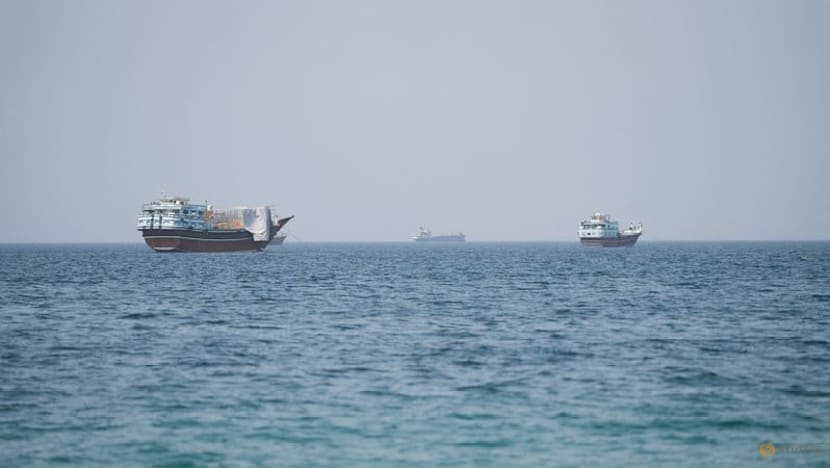
Oil prices climbed Friday after Iran announced it had stopped two vessels attempting to exit the Strait of Hormuz, with four additional tankers reportedly turning back. Brent crude futures rose more than 1 percent on the day and were poised to close July up 23 percent, according to data from market intelligence providers.
The Iranian claims could not be independently verified. Shipping data from Kpler showed two large oil tankers loaded from the Gulf successfully transited the strait, along with two commodities vessels, though the data does not capture ships operating with transponders switched off.
The strait, a narrow passage between Iran and Oman, typically handles roughly one-fifth of global energy shipments. Tehran has restricted most traffic through the waterway since the start of a five-month conflict, while Houthi forces in Yemen have threatened the Bab el-Mandeb strait near the Red Sea's southern entrance, creating dual pressure points on energy flows.
Washington Maintains Blockade
U.S. Central Command confirmed Thursday that American forces continue to blockade Iranian oil exports via the Gulf and completed what it described as a heavy wave of strikes. Joint U.S.-Saudi operations targeted Iranian-aligned forces in Iraq earlier in the week, marking a sharp escalation.
President Donald Trump told Fox News on Friday the conflict was proceeding favorably. "All you can do is keep winning, then eventually something will happen," he said, without elaborating.
Iran's army said Friday it struck U.S. military facilities in Kuwait and Bahrain in retaliation for American attacks, citing a strike on a residence on Qeshm island near the Strait of Hormuz. Kuwait's military reported destroying incoming drones, with debris causing minor damage but no casualties. Bahrain has not commented.
Transit Authority Cites U.S. Aggression
A body established by Iran to manage Strait of Hormuz crossings said Friday that passage remains impossible due to "continued aggressive actions by U.S. military forces in the region," according to Iranian media. The Persian Gulf Strait Authority indicated it would review requests and issue transit permits gradually once stability returns.
Some vessels have negotiated individual passage arrangements with Tehran, a move that has drawn criticism from Washington. Two other shipping attempts reported earlier in the week similarly lacked independent corroboration.
Mediterranean Strike Adds Uncertainty
An unidentified drone struck two vessels Wednesday at Egypt's Damietta port on the Mediterranean coast, more than 160 kilometers west of the Suez Canal by road. Egypt's cabinet confirmed the incident Thursday, saying a fire broke out on both ships. No group has claimed responsibility.
Iranian Foreign Minister Abbas Araqchi denied Iranian involvement and wrote on social media that Egypt is "an important friend and partner in the region." He suggested the attack could be a false-flag operation designed to destabilize the area. Israel's prime minister's office did not respond to requests for comment on the allegation.
The Damietta strike raises concerns about the security of alternative routes for Gulf energy exports. The Suez Canal and Sumed pipeline have remained safe northbound corridors for Saudi crude traveling via the Red Sea, even as Iran and Houthi forces have targeted tankers at the Hormuz and Bab el-Mandeb choke points.
Houthis Open New Front
Iran-aligned Houthis declared a maritime embargo against Saudi Arabia on July 20, opening another dimension in the conflict. Recent attacks prompted London's marine insurance market Thursday to expand its high-risk zone in the Red Sea to cover additional coastline near Saudi ports.
Saudi Arabia unveiled plans Thursday for a multinational maritime defense coalition to protect international shipping and energy supply routes in the Red Sea. A growing volume of Saudi oil and other cargo has been rerouted north through the Red Sea toward the Suez Canal and SUMED pipeline, according to Kpler data. For Asian buyers, this detour means longer voyages around Africa rather than the shorter route south through the Gulf of Aden.
Omani Mediation Effort
Oman has presented Iran with a proposal backed by Gulf states to manage the Strait of Hormuz, including the collection of voluntary transit fees, people familiar with the matter said. While Iran has publicly rejected the plan, foreign ministry spokesperson Esmaeil Baghaei told semi-official news agency ILNA that talks with Oman over the strait are ongoing.
Economists and analysts polled recently expect oil prices to continue rising this year as supply disruptions compound. The dual threat to Hormuz and Red Sea routes leaves few alternatives for energy exporters in the Gulf, with the Suez corridor now carrying heightened strategic importance despite the uncertainty introduced by the Damietta incident.
RELATED STORIES
Tehran's New Conditions Push Brent Back Above $84
Priyanka V. Rao · 4 min
Crude Prices Climb as Iran Tightens Grip on Hormuz Transit
Priyanka V. Rao · 3 min
Brent Crude Climbs Past $84 as Hormuz Talks Stall on US Compensation Demand
Priyanka V. Rao · 4 min
US Naval Blockade Threat Lifts Oil Prices Amid Iran Strait Tensions
Priyanka V. Rao · 3 min
Spot something wrong? Email editor@briefasia.com. We log every correction publicly.