Technology · Products
Samsung and SK Hynix Turn Down KEPCO's Multibillion-Dollar Prepayment Demand
South Korea's state utility sought 25 trillion won upfront as it struggles with mounting debt, but the chipmakers declined the unusual five-year advance payment scheme.
KEY TAKEAWAYS
- ·Samsung Electronics and SK hynix rejected a proposal from KEPCO to prepay 25 trillion won in electricity bills covering five years of consumption.
- ·The request reflects KEPCO's mounting debt crisis, driven by a gap between regulated tariffs and rising fuel import costs.
- ·The standoff highlights broader regional tensions between subsidised industrial power and the financial sustainability of state utilities.
Chipmakers Decline Unusual Utility Request
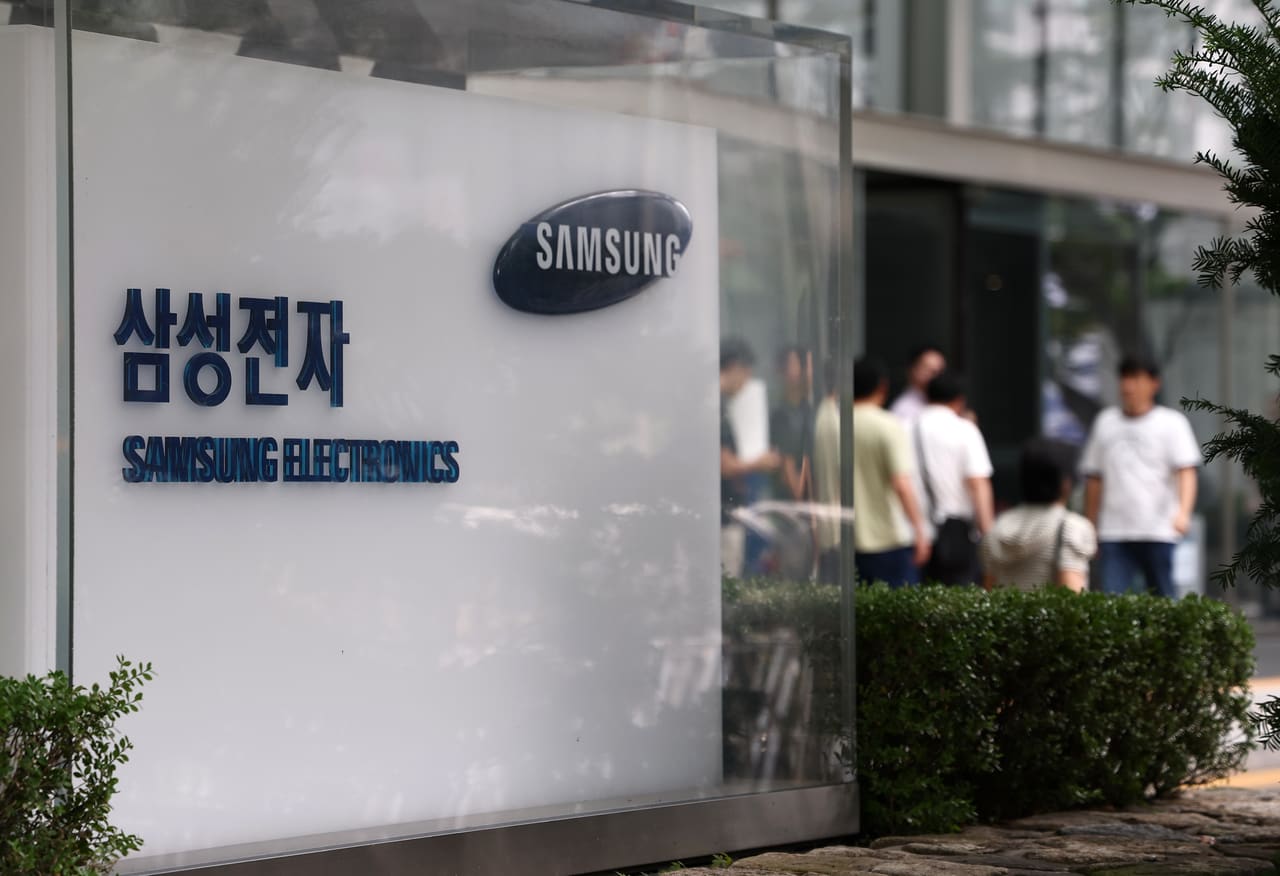
Samsung Electronics and SK hynix have turned down an approach from Korea Electric Power Corporation that would have required the semiconductor manufacturers to remit 25 trillion won (USD 18.5 billion) in advance electricity payments. The state-owned utility had asked Samsung to transfer 20 trillion won and SK hynix to provide 5 trillion won, sums calculated to cover approximately five years of power consumption based on the companies' 2025 billing records, according to industry sources.
The proposal represents an unorthodox attempt by KEPCO to secure immediate capital as the utility grapples with a debt burden that has ballooned in recent years. For context, the requested amounts are substantial even by the standards of South Korea's largest industrial power consumers: Samsung's proposed prepayment alone would exceed the annual revenue of many mid-tier conglomerates in the region.
Both chipmakers declined to participate in the arrangement. The rejection leaves KEPCO without a quick infusion of cash from two of its most power-intensive customers, at a time when the utility's financial position has become a matter of policy concern in Seoul.
The Debt Trap Facing South Korea's Power Monopoly
KEPCO's financial distress stems from a structural mismatch between regulated retail electricity tariffs and the rising cost of fuel imports. South Korea imports nearly all of its fossil fuel requirements, and global energy price volatility since 2022 has squeezed margins for utilities across Asia that lack pricing flexibility. KEPCO, as the sole provider of electricity distribution in South Korea, cannot pass costs directly to industrial users without government approval, a process that has historically lagged behind commodity market movements.
The utility's accumulated losses have prompted credit rating agencies to place the company under review, and its debt-to-equity ratio has climbed steadily. Prepayment schemes of the kind proposed to Samsung and SK hynix are rare in the power sector globally, and their emergence in South Korea signals the severity of KEPCO's liquidity needs. Typically, utilities secure bridge financing through bond issuance or state-backed credit facilities, rather than seeking advance payments from customers.
Semiconductor manufacturing is among the most energy-intensive industrial processes. A single advanced fabrication plant can consume as much electricity as a city of several hundred thousand residents. Samsung operates multiple fabrication campuses in South Korea, including its flagship site in Pyeongtaek, which houses some of the world's most advanced logic and memory production lines. SK hynix, the world's second-largest memory chipmaker, runs major facilities in Icheon and Cheongju. Combined, the two companies account for a significant share of South Korea's industrial electricity demand.
Regional Implications for Semiconductor Competitiveness
The standoff between KEPCO and the chipmakers arrives at a delicate moment for South Korea's semiconductor industry. Both Samsung and SK hynix are navigating a cyclical downturn in memory chip prices, even as they invest heavily in next-generation manufacturing capacity to compete with rivals in Taiwan and the United States. Capital allocation is under scrutiny: Samsung has committed tens of billions of dollars to new fabrication facilities and research into three-nanometre process technology, while SK hynix is ramping production of high-bandwidth memory chips used in artificial intelligence accelerators.
Diverting 25 trillion won into prepaid utility bills would tie up capital that the companies might otherwise deploy toward capital expenditure, research and development, or shareholder returns. While both firms maintain strong balance sheets, the scale of the requested prepayment is large enough to affect quarterly cash flow planning and potentially trigger disclosures to investors.
From a policy standpoint, the episode underscores a tension common across industrialising Asia: how to balance affordable electricity for strategic industries with the financial sustainability of state-owned utilities. Governments in the region have historically subsidised power for manufacturers to support export competitiveness, but that model has come under strain as energy import bills rise and utilities accumulate losses. South Korea is not alone; similar debates are unfolding in India, Indonesia, and Vietnam, where state power companies face mounting debt and calls for tariff reform.
What Comes Next for KEPCO
With the prepayment route closed, KEPCO will likely return to more conventional financing options. The South Korean government has in the past provided bridge loans and guarantees to the utility, and analysts expect some form of fiscal support if KEPCO's debt service burden threatens systemic stability. However, any large-scale bailout would require parliamentary approval and could face public resistance, particularly if it is perceived as subsidising industrial consumers at the expense of households.
Another path forward involves tariff adjustments. KEPCO has periodically petitioned regulators to raise industrial electricity rates, and the rejection by Samsung and SK hynix may lend urgency to those requests. However, tariff increases carry political risk and could draw opposition from business lobbies and manufacturing associations, which argue that higher power costs would erode South Korea's competitiveness relative to other semiconductor hubs.
In the near term, the standoff is a reminder of the operational challenges facing vertically integrated, state-controlled utilities in a volatile global energy market. For Samsung and SK hynix, the decision to decline reflects a straightforward calculation: prepaying years of bills offers no operational benefit and locks up capital that can be deployed more productively elsewhere. For KEPCO, the search for liquidity continues.
RELATED STORIES

South Korea Records Highest September Export Start on Semiconductor Demand
Tran Quoc Bao · 3 min
Samsung's Device Division Reports First Quarterly Loss as Chip Costs Surge
Cheng Wei-Lun · 3 min
South Korean Chip Materials Suppliers Ride AI Boom to Profit Surge
Cheng Wei-Lun · 3 min
LG Pivots to AI-Defined Vehicle Platform as Korea Chases China's Self-Driving Lead
Jun-ho Seo · 3 min
Spot something wrong? Email editor@briefasia.com. We log every correction publicly.