Sustainability · Energy
Indonesia's Renewable Energy Capacity Faces AI Data Centre Test
Nearly 4,000 GW of potential gives the archipelago an edge in Southeast Asia, but infrastructure gaps and bankability questions threaten to slow hyperscaler investment
KEY TAKEAWAYS
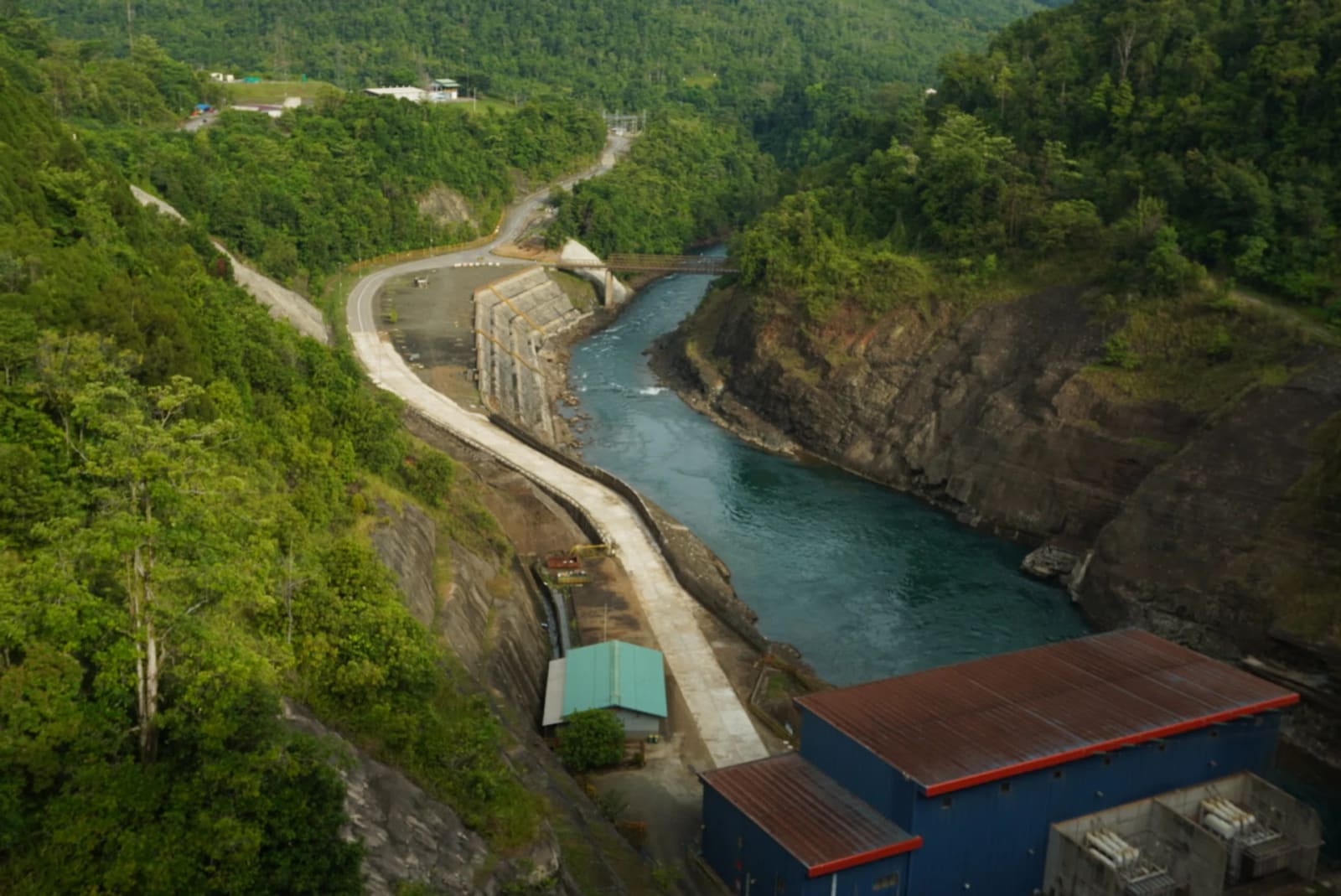
- ·Indonesia possesses nearly 4,000 GW of renewable energy potential, including 95 GW from hydropower, the largest resource base in Southeast Asia.
- ·Grid fragmentation, project bankability concerns, and slow transmission expansion constrain the country's ability to meet hyperscaler power requirements reliably.
- ·Regional competitors including Singapore, Malaysia, and Thailand are advancing alternative strategies to secure data-centre investment through streamlined permitting and cross-border power agreements.
Geography Meets Demand
Indonesia commands nearly 4,000 gigawatts of renewable energy potential, a function of its archipelago geography and equatorial position. The figure includes more than 3,686 GW across solar, wind, geothermal, and hydropower resources, with hydropower alone accounting for 95 GW, according to the Indonesia Investment Authority.
That scale of untapped capacity positions the country ahead of regional peers in Southeast Asia at a moment when data-centre operators are scouring the region for power-secure locations. Artificial intelligence workloads, which can require ten times the electricity of traditional cloud computing, have intensified the search for jurisdictions that can guarantee multi-decade energy supply.
Yet the advantage remains theoretical until transmission, financing, and regulatory frameworks catch up.
The Infrastructure Constraint
Grid infrastructure represents the most immediate bottleneck. Indonesia's electricity network remains fragmented across its 17,000 islands, with limited interconnection between Java, Sumatra, and eastern regions. Power generated in resource-rich areas often cannot reach demand centres without significant transmission investment.
Johan Batubara, director of investment at the Indonesia Investment Authority, noted that access to reliable power has become a foundational requirement for hyperscalers. In an environment where energy supply is increasingly constrained, the ability to deliver consistent baseload or renewable energy at scale determines site selection.
Data-centre operators typically require power purchase agreements spanning 15 to 25 years, with penalties for outages measured in millions of dollars per hour. Indonesia's current grid reliability metrics fall short of those benchmarks in most regions outside Java's main corridor.
Bankability and Capital Flows
Financing renewable energy projects at the scale required to serve hyperscaler demand introduces a separate layer of complexity. Bankability hinges on offtaker creditworthiness, regulatory stability, and currency risk. Indonesia's state utility, PLN, remains the dominant buyer of power, but its balance sheet and tariff structure have historically constrained private investment in large-scale renewables.
International developers require hard-currency revenue or robust hedging mechanisms to justify capital deployment in emerging markets. Without these, the cost of capital rises, eroding project economics and slowing deployment timelines.
The Indonesia Investment Authority has signalled intent to co-invest in energy infrastructure that supports digital economy growth, but the pipeline of bankable projects remains thin relative to the country's stated ambitions.
Regional Competition
Indonesia is not competing in a vacuum. Singapore has secured long-distance power imports from Laos and is exploring subsea cable projects linking to Australian solar farms. Malaysia has streamlined its renewable energy permitting process and offers bilingual regulatory environments that appeal to multinational operators. Thailand's Eastern Economic Corridor has attracted data-centre commitments through integrated industrial zones with dedicated substations.
Each jurisdiction is leveraging different advantages. Indonesia's edge lies in raw resource endowment, but translating that into delivered megawatts requires execution across policy, infrastructure, and finance simultaneously.
The Path Forward
Closing the gap will require prioritising transmission buildout in tandem with generation capacity, de-risking renewable projects through credit enhancement or sovereign guarantees, and accelerating permitting timelines for both energy and data-centre developments.
The government has introduced incentives for data-centre investment, including tax holidays and streamlined licensing for certain zones. Whether those measures prove sufficient depends on the speed at which energy supply can be scaled and made contractually reliable.
Indonesia's renewable potential is not in question. What remains uncertain is whether the infrastructure, financial, and regulatory environment can mature quickly enough to convert that potential into a competitive advantage before capital flows elsewhere.
RELATED STORIES
Indonesia Seeks 100GW Solar Build From China, But Not Chinese Ownership
Priyanka V. Rao · 3 min
Indonesia's Palm Oil Zones Account for Bulk of Fire-Ravaged Land This Year
Siti Nuraini · 4 min

Indonesia Faces Tension Between Petrochemical Growth and Plastic Reduction Goals
Siti Nuraini · 4 min
Southeast Asian Firms Race to Raise Green Debt as Region Falls Behind on Renewables
Priyanka V. Rao · 3 min
Spot something wrong? Email editor@briefasia.com. We log every correction publicly.