Sustainability · Nature
Indonesia Faces Tension Between Petrochemical Growth and Plastic Reduction Goals
As the country expands petrochemical capacity to cut import reliance, experts question whether production increases can align with waste reduction and climate commitments.
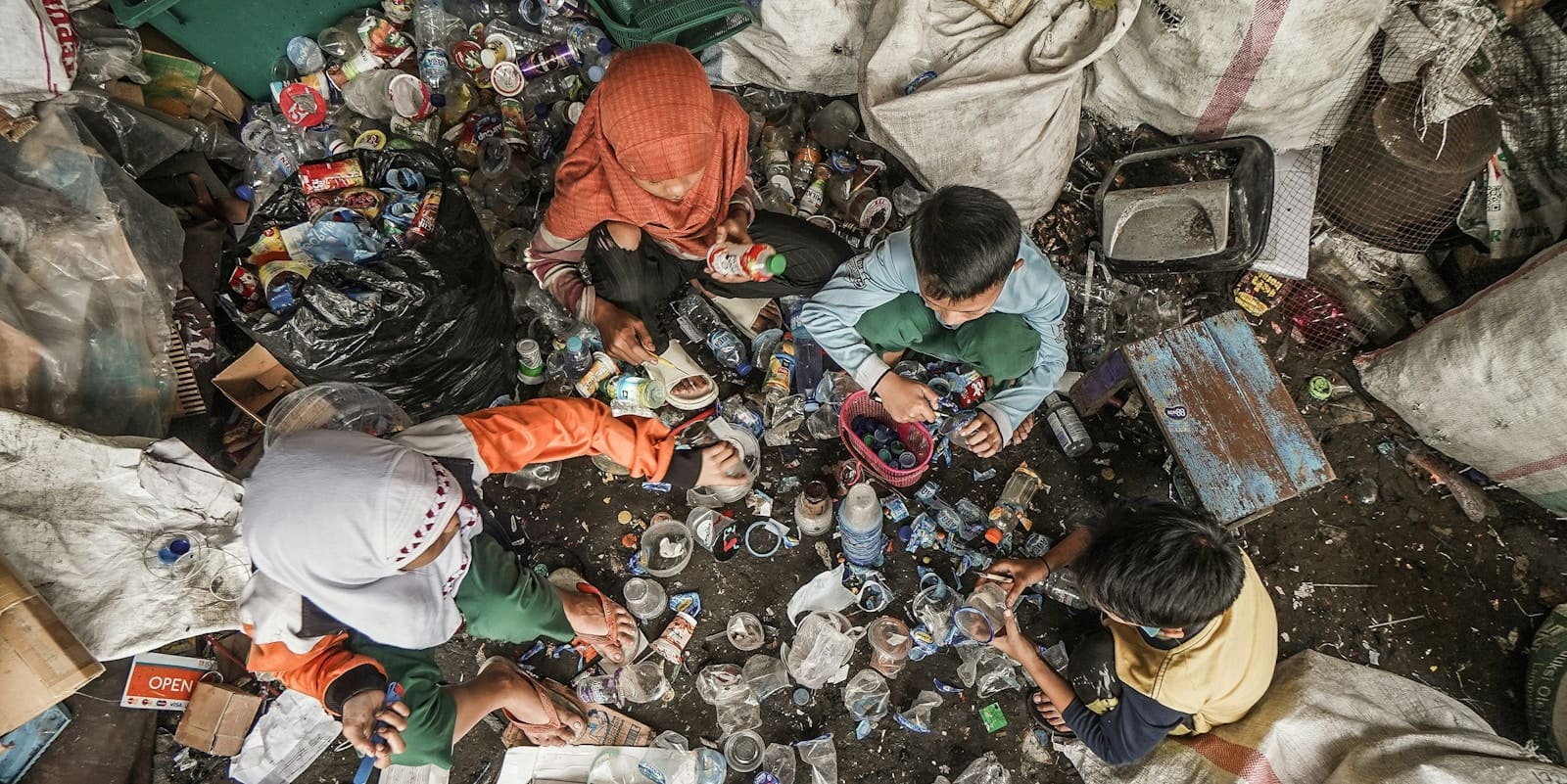
KEY TAKEAWAYS
- ·Indonesia's plastic demand is forecast to reach 22 million metric tonnes by 2050, up from 8 million in 2022, driven by economic growth and urbanization.
- ·New petrochemical crackers converting naphtha into ethylene and propylene aim to replace imports but conflict with waste reduction and emissions commitments.
- ·Experts advocate expanding existing reuse systems for household products rather than replacing disposable plastics with alternative disposable materials.
Production Versus Reduction
Jakarta office worker Diana Marsella no longer thinks twice about bringing a canvas tote to the supermarket. Since the capital banned disposable plastic bags in 2020, usage dropped 82 percent within months, according to the Jakarta Environmental Agency. Similar prohibitions have spread across Indonesian cities since 2016.
Yet the country is simultaneously building out petrochemical infrastructure at scale. New projects feature crackers that convert petroleum naphtha into ethylene and propylene, the building blocks for resins used in food packaging and bottles. The expansion is designed to replace imports with domestic supply, but environmental researchers say the trajectory is increasingly at odds with waste reduction pledges and emissions targets.
Most plastics originate from oil and gas through energy-intensive processes that generate carbon dioxide at every stage: extraction, refining, and manufacturing. Petrochemicals now represent one of the fastest-growing sources of global oil demand. In Southeast Asia, China, Japan, and South Korea, daily-use plastics are expected to account for the majority of demand through 2050, according to a 2025 Organisation for Economic Cooperation and Development report.
Herlina Agustin, an associate professor at Padjadjaran University researching environmental communications, notes that every plastic product carries a carbon footprint long before disposal. Public awareness, she says, remains focused on litter rather than the upstream fossil fuel and carbon system. Greater understanding of plastics' lifecycle emissions could help curb consumption, but lasting reductions require coordinated shifts in policy, infrastructure, and business models.
Demand Trajectory
Indonesia's plastic demand is projected to climb from 8 million metric tonnes in 2022 to 22 million by 2050, according to the OECD. Economic growth, population increases, and urbanization are all expected to drive higher consumption of plastic-intensive products.
Packaging accounted for 31 percent of Indonesia's plastic use in 2022, synthetic textiles 17 percent, and household consumer products 11 percent. That profile is unlikely to shift significantly. Across Southeast Asia, China, South Korea, and Japan, everyday-use plastics are forecast to retain a 61 percent share of total demand through mid-century, with transportation and manufacturing sectors absorbing the remainder.
Substitute materials have emerged as one proposed solution. Franky Wibowo, head of marketing at PT Bersaudara Inti Corpora, a supplier of plastic raw materials for packaging, explains that alternatives often fall short on food safety, durability, and cost. A rice bag must withstand weight, transport, and storage; many recyclable options cannot deliver equivalent mechanical strength at competitive prices.
South Korean company CJ Biomaterials operates a facility in East Java producing polyhydroxyalkanoates, biodegradable plastics derived from bacterial fermentation of oils, sugars, or food waste. Indonesian manufacturers have also introduced packaging made from crushed sugarcane stalks and cassava-based materials.
Elis Nurhayati, chief executive and co-founder of technology start-up Daya Data Komunitas, cautions that swapping plastics for other disposable materials may simply transfer environmental pressure. Paper production can increase strain on forests, while bioplastics may compete with food systems and agricultural land. The underlying problem, she argues, is the disposable model itself.
Reuse as Infrastructure
Tiza Mafira, co-founder of Dietplastik Indonesia and director of the Climate Policy Initiative, points to existing reuse systems already embedded in Indonesian life. Large refillable water dispensers and returnable cooking gas cylinders have operated for decades. That model, she says, can expand to household products and food staples.
In Jakarta and other major cities, refill stores allow customers to bring their own containers for cooking oil, detergent, and cleaning supplies. A 2023 UN Environment Programme study found that reuse systems could cut global plastic pollution by 30 percent by 2040.
Nurhayati advocates restricting plastic to applications essential for societal functioning, which would curb unnecessary use. Linking waste reduction directly to economic incentives, she adds, accelerates behavior change. Public pressure from environmentally and financially aware consumers could eventually push industries toward decarbonization.
Convenience and Cost
Consumers continue to rely on plastic packaging primarily because it is cheap and accessible, according to Hilaludin, co-founder of community-based environmental organization Yayasan Rumah Pelangi. Even when alternatives such as wrapping food in leaves are desired, they are often harder to find and more expensive.
Agustin of Padjadjaran University argues that conventional plastics are artificially cheap because their price excludes environmental costs. The public ultimately pays through pollution, waste, and environmental damage. The challenge extends beyond material replacement to systemic consumption change. Reusable containers may be preferred, but many retail environments still do not support them.
Many solutions promoted in Indonesia, including improved waste segregation, reuse systems, and alternative materials, focus on plastics only after production, Agustin notes. Reconciling environmental ambitions with policies that expand petrochemical output remains difficult. As long as success is measured by production growth and continuous expansion, the system will seek ways to appear greener without fundamental change.
A 2026 report by Dietplastik Indonesia found enforcement of plastic bans remains inconsistent across the country, despite municipal regulations. The gap between regulatory intent and on-the-ground reality reflects broader tensions between consumption reduction goals and industrial policy.
What Indonesia may need, Agustin suggests, is not only new technologies but a different understanding of sufficiency. Environmental communication should facilitate honest conversation about the future, rather than make current reality appear better than it is.
RELATED STORIES
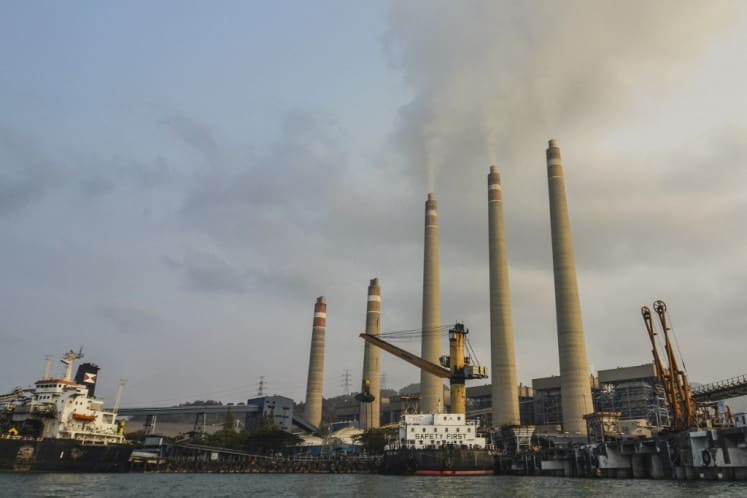
Indonesia's Coal Plants Drive Respiratory Crisis Beyond Wildfire Zones
Siti Nuraini · 3 min
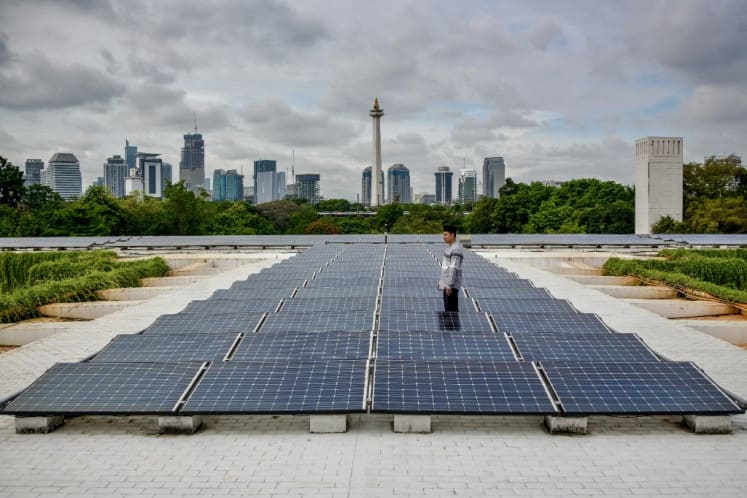
Jakarta Launches 30 GW Solar Tender in Race to Close Southeast Asia's Renewables Gap
Siti Nuraini · 3 min
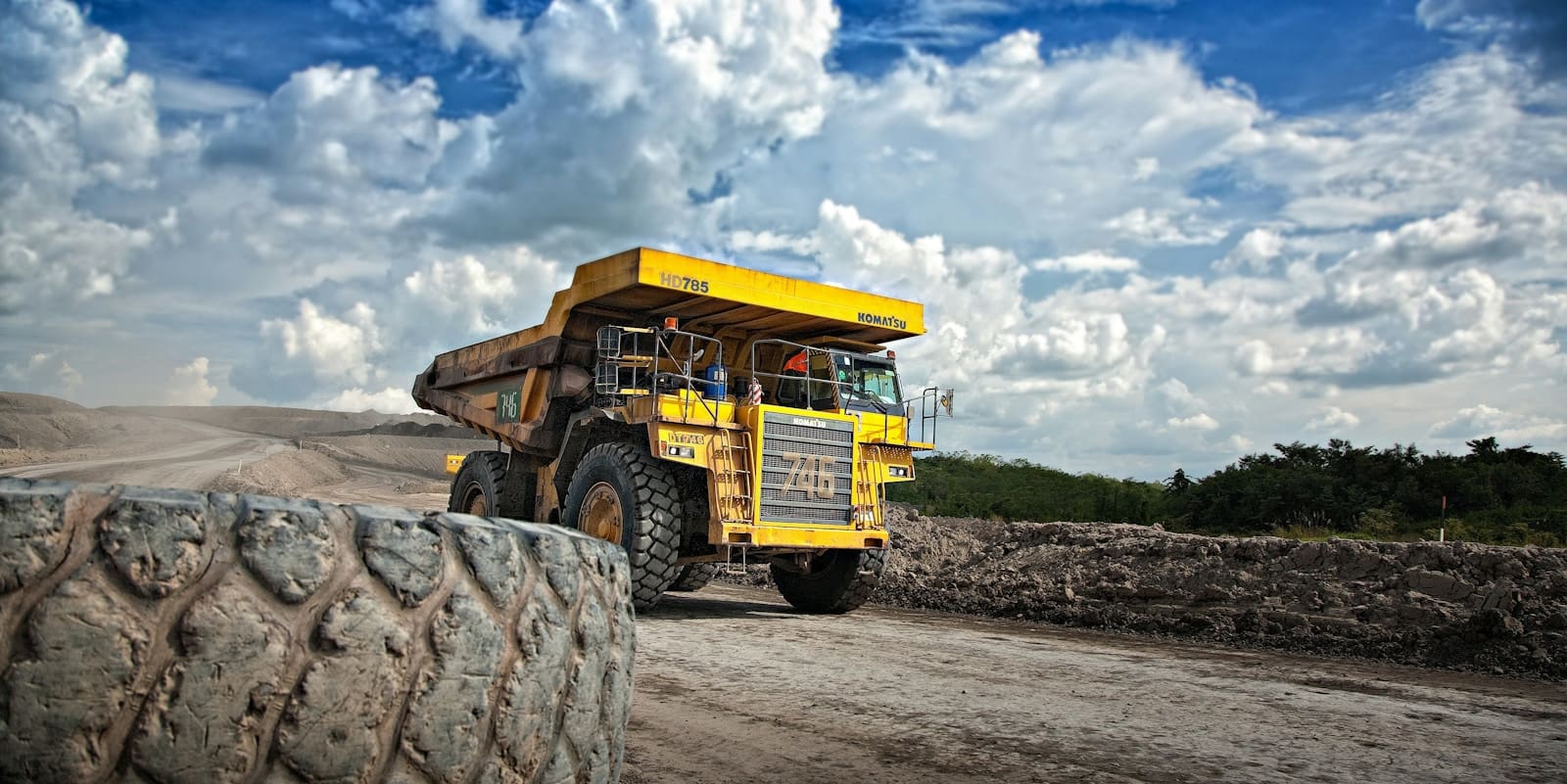
Private Capital Stalls at Indonesia's Industrial Coal Plants Despite Transition Pledges
Priyanka V. Rao · 3 min
Indonesia Cuts EV Motorcycle Subsidy by More Than Half
Siti Nuraini · 3 min
Spot something wrong? Email editor@briefasia.com. We log every correction publicly.