Asia · Business
Manila Motorists Face Another Sharp Fuel Hike as Regional Oil Volatility Persists
Diesel jumps by 2.31 pesos per liter Tuesday, compounding a brutal month for Philippine consumers already grappling with persistent inflation and monsoon disruptions
KEY TAKEAWAYS
- ·Diesel will climb 2.31 pesos per liter and gasoline 1.08 pesos across the Philippines on Tuesday, following last week's hikes of 3.84 pesos and 2.49 pesos respectively.
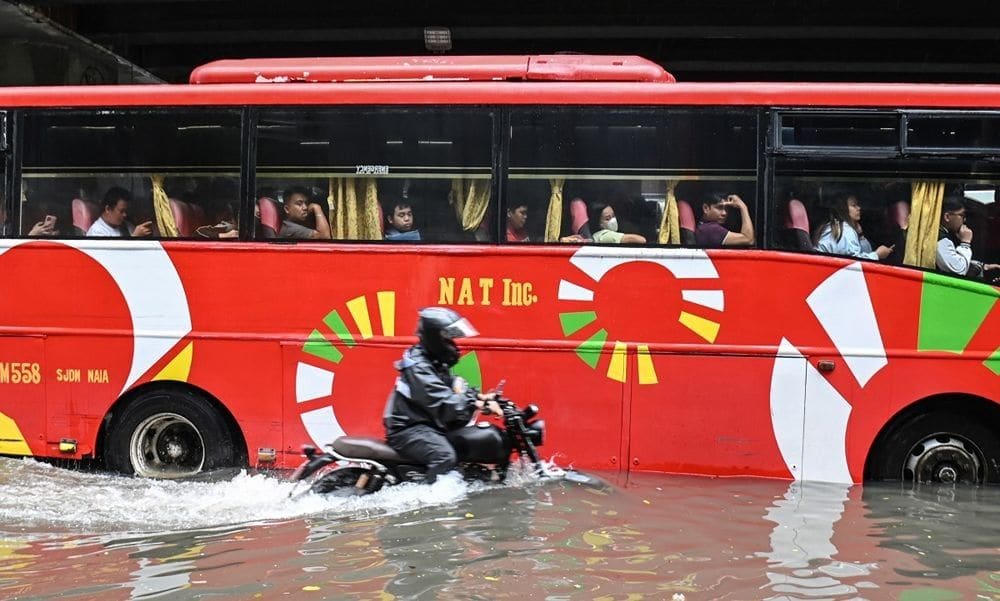
- ·The increases come as Metro Manila recovers from severe monsoon flooding that disrupted transport and amplified fuel consumption, compounding cost pressures on operators and households.
- ·Philippine dependence on imported crude and refined products leaves the economy exposed to global oil volatility, with limited fiscal tools to cushion consumers compared to neighbors like Malaysia and Thailand.
Back-to-Back Increases Hit Philippine Pumps
Fuel retailers across the Philippines will raise prices at 6 a.m. Tuesday, August 25, implementing the second consecutive week of increases that push the cost of transport and logistics higher for businesses and households alike. The Department of Energy confirmed the adjustments late Sunday, with diesel climbing 2.31 pesos per liter, all grades of gasoline rising 1.08 pesos, and kerosene up 0.95 pesos.
Unioil, Seaoil, Petro Gazz, Shell, and Jetti Petroleum issued separate advisories confirming they will implement the new pricing in tandem. The coordinated timing reflects the tight pass-through structure of the Philippine downstream oil market, where import parity pricing mechanisms leave retailers little room to absorb international crude swings.
For context, the previous week saw even steeper hikes: gasoline surged 2.49 pesos per liter, diesel jumped 3.84 pesos, and kerosene spiked 5.01 pesos. That means in the span of two weeks, diesel alone will have climbed more than 6 pesos per liter, a cumulative blow to jeepney operators, bus fleets, and the sprawling logistics networks that keep Metro Manila and provincial hubs supplied with goods.
Why the Volatility Matters Now
The timing is particularly painful. Heavy monsoon rains flooded large swaths of Metro Manila on August 17, dumping more than 200 millimeters of rainfall in five hours and paralyzing road networks. The storm forced many commuters to rely on ride-hailing services or private vehicles, amplifying fuel consumption at precisely the moment pump prices began their climb. Public transport operators, many still recovering from pandemic-era losses, now face a double squeeze: higher operating costs and fewer passengers due to flood-related disruptions.
The Philippine economy remains acutely sensitive to oil price shocks. The country imports nearly all its crude and refined products, and transport fuel accounts for a significant share of household budgets, particularly among lower-income families who depend on tricycles, jeepneys, and buses. A sustained rise in diesel prices ripples quickly through the cost of food, construction materials, and manufactured goods, complicating the central bank's efforts to manage inflation.
Southeast Asia as a whole has seen energy costs swing wildly this year. Benchmark Brent crude has traded in a wide range, buffeted by OPEC+ production cuts, renewed demand from China's post-lockdown recovery, and geopolitical tensions in the Middle East. For net importers like the Philippines, Indonesia, and Thailand, each dollar-per-barrel move in global markets translates directly into local pump volatility within days.
Regional Context and Policy Constraints
Unlike some of its neighbors, the Philippines does not maintain a large strategic petroleum reserve or a fuel subsidy mechanism that can smooth out short-term price spikes. Past attempts at price controls or subsidies have strained fiscal resources without delivering sustained relief, leaving successive administrations to rely on market-based pricing with limited intervention.
The Department of Energy has called on oil companies to provide transparent pricing and to stagger adjustments where possible, but the structure of the market limits the government's leverage. Most Philippine refiners import finished products on a just-in-time basis, locking in prices on international spot markets and passing costs through to consumers within a week.
This contrasts with Malaysia and Indonesia, where state-owned enterprises control larger shares of refining and distribution, allowing governments to absorb some volatility through subsidies or strategic stock releases. Thailand has used an oil fund mechanism to cushion consumers, though that system too has come under fiscal pressure as global prices remain elevated.
For the Philippines, the lack of a large domestic refining base means the country is a pure price-taker. When Dubai crude or Singapore gasoline cracks move, Manila pumps follow. That makes energy security a persistent vulnerability, one that successive infrastructure plans have sought to address through investments in liquefied natural gas terminals, renewable power, and electric vehicle incentives, though none of those initiatives will ease near-term pump pain.
What Operators and Households Are Watching
Transport groups have already warned that the cumulative increases may force another round of fare hike petitions. Jeepney and bus operators typically absorb the first few weeks of price increases before seeking relief from the Land Transportation Franchising and Regulatory Board, but two consecutive sharp adjustments compress that window. A fare increase would add to cost-of-living pressures for commuters, many of whom are still adjusting to the phaseout of pandemic-era subsidies.
Logistics companies are recalculating fuel surcharges, a standard practice in freight contracts but one that ultimately flows through to consumer prices. Retailers and wholesalers in Metro Manila and Cebu are bracing for higher delivery costs, which may show up in grocery aisles and construction sites over the coming weeks.
The Department of Energy has not issued guidance on whether further increases are likely in early September. International oil futures remain volatile, and traders are watching for signals from OPEC+ on production policy, U.S. inventory data, and any escalation in Middle East supply risks. For now, Philippine consumers and businesses are left to navigate a market where the only certainty is uncertainty.
The broader lesson for policymakers across Southeast Asia is that energy import dependence remains a structural risk. As global oil markets swing between supply discipline and demand surges, countries without diversified energy sources or fiscal buffers will continue to see domestic price volatility translate into economic and social strain. For the Philippines, the challenge is not just managing this week's hike, but building the infrastructure and policy tools to insulate households and businesses from the next one.
RELATED STORIES
Philippine Government Subsidies to State Firms Jump 118% in First Half of 2026
Mariel D. Santos · 3 min
Philippines Faces Prolonged Budget Deficit as Growth Slowdown Shifts Fiscal Timeline
Priyanka V. Rao · 3 min

Philippines Logs 800 Million Government Transactions Through Single Mobile App
Mariel D. Santos · 4 min

Filipino Workers Report High Pay Fairness But Low Salary Satisfaction
Mariel D. Santos · 3 min
Spot something wrong? Email editor@briefasia.com. We log every correction publicly.