Asia · Politics
Singapore Inflation Climbs on Power Tariffs, Stays Below Forecasts
Both core and headline consumer prices accelerated in July, driven by a sharp electricity adjustment, though the pace remains under economist expectations
KEY TAKEAWAYS
- ·Singapore's core inflation rose to 2 per cent in July from 1.6 per cent in June, below the 2.2 per cent median economist forecast.
- ·A 17 per cent electricity tariff adjustment contributed approximately 0.3 percentage points to the monthly increase, with services and food also rising.
- ·The subdued reading suggests current Monetary Authority exchange-rate policy settings remain appropriate as regional inflation paths diverge.
Electricity Surge Pushes Price Growth Higher
Singapore recorded a modest uptick in consumer price growth last month, with the core measure reaching 2 per cent in July compared to 1.6 per cent the previous month. The Monetary Authority of Singapore and the Ministry of Trade and Industry confirmed the figures on August 24, attributing much of the acceleration to a 17 per cent electricity tariff adjustment that took effect during the month.
Headline inflation, which captures the full basket of goods and services including housing and transport, rose to 2.2 per cent from 1.9 per cent in June. Despite the increases, both metrics came in below market expectations. Private sector economists polled by Bloomberg had anticipated a median core reading of 2.2 per cent, suggesting that underlying price pressures remain more contained than forecasters predicted.
Brian Tan, head of non-China emerging markets Asia economics research at Barclays, estimates that the electricity tariff revision alone contributed approximately 0.3 percentage points to the monthly rise. That single policy adjustment accounted for a significant portion of the headline move, underscoring how regulated utility prices continue to shape Singapore's inflation trajectory even as broader cost pressures moderate.
Dissecting the Drivers
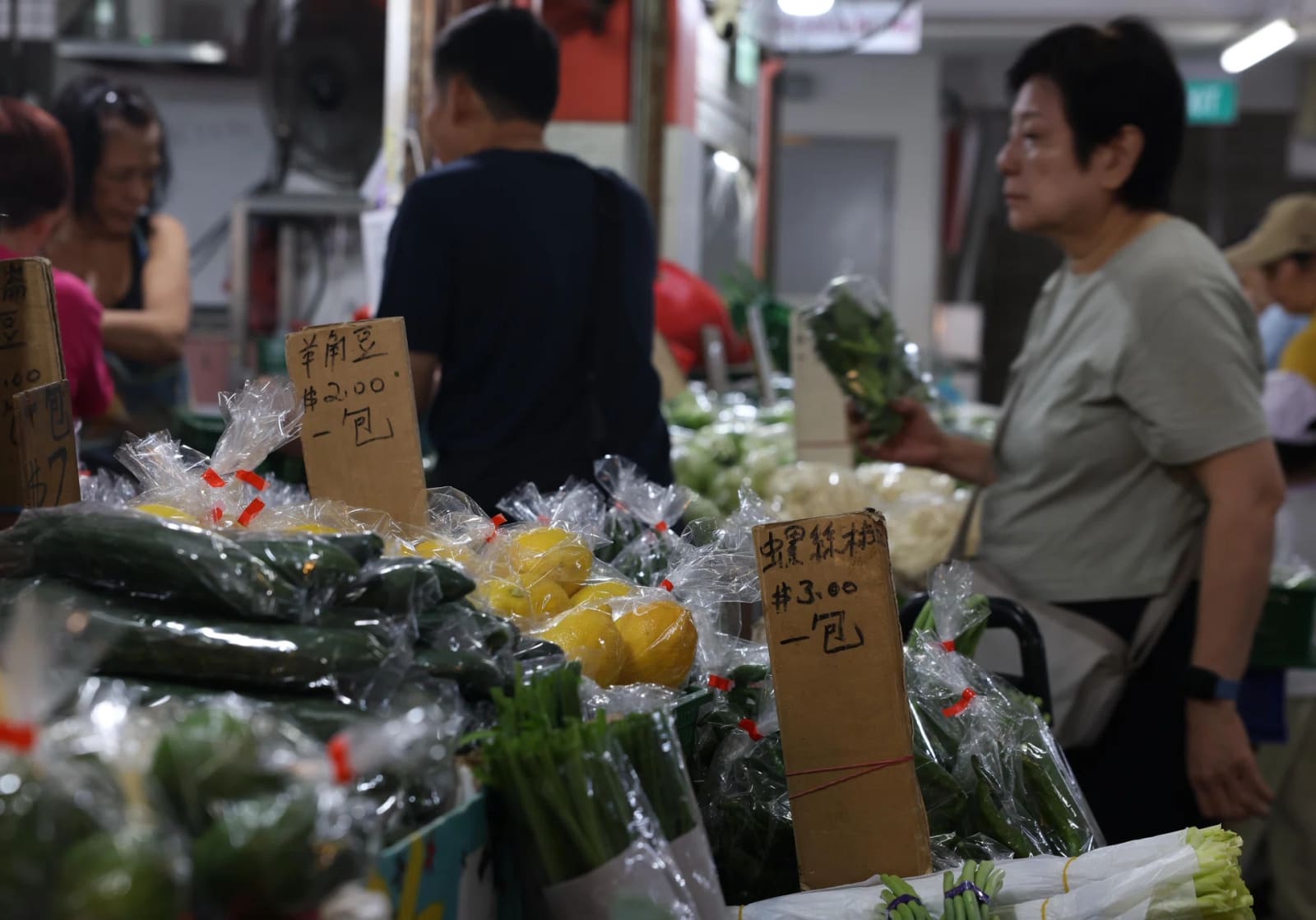
The acceleration was not uniform across categories. Services costs climbed alongside food prices, reflecting persistent labour tightness in the hospitality and food-service sectors. Singapore's tight labour market, a structural feature of the city-state's economy, has kept wage growth elevated in service industries, and businesses have passed some of those costs through to consumers.
Gas prices also contributed to the uptick, though the scale of the impact was smaller than that of electricity. Energy costs remain a sensitive variable for Singapore, which imports nearly all its natural gas and relies on regional pipelines and liquefied natural gas shipments. Global energy markets have been volatile in recent months, and while prices have stabilized compared to the peaks seen in previous years, any sustained increase in feedstock costs flows directly into household bills.
Food inflation, meanwhile, continues to reflect both global commodity trends and regional supply dynamics. Singapore imports more than 90 per cent of its food, making it vulnerable to shifts in producer prices across Southeast Asia, China, and further afield. Weather disruptions in key agricultural regions, coupled with currency fluctuations, have kept food prices sticky even as some other categories have cooled.
Regional Context and Policy Implications
The July data arrives at a moment when central banks across Asia are navigating divergent inflation paths. While Singapore's core measure remains within the Monetary Authority's comfort zone, other regional economies are grappling with more persistent price pressures or, in some cases, outright deflation. Thailand has seen consumer prices stagnate, prompting its central bank to hold rates steady. The Philippines, by contrast, has struggled with elevated food and energy costs, forcing the Bangko Sentral ng Pilipinas to maintain a more hawkish stance.
Singapore's inflation dynamics are shaped by its unique monetary framework. Unlike most central banks, the MAS manages policy through the exchange rate rather than interest rates, adjusting the slope, width, and center of the Singapore dollar's policy band to influence import prices and broader price stability. The relatively subdued core reading in July suggests that the current policy settings remain appropriate, and market participants do not expect an imminent shift in the band parameters.
Electricity tariff adjustments are a recurring feature of Singapore's inflation landscape. The city-state's power market operates under a regulated tariff structure, with quarterly reviews reflecting movements in natural gas costs and generation expenses. The 17 per cent increase in July was larger than recent adjustments, driven by higher gas import costs and maintenance schedules at key generation facilities. Future tariff paths will depend on regional gas supply agreements and global energy trends, both of which remain subject to geopolitical and weather-related volatility.
What the Numbers Mean for Households and Businesses
For Singapore households, the July inflation print translates into a modest erosion of purchasing power, though the impact varies by spending pattern. Lower-income households, which devote a larger share of budgets to utilities and food, feel the pinch more acutely than wealthier families. The government has rolled out targeted support measures in recent budgets, including utilities rebates and cash transfers, to cushion the blow for vulnerable groups.
Businesses are watching inflation trends closely for signals on wage negotiations and cost pass-through. The tight labour market means that many firms face pressure to raise salaries to retain talent, and inflation data feeds into annual wage-setting discussions. A sustained period of sub-3 per cent core inflation gives employers some breathing room, but service-sector firms in particular remain squeezed by rising manpower costs.
Retail and hospitality operators are also monitoring electricity costs, which represent a meaningful share of operating expenses for malls, hotels, and restaurants. The July tariff hike will flow through to businesses over the coming months, and some operators may adjust pricing or seek efficiencies to protect margins.
Looking Ahead
The inflation outlook for the remainder of the year hinges on several variables. Energy prices remain the most immediate wildcard. Any escalation in Middle East tensions or disruptions to Southeast Asian gas supply could push tariffs higher in the fourth quarter. Conversely, a mild winter in Asia or increased liquefied natural gas exports from the United States could ease pressure.
Food prices are another area of uncertainty. Weather patterns linked to El Niño or La Niña can disrupt rice, vegetable, and protein supply chains across the region, and Singapore's import dependence means that external shocks translate quickly into supermarket shelves. Currency movements also matter. A stronger Singapore dollar would help dampen imported inflation, while weakness against major trading partners would have the opposite effect.
Services inflation is likely to remain sticky. Wage growth in the hospitality, healthcare, and professional services sectors shows little sign of slowing, and businesses have demonstrated a willingness to pass costs along to consumers. Barring a sharp economic downturn, services price growth is expected to stay elevated relative to goods.
The MAS and MTI will release their next inflation update in late September, covering August data. Market participants will be watching for signs that the electricity effect is fading and whether underlying price momentum remains subdued. For now, the July figures suggest that Singapore's inflation environment, while not entirely benign, remains manageable within the policy framework that has served the city-state well over the past decade.
RELATED STORIES

Singapore Economists Lift 2026 Export Forecasts as Electronics Demand Holds
Priyanka V. Rao · 3 min

Shein Targets $27 Billion Valuation in Hong Kong Debut
Cheng Wei-Lun · 3 min
Southeast Asian Factories Adopt Proximity Planning to Retain Workers and Investors
Lim Hui Ying · 3 min
Singapore Rolls Out $55,000 Per Child in Push Against 0.87 Fertility Rate
Lim Hui Ying · 3 min
Spot something wrong? Email editor@briefasia.com. We log every correction publicly.