Finance · Deals
Shein Targets $27 Billion Valuation in Hong Kong Debut
The Singapore-based fast-fashion giant faces labor scrutiny and regulatory headwinds as it pivots from a failed US listing to the Asian exchange.
KEY TAKEAWAYS
- ·Shein will debut on the Hong Kong Stock Exchange in September at a valuation near $27 billion after relocating headquarters to Singapore.
- ·The European Commission opened a Digital Services Act investigation in February examining illegal product sales, addictive design, and algorithm transparency.
- ·France is preparing per-item fees targeting ultra-fast fashion platforms while the US eliminated tax exemptions for shipments under $800.
The IPO Pivot
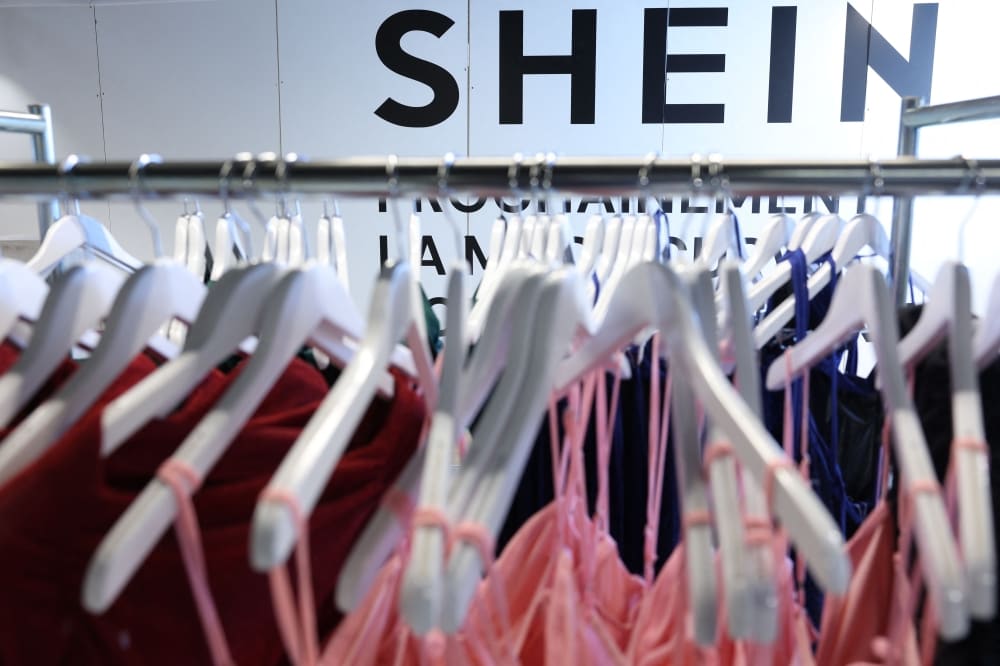
Shein will list on the Hong Kong Stock Exchange in September at a valuation close to $27 billion, according to the company. The move represents a strategic retreat from Western capital markets after intense regulatory scrutiny derailed earlier plans for a US listing.
The retailer relocated its headquarters from China to Singapore between 2021 and 2022, a shift widely interpreted as an attempt to distance itself from mounting geopolitical tensions and regulatory pressure facing Chinese-domiciled companies. Despite the corporate restructuring, Shein continues to rely heavily on China's manufacturing infrastructure and e-commerce logistics ecosystem.
The Business Model
Shein's competitive edge rests on two pillars: an enormous product catalog offered at ultra-low prices, and supply-chain velocity that rivals struggle to match. The platform sells sundresses for $8 and bracelets for $2, capturing price-sensitive consumers worldwide during a period of persistent inflation.
The company ranks its suppliers based on speed and flexibility, systematically culling underperformers. It mines customer search data and social media trends to generate designs likely to sell, a practice that has landed it in more than 40 intellectual property lawsuits as of July, Shein disclosed.
Zhongtai Securities noted in a 2021 report that the company's supplier evaluation system prioritizes the ability to fulfill urgent orders, creating a high-pressure manufacturing environment that favors scale and agility over worker welfare.
Social Media as Growth Engine
Shein's explosive growth stemmed largely from its mastery of TikTok marketing. During pandemic lockdowns, the company recruited micro-influencers and everyday users to post "haul" videos showcasing piles of new purchases. Compensation came in the form of free merchandise and cash payments.
The strategy built a devoted customer base in the United States and Europe, but also generated controversy. A 2023 factory tour organized for Western influencers drew sharp criticism for whitewashing alleged labor violations and presenting a sanitized version of production conditions.
Competition has intensified with the rise of Temu, another low-cost e-commerce platform that targets the same demographic and employs similar marketing tactics.
Regulatory and Compliance Challenges
The European Union designated Shein in 2024 as a company large enough to warrant heightened safety oversight under its digital platform regulations. In February of this year, the European Commission opened a formal investigation into whether Shein complies with the Digital Services Act.
The probe examines the company's systems for preventing illegal product sales, risks tied to what regulators describe as "addictive design" features, and the transparency of its recommendation algorithms.
France has taken the most aggressive legislative stance, preparing to impose per-item fees on platforms deemed to engage in "ultra-fast fashion." The measure directly targets Shein and Temu, aiming to curb the environmental and social costs of disposable clothing.
The United States has also moved to eliminate tax exemptions for individual shipments valued under $800, a change that increases costs for Shein's parcel-heavy business model.
Labor and Environmental Critiques
Like H&M and Zara before it, Shein faces persistent allegations of underpaying and overworking garment workers. Critics argue the company obscures its production processes, making independent verification difficult.
Stand Earth, a US-Canadian advocacy group, ranked Shein last among more than 40 major fashion brands for environmental practices in a 2023 assessment. The organization cited the company's reliance on synthetic fabrics, lack of transparency around emissions, and business model that encourages overconsumption.
Shein counters that it conducts regular third-party audits to ensure fair wages and that its on-demand production model reduces overstock and waste. The company argues that manufacturing only what customers order avoids the inventory surplus that plagues traditional fashion retailers.
The Hong Kong Bet
The Hong Kong listing offers Shein access to Asian capital while sidestepping the compliance and political obstacles that blocked a US IPO. The exchange has positioned itself as a destination for Chinese and Asian technology companies seeking public markets without the regulatory friction of New York or London.
At $27 billion, Shein's valuation reflects investor confidence in its ability to sustain growth despite mounting regulatory and reputational challenges. The test will be whether the company can maintain its pricing advantage and supply-chain speed while addressing labor and environmental concerns that have drawn scrutiny from regulators and consumers alike.
RELATED STORIES
Shein Targets $27 Billion Valuation in Hong Kong Listing
Cheng Wei-Lun · 3 min
Shein Targets $2.3 Billion in Hong Kong Debut After Years of Setbacks
Cheng Wei-Lun · 3 min

Shein IPO Values Fast-Fashion Giant at $27 Billion, Down 70% From Private Peak
Cheng Wei-Lun · 3 min

Shein Prices Hong Kong IPO at $27 Billion Valuation
Priyanka V. Rao · 3 min
Spot something wrong? Email editor@briefasia.com. We log every correction publicly.