Asia · Business
Philippine Government Subsidies to State Firms Jump 118% in First Half of 2026
PhilHealth restoration drives surge in budgetary support to GOCCs, even as Manila plans 28% cut for next year
KEY TAKEAWAYS
- ·Philippine government subsidies to state-owned corporations reached PHP 114.58 billion in the first half of 2026, up 118.2 percent from PHP 52.5 billion in the same period of 2025, with PhilHealth receiving PHP 60 billion following a Supreme Court ruling.
- ·The sharp increase contrasts with Manila's proposed PHP 191.8 billion in GOCC subsidies for 2027, a 27.6 percent reduction from this year's PHP 264.9 billion allocation, driven by efforts to reduce reliance on national funding.
- ·The government plans to liquidate 21 GOCCs deemed to no longer fulfill their mandates, though officials caution the process will be lengthy and savings uncertain due to liability settlements and asset appraisals required.
Sharp Rise in State Support
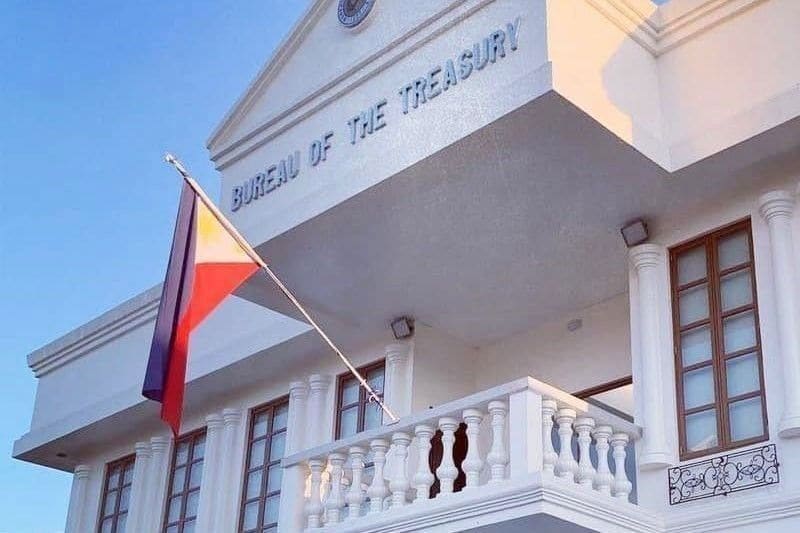
The Philippine government's budgetary support to state-owned corporations surged to PHP 114.58 billion in the first half of 2026, more than double the PHP 52.5 billion allocated during the same period in 2025, according to the Bureau of the Treasury. The 118.2 percent year-on-year increase reflects a significant shift in fiscal allocation to government-owned or controlled corporations (GOCCs).
These subsidies cover operational expenses that GOCCs cannot support through their own revenue streams, serving as a lifeline for entities primarily focused on public service rather than commercial profit.
PhilHealth Dominates Allocation
The Philippine Health Insurance Corporation received the largest share of budgetary support at PHP 60 billion during the six-month period. This allocation represents a restoration of previously remitted funds, following a Supreme Court ruling that required the return of unutilized subsidy balances that had been transferred to the Treasury in 2024.
Food Terminal Inc. secured the second-largest allocation with PHP 10 billion as a one-time fund disbursed in June. The National Irrigation Administration received PHP 8.96 billion, while the National Food Authority obtained PHP 8.71 billion in subsidies.
At the lower end of the spectrum, the Zamboanga City Special Economic Zone Authority received the smallest subsidy allocation at PHP 24 million during the period.
Planned Reduction for 2027
Despite the sharp increase in subsidies this year, Manila has proposed PHP 191.8 billion in budgetary support for GOCCs in 2027, representing a 27.6 percent decline from the PHP 264.9 billion allocated for 2026.
Governance Commission for GOCCs chairman Marius Corpus explained that the Department of Budget and Management conducted a careful assessment based on the public service mandates of each corporation. The proposed reduction stems from two factors: more prudent expenditure management by the GOCCs themselves and a deliberate policy shift to reduce dependence on national government funding.
Corpus emphasized that state-run entities focused on public service rather than commercial operations will continue receiving financial support to fulfill their mandates. The subsidy cuts appear targeted at improving fiscal efficiency rather than abandoning core government services.
Liquidation Push
The government is moving forward with plans to abolish 21 GOCCs that officials say no longer fulfill their original mandates. However, Corpus cautioned that estimating potential savings or revenue from liquidating these corporations remains premature.
The liquidation process involves settling outstanding liabilities before any assets can be realized. Real property assets require appraisal before disposal, sale, transfer to other government agencies, or handover to parent GOCCs. The technical working group overseeing the process must ensure government interests receive proper consideration throughout what Corpus described as a "quite tedious" procedure.
Regional Fiscal Context
The subsidy surge comes as Southeast Asian governments navigate competing priorities between fiscal consolidation and maintaining essential public services. The Philippines has faced pressure to manage its fiscal position while supporting healthcare infrastructure and food security systems that rely heavily on state-run entities.
The planned reduction for 2027 signals Manila's intent to tighten budgetary discipline ahead, even as immediate needs drove the sharp increase in the first half of this year. Whether the government can achieve the proposed 28 percent cut while maintaining service levels will test the effectiveness of ongoing GOCC reforms and the success of efforts to improve revenue generation within state corporations themselves.
The PhilHealth restoration alone accounts for more than half of the total subsidy increase, suggesting that without the Supreme Court-mandated fund return, the year-on-year growth would have been substantially more modest.
RELATED STORIES
Philippines Faces Prolonged Budget Deficit as Growth Slowdown Shifts Fiscal Timeline
Priyanka V. Rao · 3 min

Philippines Logs 800 Million Government Transactions Through Single Mobile App
Mariel D. Santos · 4 min
Philippines Turns to Private Sector for Major Infrastructure After Government Building Failures
Mariel D. Santos · 3 min
Philippines Cuts Poverty Rate to Single Digits for First Time
Priyanka V. Rao · 3 min
Spot something wrong? Email editor@briefasia.com. We log every correction publicly.