Asia · Business
Indonesia Cuts EV Motorcycle Subsidy by More Than Half
Jakarta slashes electric two-wheeler incentive from Rp 7 million to Rp 3 million per unit, raising concerns about adoption momentum in Southeast Asia's largest two-wheeler market
KEY TAKEAWAYS
- ·Indonesia reduced its electric motorcycle purchase incentive from Rp 7 million to Rp 3 million per unit under a program targeting one million locally made vehicles.
- ·Aismoli warned the lower subsidy will affect affordability in a price-sensitive market where electric models remain significantly more expensive than gasoline motorcycles.
- ·The industry is calling for regulatory certainty and swift implementation, citing past delays and budget constraints that have stalled previous subsidy programs.
Subsidy Reduction Raises Affordability Concerns
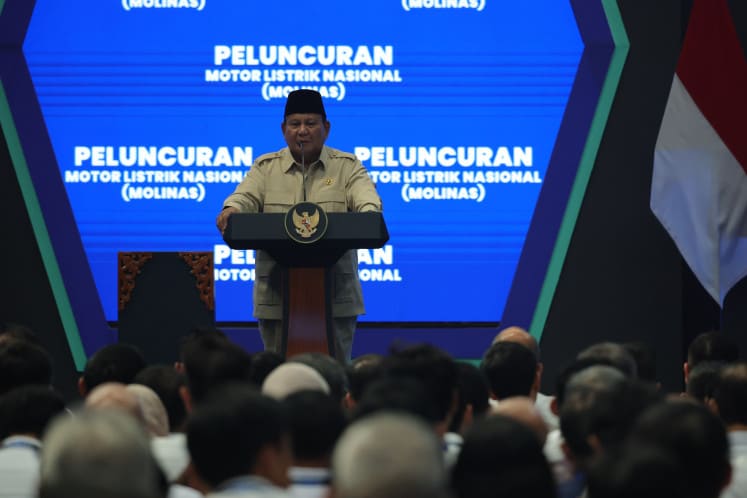
Indonesia has cut its electric motorcycle purchase incentive by more than half, dropping from Rp 7 million (USD 395) to Rp 3 million per unit, according to the Indonesian Electric Motorcycle Industry Association (Aismoli). The decision comes as President Prabowo Subianto announced a subsidy program for one million locally made electric motorcycles during his August 14 state budget address.
Aismoli public relations and event executive Ririn Rinawati Sinaga told a Jakarta business discussion on August 20 that the reduced incentive will affect consumer purchasing power and interest in switching to electric two-wheelers. The association had previously collaborated with Sebelas Maret University to study how different incentive levels influence market uptake, research it may now revisit to quantify the impact of the lower subsidy.
Indonesia's two-wheeler market is the third-largest in the world, with more than six million motorcycles sold annually. The country has positioned electric vehicle adoption as central to its energy security strategy and industrial policy, betting that localized production can create manufacturing jobs while reducing oil imports. Gasoline-powered motorcycles dominate Indonesian roads, making the segment a critical battleground for electrification.
Industry Prioritizes Regulatory Certainty Over Amount
While the subsidy cut raises concerns, Aismoli emphasized that regulatory clarity and implementation speed matter more than the incentive size. Ririn noted that the government has allocated a Rp 3 trillion budget for the program, but the timeline remains uncertain.
The association is calling for swift execution rather than debating the subsidy level. Industry players need to know when funds will be disbursed, how the application process works, and which models qualify. Without those details, manufacturers struggle to plan production runs and dealers cannot confidently promote electric inventory.
Indonesia's earlier electric motorcycle subsidy programs have faced delays and administrative bottlenecks, leaving both manufacturers and consumers in limbo. The previous Rp 7 million incentive, introduced in 2023, was suspended in late 2025 due to budget constraints, then reinstated at a lower level in early 2026 before the latest reduction.
Regional Context and Competitive Pressure
The subsidy adjustment comes as regional competitors ramp up their own electric two-wheeler programs. Vietnam has extended purchase incentives and is building out charging infrastructure in major cities, while Thailand offers corporate tax breaks for EV manufacturers and has attracted investment from Chinese battery makers.
Indonesia's lower incentive may widen the price gap between electric and conventional motorcycles, a critical factor in a price-sensitive market. Entry-level gasoline motorcycles in Indonesia retail for around Rp 15 million to Rp 18 million, while most electric models start above Rp 20 million before subsidies. A Rp 3 million rebate leaves electric options still significantly more expensive than their combustion counterparts.
Local manufacturers, including state-owned enterprises and private startups, have ramped up production capacity in anticipation of stronger government support. Several plants in West Java's Bekasi regency now produce electric motorcycles domestically, with President Prabowo visiting one facility on August 13 to launch what the government calls a national electric motorcycle ecosystem.
Budget Constraints and Policy Trade-Offs
The subsidy reduction reflects broader fiscal pressures. Indonesia's 2026 budget prioritizes infrastructure spending and social programs, leaving less room for large-scale consumer incentives. The government has also committed to keeping the fiscal deficit below three percent of GDP, a constitutional mandate that constrains discretionary spending.
Energy policymakers argue that subsidies should target infrastructure, such as battery swapping stations and charging networks, rather than direct consumer rebates. They contend that upfront incentives distort the market and create dependency, whereas infrastructure investment enables long-term adoption.
Industry groups counter that consumer incentives are essential to overcome the price barrier in the early adoption phase. They point to successful electric vehicle transitions in Norway, China, and parts of India, where generous subsidies helped build initial demand and allowed manufacturers to achieve economies of scale.
The debate over subsidy design will shape Indonesia's electric mobility trajectory. With one million units targeted under the current program, the government's choice of incentive level will determine whether adoption accelerates or stalls in the world's fourth-most-populous nation.
RELATED STORIES
Indonesia to Restart Electric Motorcycle Subsidies Next Month
Siti Nuraini · 3 min
Indonesia Pushes for EU Trade Deal Signing Ahead of Year-End Tariff Cliff
Priyanka V. Rao · 3 min
Mitsubishi Motors Shifts Strategy to US and Australia Markets
Aiko Nakamura · 3 min

Indonesia's Rice Prices Climb Despite Self-Sufficiency Claims and High Government Stocks
Siti Nuraini · 3 min
Spot something wrong? Email editor@briefasia.com. We log every correction publicly.