Travel & Dining · Trends
Three Korean Budget Airlines Consolidate Under Jin Air Brand
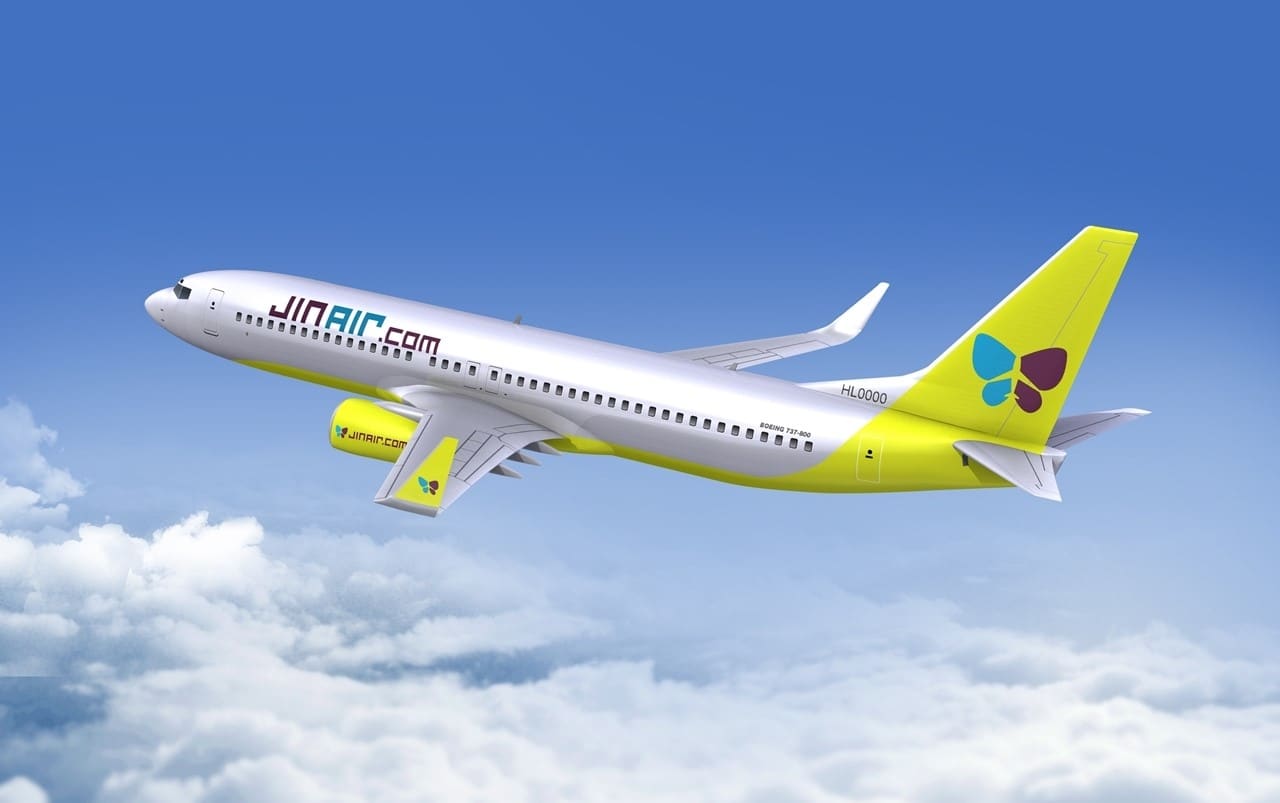
Hanjin Group's merger plan will create a single low-cost carrier from Jin Air, Air Busan, and Air Seoul by March 2027, following the Korean Air-Asiana combination.
KEY TAKEAWAYS
- ·Jin Air, Air Busan, and Air Seoul will merge into one carrier under the Jin Air brand by March 17, 2027, pending shareholder and regulatory approval.
- ·The consolidation follows the December 17 merger of parent carriers Korean Air and Asiana Airlines, creating Northeast Asia's largest airline group.
- ·Regulators will review competitive impacts, particularly on domestic and short-haul routes where the combined entity may hold dominant market share.
Three Carriers Become One
South Korea's low-cost aviation sector is about to shrink. Jin Air, Air Busan, and Air Seoul will operate as a single airline under the Jin Air name from March 17, 2027. The three budget carriers, all controlled by Hanjin Group, finalized the merger agreement last Friday after board approval at each company.
The consolidation will proceed in stages. Shareholder votes are scheduled for December, followed by regulatory reviews. If approvals come through on schedule, the combined carrier will begin operations in mid-March.
The timing is deliberate. Korean Air and Asiana Airlines, the parent companies of the three budget subsidiaries, are set to merge on December 17. That combination will create Northeast Asia's largest carrier by fleet size and one of the world's top-ten airlines by passenger volume. The low-cost merger follows three months later, tidying up the group structure once the flagship integration is complete.
Fleet and Network Implications
The merged entity will inherit aircraft and routes from all three brands. Jin Air currently operates a mix of Boeing 737s on regional routes across East and Southeast Asia. Air Busan, based in South Korea's second city, serves Japan, China, and domestic corridors. Air Seoul, the smallest of the trio, focuses on leisure destinations in Southeast Asia and Oceania.
Combining the fleets should yield network efficiencies and purchasing leverage. Budget carriers in the region have struggled with thin margins, volatile fuel costs, and inconsistent demand recovery since borders reopened. A single operating certificate, unified crew base, and consolidated maintenance schedule can trim overhead that three separate airlines cannot justify individually.
The move mirrors broader industry consolidation across Asia. Singapore's Scoot absorbed Tigerair in 2017. AirAsia has repeatedly discussed merging its national subsidiaries. Japan's Peach and Vanilla Air combined in 2019. Scale matters in low-cost aviation: larger fleets spread fixed costs, bigger networks attract corporate travel-management deals, and unified brands command better airport-slot treatment.
Regulatory Hurdles and Timeline
South Korea's competition authority will scrutinize the plan. The country's low-cost market is already concentrated, with Jin Air, Air Busan, Air Seoul, Jeju Air, and T'way Air accounting for most domestic and short-haul international capacity. Removing two brands from the market could raise concerns about route monopolies, particularly on thinner domestic corridors where only one or two carriers compete.
Regulators approved the Korean Air-Asiana merger after the carriers agreed to divest certain routes and slots to preserve competition. Similar conditions may attach to the budget-carrier consolidation, especially on routes where the merged entity would hold dominant market share.
The December shareholder meetings will test investor appetite. Minority shareholders in Air Busan and Air Seoul will receive Jin Air shares under an exchange ratio still being finalized. If the votes pass and regulators sign off, the operational cutover will happen in March, when reservation systems, loyalty programs, and crew rosters merge.
What It Means for Travelers
Passengers holding tickets on Air Busan or Air Seoul flights scheduled after March 17 will be re-booked onto Jin Air services. Loyalty-program members will likely see their miles and status transferred, though details have not been announced. Airport check-in counters and gate signage will switch to Jin Air branding.
The consolidation may simplify choices for travelers but could also reduce frequency on some routes if the merged carrier eliminates duplicate flights. Pricing power may increase on routes where competition thins, though South Korea's domestic market remains competitive thanks to Jeju Air and T'way Air.
For Hanjin Group, the merger caps a multi-year effort to streamline its aviation portfolio. The conglomerate has poured capital into Korean Air's Asiana acquisition and needs the low-cost arm to be profitable and manageable. Running one budget brand instead of three should make that easier, provided regulators and shareholders agree.
RELATED STORIES

South Korea Extends Fuel Price Caps as Middle East Tensions Lift Oil Markets
Cheng Wei-Lun · 3 min

LG Display Turns Profitable as LCD Exit Cuts Production Costs
Cheng Wei-Lun · 3 min

Samsung SDI Sells $3.2 Billion Display Unit Stake to Fund Battery Expansion
Jun-ho Seo · 3 min
South Korea Tests Arctic Shipping Lane as Middle East Conflict Disrupts Global Routes
Cheng Wei-Lun · 4 min
Spot something wrong? Email editor@briefasia.com. We log every correction publicly.