Asia · Politics
South Korea Extends Fuel Price Caps as Middle East Tensions Lift Oil Markets
Seoul maintains gasoline, diesel, and kerosene ceilings for another month while crude prices climb on geopolitical risk
KEY TAKEAWAYS
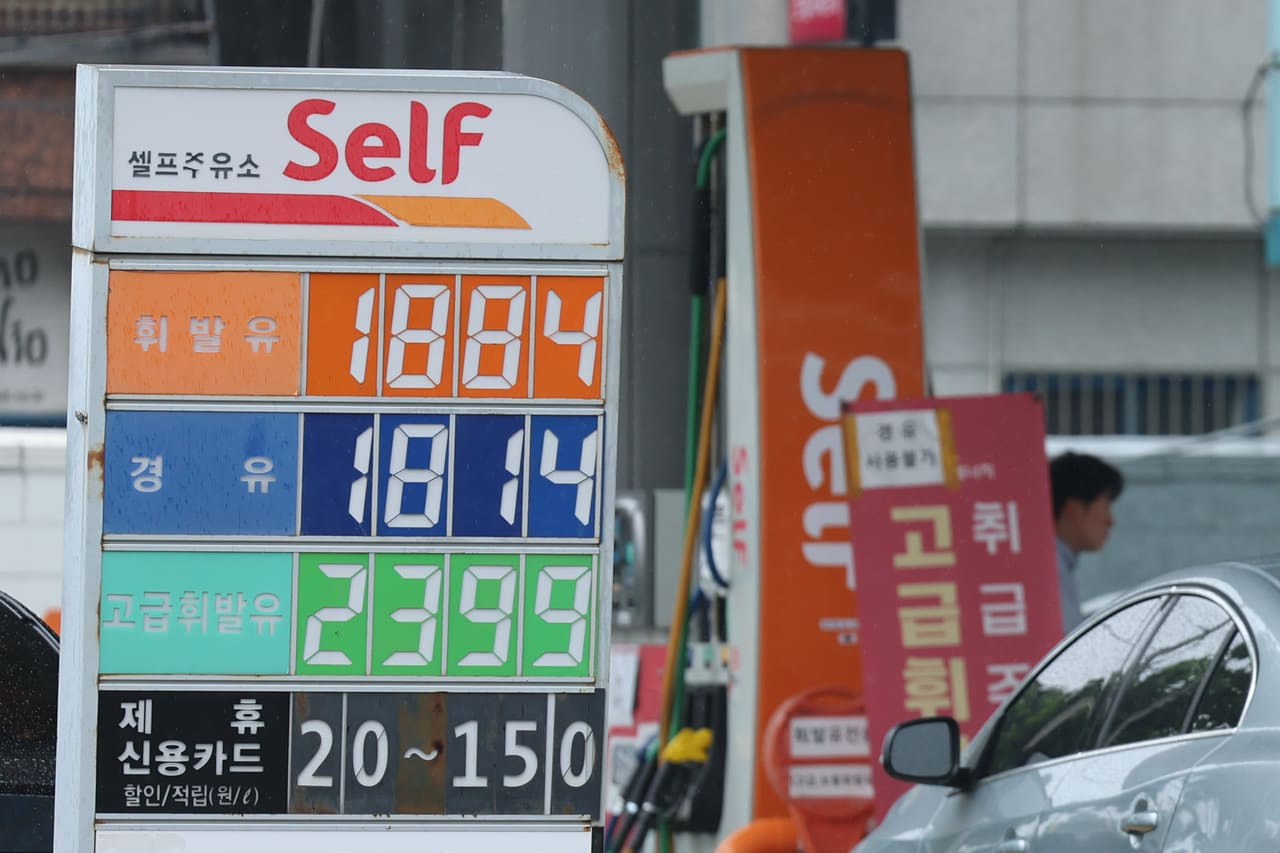
- ·South Korea will hold fuel price ceilings at 1,784 won per liter for gasoline and 1,773 won for diesel for another four weeks starting Saturday.
- ·The extension responds to rising global crude prices driven by renewed Middle East tensions that threaten to increase costs for Asian refiners.
- ·The cap policy protects consumers and businesses from price volatility but compresses refining margins when international oil costs climb.
Price Controls Remain in Place
South Korea will maintain its fuel price ceilings for an additional four weeks, the Ministry of Trade, Industry and Resources announced Friday. The caps apply to gasoline, diesel, and kerosene supplied by domestic refiners to retail stations across the country.
Starting Saturday, gasoline will remain capped at 1,784 won ($1.29) per liter, diesel at 1,773 won, and kerosene at 1,380 won. These figures match the previous four-week period's limits, according to the ministry.
The decision comes as renewed instability in the Middle East drives international crude benchmarks upward, threatening to push consumer fuel costs higher. Seoul's move reflects a broader pattern across Asia, where governments face mounting pressure to shield households and businesses from volatile energy markets while managing fiscal constraints.
Regional Energy Policy Context
South Korea's price ceiling mechanism represents one of several tools Asian governments deploy to manage fuel inflation. Unlike subsidies that directly compensate refiners or consumers, the ceiling system sets maximum wholesale prices that refiners can charge distributors. This approach limits retail price swings without requiring immediate budget outlays, though it compresses refining margins when global crude costs rise.
The policy carries particular weight in South Korea's export-driven economy, where transportation and logistics costs ripple through supply chains serving electronics, automotive, and petrochemical industries. Diesel price stability matters especially to freight operators and manufacturers, while gasoline caps affect household budgets in a country with high car ownership rates.
Japan and Thailand have employed similar short-term price controls during past oil shocks, though implementation details vary. South Korea's four-week review cycle allows officials to adjust caps more frequently than quarterly subsidy schemes common elsewhere in the region.
Oil Market Backdrop
Global crude prices have climbed in recent weeks amid supply concerns tied to Middle Eastern geopolitical developments. Brent crude futures, a benchmark for Asian refiners, have traded above levels seen earlier this summer, tightening margins for companies that must purchase crude on international markets while selling refined products at capped domestic prices.
South Korean refiners including SK Innovation, GS Caltex, and S-Oil import the majority of their crude feedstock, making them sensitive to both price levels and currency fluctuations. The won's recent stability against the dollar has offered some relief, but sustained high crude costs could eventually force either cap adjustments or compensatory measures for refiners.
The ministry's announcement did not specify how long the ceiling policy will remain active or what crude price threshold might trigger a review. Previous extensions have followed similar patterns, with four-week increments allowing flexibility to respond to market shifts without committing to long-term subsidies.
Implications for Consumers and Industry
For South Korean consumers, the freeze provides near-term predictability at the pump. Gasoline prices at Seoul-area stations have hovered near the ceiling in recent weeks, meaning most drivers already pay close to the maximum allowed rate. The cap prevents sudden spikes but does not guarantee prices will fall if crude markets soften.
Refiners, meanwhile, face a margin squeeze if crude costs continue rising. The wholesale price caps limit their ability to pass through higher input costs, potentially affecting profitability in the third quarter. Analysts will watch whether extended caps lead to supply adjustments or calls for government support.
The broader energy policy landscape in Asia remains fluid. China continues to manage fuel prices through state-owned refining giants, while India adjusts excise duties to smooth retail volatility. South Korea's ceiling approach sits between these models, offering market participants some predictability without full price liberalization.
As the four-week extension begins, oil traders and policymakers across the region will monitor both Middle Eastern developments and demand trends heading into autumn. Any significant escalation in supply disruptions could force Seoul to reconsider the balance between consumer protection and refiner viability, a calculus familiar to energy ministries throughout Asia.
RELATED STORIES
South Korea's August Exports Jump on Record Chip Sales
Cheng Wei-Lun · 3 min
South Korea Tests Arctic Shipping Lane as Middle East Conflict Disrupts Global Routes
Cheng Wei-Lun · 4 min
US-Blacklisted Chinese Nuclear Firm Operates Five Power Plants in South Korea
Cheng Wei-Lun · 3 min
Hyundai Workers Launch First Full-Day Strike in a Decade
Jun-ho Seo · 2 min
Spot something wrong? Email editor@briefasia.com. We log every correction publicly.