Asia · Politics
US-Blacklisted Chinese Nuclear Firm Operates Five Power Plants in South Korea
China General Nuclear Power Corporation runs facilities with 2.2 GW capacity despite American sanctions over alleged technology theft
KEY TAKEAWAYS
- ·China General Nuclear Power Corporation operates five power plants in South Korea generating 2.2 gigawatts despite US sanctions for alleged nuclear technology theft.
- ·The facilities provide a Chinese state firm with operational access to energy infrastructure supporting civilian and military installations in a key US ally.
- ·Seoul has not publicly indicated whether it will review CGN's role amid intensifying US-China technology competition and allied infrastructure security scrutiny.
Chinese State Energy Giant Maintains South Korean Grid Access
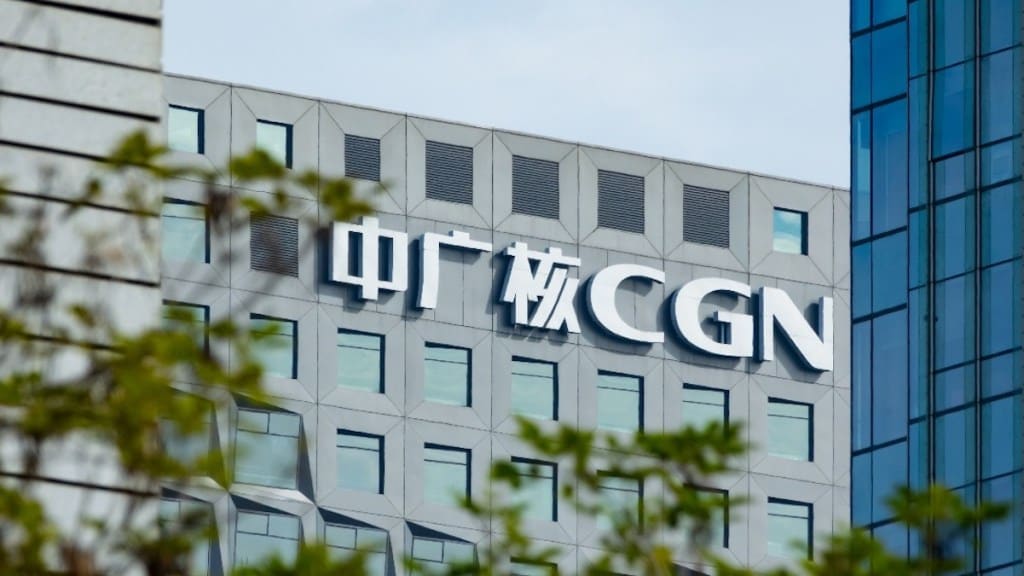
China General Nuclear Power Corporation (CGN), a state-owned enterprise facing US sanctions for nuclear technology theft, currently operates five power generation facilities across South Korea. The plants collectively produce 2.2 gigawatts of electricity, feeding directly into the national power grid.
The US government placed CGN on its Entity List, effectively blacklisting the firm from accessing American technology and partnerships. Washington cited the company's involvement in efforts to acquire restricted nuclear secrets through illicit channels. Despite these sanctions, CGN maintains operational control over substantial energy infrastructure on the Korean Peninsula.
Grid Vulnerability and Strategic Concerns
South Korea's decision to permit CGN access to critical power infrastructure raises questions about supply chain security in a region hosting significant US military installations. The arrangement grants a Chinese state entity operational visibility into energy distribution networks that support both civilian and defense requirements.
The five facilities under CGN management represent a meaningful portion of South Korea's distributed generation capacity. Energy infrastructure has emerged as a focal point in technology competition between Beijing and Washington, with both capitals viewing grid control as strategically significant.
Seoul's energy policy has historically prioritized diversification of fuel sources and generation partners to ensure supply stability. The CGN arrangement predates recent escalation in US-China technology restrictions, though Washington has expanded export controls and investment screening mechanisms affecting energy and dual-use technologies.
Regional Energy Security Calculus
South Korea imports nearly all its fossil fuel requirements and has pursued nuclear power expansion to reduce dependence on external energy suppliers. The country operates 24 commercial nuclear reactors and has sought international partnerships to maintain its civil nuclear program.
CGN ranks among the world's largest nuclear operators, managing more than 50 reactors globally. The company has pursued international expansion through equity stakes, construction contracts, and operational agreements in markets including the UK, Romania, and several Southeast Asian nations.
The US blacklisting of CGN stems from a 2016 indictment alleging the company conspired to recruit American engineers to provide restricted reactor design information. Federal prosecutors charged that CGN sought to accelerate development of advanced nuclear technology by circumventing export control regulations.
Policy Crossroads
Seoul faces competing pressures as it navigates energy security, alliance commitments, and commercial relationships. The government has not publicly addressed whether CGN's operational role will be reviewed in light of US sanctions or broader technology security considerations.
Washington has encouraged allies to scrutinize Chinese participation in critical infrastructure sectors, particularly telecommunications, energy, and transportation networks. Several European governments have imposed restrictions on Chinese involvement in 5G networks and port operations following American diplomatic engagement.
South Korea maintains a complex economic relationship with China, its largest trading partner, while hosting nearly 30,000 US troops under a mutual defense treaty. Energy infrastructure decisions increasingly intersect with this strategic balancing act, particularly as technology decoupling accelerates between the world's two largest economies.
The 2.2 GW of generation capacity under CGN control represents roughly three percent of South Korea's total installed power generation, according to industry data. While not dominant, the footprint provides operational insight into grid management and demand patterns that both commercial competitors and national security planners consider sensitive.
As regional tensions over technology access intensify, energy infrastructure is likely to receive greater scrutiny from policymakers in Seoul, Washington, and Beijing. The CGN case illustrates how legacy commercial arrangements can become friction points when geopolitical priorities shift faster than infrastructure ownership structures.
RELATED STORIES
South Korea Tests Arctic Shipping Route to Europe as Ice Melts
Cheng Wei-Lun · 2 min
Nvidia's Madison Huang Tours Asia Robotics Hubs in Seoul and Beijing
Cheng Wei-Lun · 3 min
Homeplus Pushes Break-Even Target to 2029 in Restructuring Setback
Jun-ho Seo · 2 min

South Korea Tests Low-Cost Attack Drones as North Expands Fleet
Jun-ho Seo · 3 min
Spot something wrong? Email editor@briefasia.com. We log every correction publicly.