Asia · Trade
South Korea Tests Arctic Shipping Route to Europe as Ice Melts
Seoul launches container voyage through thawing northern passage, navigating both climate change and geopolitical tensions with Western partners
KEY TAKEAWAYS
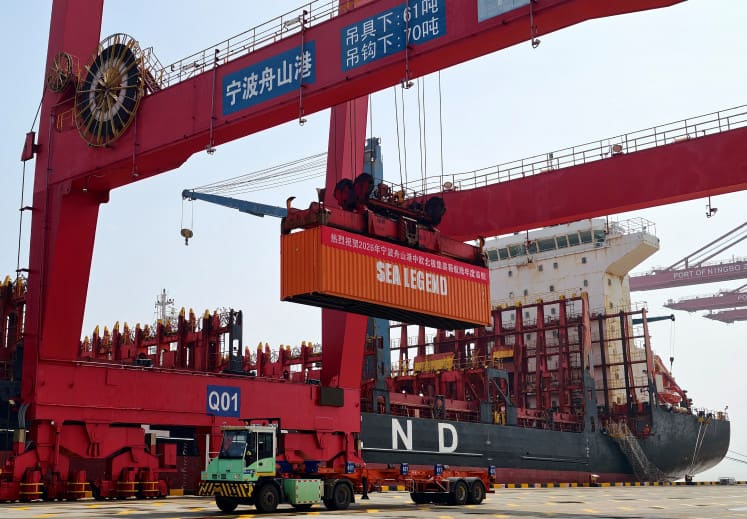
- ·South Korea dispatches a container ship Saturday via Arctic route to Europe, testing whether melting sea ice has created a commercially viable alternative that cuts up to two weeks off traditional Suez passage.
- ·The voyage requires Russian cooperation for navigation along Siberia's Northern Sea Route, creating diplomatic tension with Western allies maintaining sanctions against Moscow.
- ·Success could accelerate Northeast Asian investment in ice-class vessels and Arctic infrastructure, while failure may delay adoption until further ice retreat or technology advances.
A New Corridor Opens in the North
South Korea will dispatch a container ship Saturday on an Arctic passage to Europe, marking a significant test of whether climate-driven sea-ice retreat has created a commercially viable alternative to traditional southern routes. The voyage represents both an economic opportunity and a diplomatic complication for Seoul, as navigating the Arctic corridor requires cooperation with Russia at a time when Western nations maintain stringent sanctions against Moscow.
The departure comes as Arctic sea ice continues its decades-long decline, opening seasonal shipping lanes that dramatically shorten distances between Asian manufacturing hubs and European markets. The northern route can cut transit time by up to two weeks compared to the Suez Canal passage, potentially reducing fuel costs and improving supply chain efficiency for exporters.
Commercial Logic Meets Geopolitical Reality
South Korean officials have framed the voyage as an exploratory commercial exercise, assessing the practical feasibility of Arctic navigation for container shipping. The route demands specialized ice-capable vessels, precise weather forecasting, and coordination with Russian authorities who control key sections of the Northern Sea Route along Siberia's coast.
This Russian involvement creates friction with South Korea's traditional Western allies, particularly the United States and European Union, who have implemented sweeping economic restrictions on Moscow following its actions in Ukraine. While Seoul has aligned with many Western sanctions, its exploration of Arctic shipping reveals the complex calculations Asian economies face when balancing strategic partnerships with commercial imperatives.
The test voyage will generate data on ice conditions, port infrastructure, navigation costs, and logistical challenges that determine whether the Arctic route can compete with established corridors. Container shipping requires reliability and predictability, factors that remain uncertain in an environment where ice coverage varies seasonally and climate patterns continue shifting.
Regional Implications for Asian Trade
If proven viable, Arctic routes could reshape competitive dynamics among Asian exporters. China has already declared itself a "near-Arctic state" and invested heavily in icebreaker fleets and port facilities along the northern corridor. Japan and South Korea, both major manufacturing exporters with limited natural Arctic access, face strategic decisions about whether to pursue similar capabilities or risk falling behind in transit efficiency.
The route also carries environmental considerations. While shorter distances reduce overall fuel consumption and emissions per voyage, increased Arctic shipping raises concerns about black carbon deposits on ice, marine ecosystem disruption, and accident response capabilities in remote, fragile environments. International maritime regulations for polar waters remain under development, creating regulatory uncertainty for companies planning long-term Arctic operations.
What Comes Next
The South Korean vessel's journey will be closely monitored by shipping industry analysts, government officials, and environmental groups. Success would likely accelerate investment in ice-class container ships and Arctic port infrastructure across Northeast Asia. Failure or significant operational challenges could delay broader commercial adoption until climate change further reduces ice coverage or technology advances.
For Seoul, the voyage represents a calculated probe of new trade corridors that balance economic opportunity against alliance management. How Western partners respond to South Korean engagement with Russian-controlled Arctic routes may set precedents for other Asian economies weighing similar calculations as northern passages become increasingly navigable.
RELATED STORIES
South Korea Tests Arctic Shipping Lane to Europe as Geopolitical Tensions Rise
Cheng Wei-Lun · 3 min
South Korea's Hanwha Secures First US Army Artillery Contract
Jun-ho Seo · 4 min

Seoul Rejects Chip Investment Reports Amid Washington Trade Talks
Cheng Wei-Lun · 2 min
Korean Beauty Firm APR Eyes $357 Million European Revenue as Amazon Push Pays Off
Cheng Wei-Lun · 2 min
Spot something wrong? Email editor@briefasia.com. We log every correction publicly.