Asia · Trade
South Korea Tests Arctic Shipping Lane to Europe as Geopolitical Tensions Rise
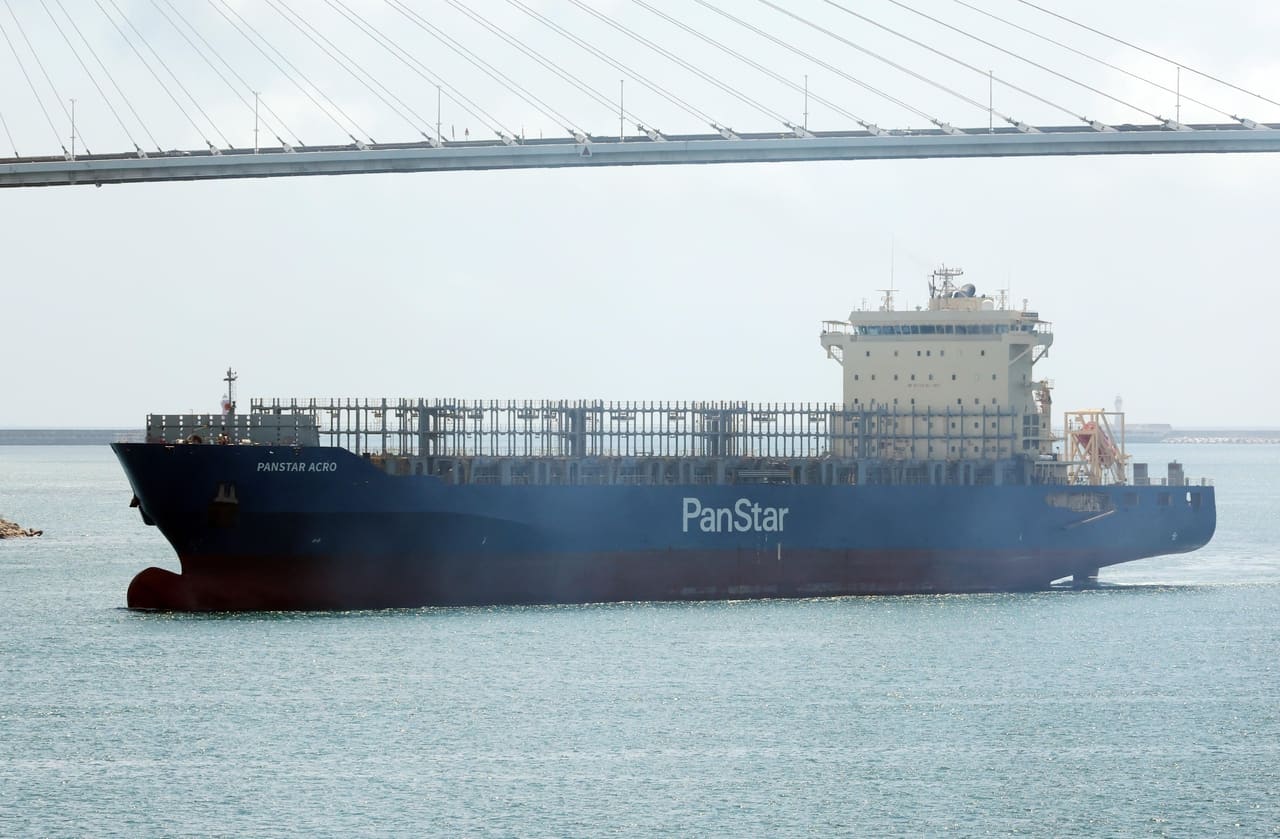
A container vessel departs Saturday on Seoul's first commercial trial of the Northern Sea Route, a move requiring Russian collaboration that may complicate ties with Western allies.
KEY TAKEAWAYS
- ·A South Korean container ship departs Saturday on the nation's first commercial Arctic trial, joining China and Russia in testing the Northern Sea Route to Europe.
- ·The passage can cut Asia-Europe transit distances by 40 percent but requires Russian permits and icebreaker support, creating diplomatic friction with Western allies.
- ·Success could reshape Asian logistics to Europe, though seasonal ice limits, higher insurance costs, and environmental risks remain significant hurdles.
A New Corridor Opens
A South Korean container vessel sets sail Saturday on a voyage that will test whether the Arctic can offer a commercially viable shortcut to European markets. The trial represents Seoul's inaugural attempt to send cargo through northern waters, a passage that has become navigable as sea ice retreats but remains fraught with logistical and diplomatic complexity.
The route places South Korea alongside China and Russia as one of the few nations whose shipping companies have explored or operated cargo services through the Arctic corridor. For Seoul, the experiment carries dual significance: it promises shorter transit times and lower fuel costs compared to traditional routes through the Suez Canal, yet it demands collaboration with Moscow at a moment when Western capitals are pressing Asian partners to limit Russian engagement.
The Economics of Ice
Traditional container shipping from Asia to Europe relies on southerly routes that thread through the Malacca Strait, across the Indian Ocean, and up through the Red Sea and Suez Canal. The journey typically spans 10,000 nautical miles and consumes three to four weeks. The Northern Sea Route, which hugs Russia's Arctic coastline, can cut that distance by roughly 40 percent, translating to fuel savings and faster turnaround for vessels.
Yet the economics remain uncertain. Arctic voyages are constrained by seasonal ice windows, typically July through November, and require specialized ice-class vessels or icebreaker escorts. Insurance premiums run higher due to limited search-and-rescue infrastructure, and port facilities along the route are sparse. South Korea's trial will generate real-world data on whether these costs offset the distance advantage.
Chinese shipping firms have conducted similar experiments over the past decade, with state-owned COSCO running occasional Arctic voyages to test operational feasibility. Russia has promoted the Northern Sea Route as a strategic alternative to Suez, investing in icebreaker fleets and port upgrades along its northern coast. For Moscow, the route offers both revenue from transit fees and geopolitical leverage as climate change reshapes global shipping lanes.
Diplomatic Friction
The timing of South Korea's Arctic venture complicates its position within the U.S.-led alliance structure in Asia. Washington and European capitals have imposed sweeping sanctions on Russian energy, finance, and technology sectors following Moscow's actions in Ukraine. While those measures do not explicitly prohibit Arctic shipping, they have created a broader expectation that allied nations will minimize economic entanglement with Russia.
Seoul has walked a careful line, supporting United Nations resolutions on Ukraine while maintaining trade channels that include energy imports. An Arctic shipping route, however, requires more than passive trade. Vessels transiting Russian territorial waters must obtain permits from Moscow, pay navigation fees, and often rely on Russian icebreaker services. This operational dependence gives Moscow both revenue and a degree of control over a corridor that could reshape Asian-European logistics.
South Korean officials have not publicly detailed the terms under which Saturday's vessel will transit Russian waters, nor have they disclosed which shipping company is conducting the trial. The discretion likely reflects sensitivity to potential pushback from Washington and Brussels, both of which have pressed Seoul to align more closely with Western positions on Russia.
Regional Implications
If South Korea's trial proves commercially successful, it could accelerate interest among other Asian shipping nations. Japan has studied Arctic routes but has not yet launched a commercial trial. Southeast Asian exporters, particularly Vietnam and Thailand, could benefit indirectly if South Korean or Chinese carriers establish regular Arctic services that lower Europe-bound freight costs.
The environmental dimension adds another layer. Reduced sea ice is the result of warming Arctic temperatures, a trend that climate scientists link to broader global emissions. Increased shipping through the region brings risks of oil spills, marine traffic disruption to Arctic ecosystems, and black carbon emissions that accelerate ice melt. International bodies including the International Maritime Organization have begun drafting regulations for Arctic shipping, but enforcement remains uneven.
For now, the focus in Seoul will be on operational performance: whether the vessel completes the passage on schedule, how much fuel it saves, and what unforeseen costs emerge. Those answers will shape whether South Korea pursues the Arctic route as a regular channel or files the experiment as a one-time trial in a rapidly changing geopolitical and environmental landscape.
RELATED STORIES
South Korea's Hanwha Secures First US Army Artillery Contract
Jun-ho Seo · 4 min
Seoul Rejects Chip Investment Reports Amid Washington Trade Talks
Cheng Wei-Lun · 2 min

Seoul Races to Salvage $200 Billion US Investment Rollout
Cheng Wei-Lun · 3 min

Seoul Finance Chief Pitches Manufacturing and AI Strengths to US Executives
Cheng Wei-Lun · 3 min
Spot something wrong? Email editor@briefasia.com. We log every correction publicly.