Asia · Business
Korean Beauty Firm APR Eyes $357 Million European Revenue as Amazon Push Pays Off
The K-beauty maker reported Europe now accounts for 17 percent of group sales, with digital channels driving eightfold growth in six months
KEY TAKEAWAYS
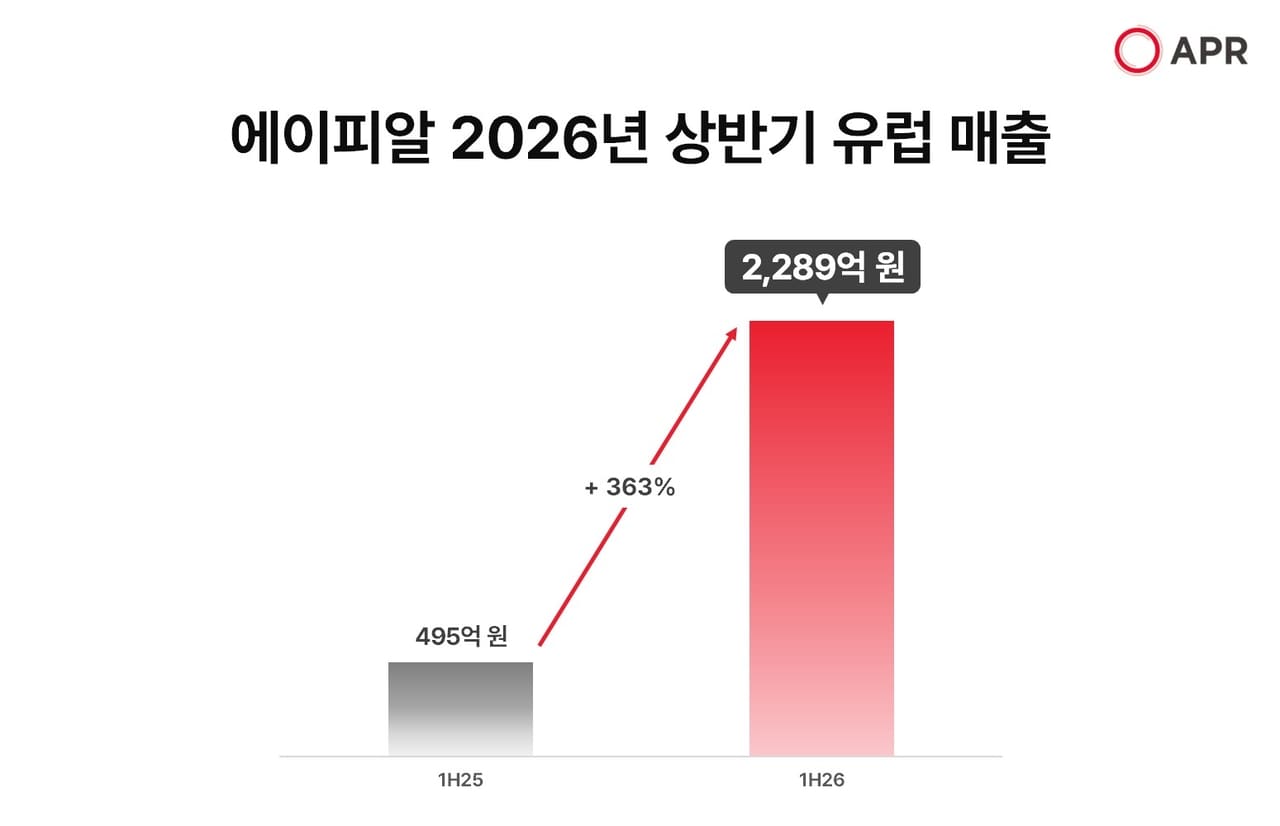
- ·Korean beauty company APR generated 228.9 billion won in European sales during the first half of 2026, representing 17 percent of total group revenue.
- ·Sales across APR's five Amazon storefronts in the UK, France, Germany, Italy and Spain increased more than eightfold on average between January and June.
- ·The company is targeting 500 billion won in full-year European revenue as it expands through Amazon and Sephora to diversify beyond Asian markets.
Digital Channels Drive European Surge
Korean beauty manufacturer APR posted European sales of 228.9 billion won in the first six months of 2026, the company disclosed Wednesday. The figure represents roughly 17 percent of consolidated revenue and marks a significant milestone in the firm's overseas expansion strategy.
The Seoul-based company has been building distribution across both digital and physical retail in the region, with particular momentum on e-commerce platforms. APR launched dedicated storefronts on Amazon in five European markets in late 2025, covering the United Kingdom, France, Germany, Italy and Spain.
Those channels delivered sharp acceleration through the first half. Average sales across the five Amazon stores climbed more than eightfold between January and June, according to APR. The ramp underscores growing recognition of Korean skincare and color cosmetics among European consumers, a demographic that has historically favoured established French and American beauty brands.
Targeting Half-Trillion Won by Year-End
APR is now aiming for 500 billion won in annual European revenue, a target that would require the region to sustain its current run rate through the second half. Reaching that threshold would cement Europe as a core pillar alongside the company's home market and other established territories in Asia.
The company has not broken out profitability for the European segment, but the velocity of online growth suggests relatively low customer-acquisition costs compared with traditional retail buildouts. Amazon's logistics infrastructure and established shopper base allow brands to scale quickly without the capital intensity of owned storefronts or exclusive distribution agreements.
Beyond Amazon, APR has been expanding its footprint with specialty beauty retailers. The company confirmed it is also selling through Sephora, the LVMH-owned chain with more than 2,600 stores globally. Sephora has been a key gateway for Korean brands seeking premium shelf space in Europe and North America, offering higher visibility than mass-market drugstores.
Korean Beauty's European Beachhead
The European push reflects broader ambitions among Korean beauty companies to diversify revenue beyond Asia. Domestic competition has intensified, and growth in China remains uneven amid shifting consumer sentiment and regulatory complexity. Europe, by contrast, offers a large addressable market, relatively open e-commerce infrastructure, and rising appetite for innovative formulations and accessible price points.
APR's trajectory mirrors moves by larger peers including Amorepacific and LG Household & Health Care, both of which have stepped up investment in European marketing and distribution over the past three years. The category benefits from Korea's manufacturing scale, rapid product cycles, and brand equity built through entertainment exports and social-media influence.
Still, sustaining momentum will require more than digital shelf space. European consumers tend to be loyal to heritage brands, and regulatory requirements around ingredient disclosure and sustainability claims are stricter than in many Asian markets. APR will need to balance volume growth with brand-building and compliance as it scales toward the half-trillion-won target.
The company's H1 performance suggests it has found traction. Whether that translates into durable market share will depend on execution through the critical holiday shopping season and the ability to convert trial into repeat purchase across multiple channels.
RELATED STORIES
Cosmax Records Best Quarter as US Operations Turn Profitable
Cheng Wei-Lun · 2 min

South Korea Tests Arctic Shipping Lane to Europe as Geopolitical Tensions Rise
Cheng Wei-Lun · 3 min

South Korea's Hanwha Secures First US Army Artillery Contract
Jun-ho Seo · 4 min

Seoul Rejects Chip Investment Reports Amid Washington Trade Talks
Cheng Wei-Lun · 2 min
Spot something wrong? Email editor@briefasia.com. We log every correction publicly.