Asia · Business
Telekom Malaysia Eyes Role in National Submarine Cable Project
Malaysia's largest telco signals interest in the Salam initiative, designed to link Peninsular Malaysia with Sabah and Sarawak through a new subsea network
KEY TAKEAWAYS
- ·Telekom Malaysia has expressed interest in the Salam submarine cable project, which will connect Peninsular Malaysia with Sabah and Sarawak under a national infrastructure initiative.
- ·The Malaysian Communications and Multimedia Commission invited proposals in mid-July under the Universal Service Provision framework, with the project still in early planning stages.
- ·Telekom Malaysia reported positive growth across its consumer, enterprise, and wholesale divisions in the first half of 2026 and expects momentum to continue.
National Backbone Ambitions
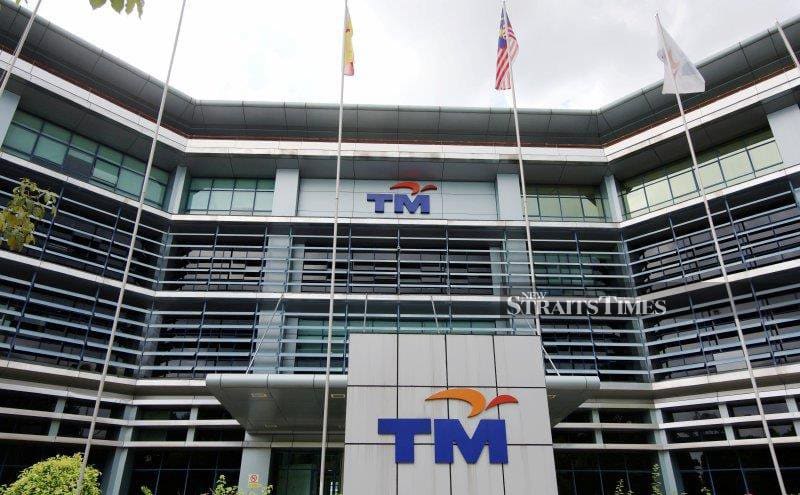
Telekom Malaysia, the country's incumbent telecommunications operator, has signaled its intent to play a role in Malaysia's Madani Submarine Cable Connection initiative, known as Salam. The project is designed to establish a new subsea cable system linking Peninsular Malaysia with the eastern states of Sabah and Sarawak, creating what officials describe as a more resilient and geographically diverse domestic network.
Datuk Amar Huzaimi Md Deris, group chief executive officer of Telekom Malaysia, confirmed the company's interest during a press briefing on the operator's second-quarter results. He pointed to the strategic value of enhanced connectivity between Malaysia's western and eastern regions, though he declined to specify whether the company had formally submitted a proposal.
The Malaysian Communications and Multimedia Commission opened the invitation process for eligible licensees in mid-July, seeking draft proposals under the Universal Service Provision framework. The initiative is classified as a strategic national project, reflecting Kuala Lumpur's broader push to narrow infrastructure gaps between the peninsula and Borneo territories.
Early-Stage Planning
Deputy Communications Minister Teo Nie Ching has previously stated that Salam remains in early planning, with MCMC having appointed a consultant to guide development. No timeline for vendor selection or construction has been publicly disclosed.
For Telekom Malaysia, participation would align with its existing footprint in both fixed-line and subsea infrastructure. The company operates a portfolio of domestic and international cable assets, including landings in Southeast Asia's key submarine cable routes. Involvement in Salam could reinforce its position as a national infrastructure provider while diversifying revenue streams beyond consumer broadband.
Business Momentum Across Segments
Amar Huzaimi also noted positive performance across Telekom Malaysia's three core business lines during the first half of the year. Unifi, the consumer broadband brand, TM One, which serves enterprise customers, and TM Global, the wholesale and international arm, have all recorded growth, according to the CEO. He expressed confidence that this trajectory would continue through the second half of 2026.
The operator's interest in Salam comes as Southeast Asian governments increasingly prioritize digital infrastructure investment. Malaysia has lagged behind neighbors such as Singapore and Thailand in terms of international connectivity density, particularly for eastern states. Sabah and Sarawak, resource-rich but historically underserved in digital infrastructure, have become focal points for national broadband policy.
Regional Context
The Salam project fits within a broader pattern of state-led subsea cable initiatives across Asia. Indonesia has pursued its Palapa Ring to connect its sprawling archipelago, while the Philippines has rolled out a national broadband plan anchored by new cable systems. In each case, governments have sought to reduce dependence on legacy routes and improve redundancy.
For Malaysia, the imperative is both economic and political. Sabah and Sarawak together account for roughly 60 percent of Malaysia's landmass but a smaller share of GDP. Digital connectivity is seen as essential to unlocking economic potential in sectors such as tourism, agriculture, and resource extraction.
Whether Telekom Malaysia ultimately secures a role in Salam will depend on MCMC's evaluation criteria, which have not been fully disclosed. The regulator is expected to prioritize technical capability, financial strength, and alignment with national policy objectives. Given Telekom Malaysia's status as the dominant fixed-line operator and its government ownership stake, it is widely viewed as a frontrunner, though private consortia and regional players may also bid.
The project's timeline and capital requirements remain uncertain. Subsea cable systems linking distant geographies typically require multi-year construction windows and significant upfront investment, often running into hundreds of millions of dollars depending on route length and capacity specifications.
RELATED STORIES

Malaysia Shields Proton Despite Geely's Stake in Automaker
Priyanka V. Rao · 3 min

Energy Infrastructure Deals Climb in Southeast Asia Amid AI Demand and Security Concerns
Cheng Wei-Lun · 4 min
Malaysia's Political Flux Tests Investor Appetite Amid Foreign Outflows
Priyanka V. Rao · 2 min
Malaysia Faces Compliance Squeeze After US Flags Transshipment Risk
Priyanka V. Rao · 3 min
Spot something wrong? Email editor@briefasia.com. We log every correction publicly.