Asia · Trade
Malaysia Faces Compliance Squeeze After US Flags Transshipment Risk
Washington's Tier 2 classification threatens higher costs and tighter scrutiny for exporters in electronics, furniture, and solar sectors reliant on American markets.
KEY TAKEAWAYS
- ·The United States classified Malaysia as Tier 2 transshipment risk, triggering stricter customs checks and higher compliance costs for exporters in electronics, furniture, and solar sectors.
- ·Malaysia exported RM198.9 billion to the US in 2024, with electronics accounting for 60.4 percent, making sectors vulnerable to origin audits and potential anti-circumvention duties of 40 percent or more.
- ·Authorities must demonstrate visible enforcement against tariff evasion, implement digital origin certificates, and establish bilateral cooperation with US Customs to prevent escalation to country-wide punitive tariffs.
Higher Scrutiny, Rising Costs
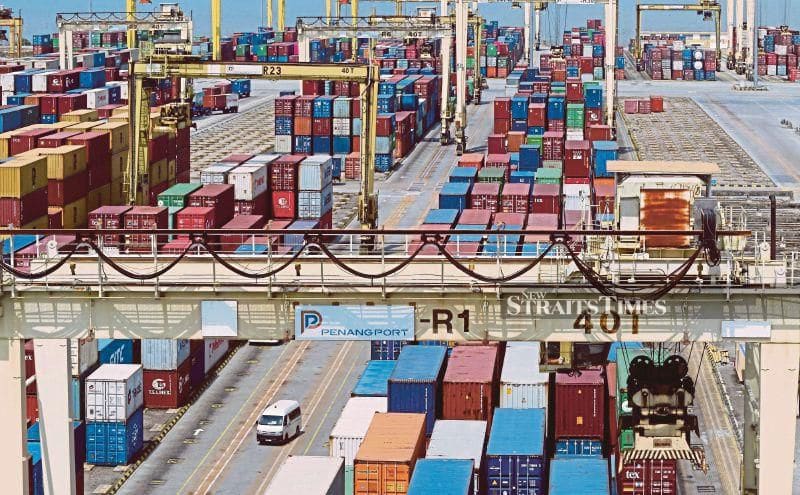
Malaysia now faces intensified customs scrutiny and escalating compliance expenses after Washington designated the country as a Tier 2 risk for illegal transshipment of China-linked goods. The classification, announced mid-August by the White House Office of Trade and Manufacturing Policy, places Malaysia alongside Brazil, Indonesia, Thailand, Turkey, and Vietnam in a group of nations suspected of facilitating tariff evasion.
The designation stems from Malaysia's deep-water port infrastructure, established manufacturing corridors, and free trade zones, which US authorities believe could serve as conduits for rerouting Chinese products to circumvent American tariffs. The White House report specifically identified the Penang-Kulim industrial corridor and Port Klang Free Zone as potential transshipment nodes.
According to the White House analysis, global illegal transshipment flows range between $40 billion and $303 billion annually, with the US Commerce Department estimating lost customs revenue at approximately $28 billion per year. Malaysia's role in these networks, the report suggests, spans both manufacturing operations and logistics handling.
Immediate Commercial Impact
The classification carries immediate operational consequences for Malaysian exporters. US importers are expected to demand additional documentation, including non-preferential Certificates of Origin, factory audits, and enhanced proof of manufacturing location. This documentation burden will drive up compliance costs across multiple sectors.
Industries with significant US exposure face particular vulnerability. Malaysia exported RM198.9 billion in goods to the United States in 2024, with electrical and electronics products comprising 60.4 percent of that total. The furniture sector sent roughly half of its RM9.89 billion in exports to American buyers, making it especially sensitive to tighter origin verification.
Solar products, rubber gloves, and plastic components also face heightened risk. Washington specifically flagged Malaysia, alongside Vietnam, Thailand, and Cambodia, for alleged circumvention involving Chinese-origin solar cells and modules subject to US anti-dumping and countervailing duties.
Multinational companies may pause or redirect orders to alternative locations to avoid potential delays at US Customs and Border Protection checkpoints. Such diversions would hit industrial hubs in Penang, Kulim, and Senai, where electronics and component manufacturing clusters operate.
Escalation Path
The Tier 2 label functions as a warning rather than an immediate penalty. However, if US authorities uncover evidence of systematic tariff evasion, they can impose anti-circumvention duties on specific tariff codes. These duties often add 40 percent or more to shipment values, matching Chinese tariff rates.
Cargo moving through free trade zones will face stricter audit procedures. US authorities are deploying technology to identify shipments considered higher risk, focusing on goods that undergo minor assembly, relabeling, or other processes that fail to meet substantial transformation standards.
If violations persist systemically, Washington retains the option to upgrade Malaysia's risk status or invoke Section 301 authority to implement country-wide punitive tariffs. Such measures would extend beyond individual companies to affect entire export categories.
Reputational and Investment Concerns
Beyond operational costs, the designation threatens Malaysia's positioning as a "China+1" manufacturing alternative. Investors seeking to diversify supply chains away from China may perceive Malaysia as a higher-risk location if the country becomes associated with transshipment activities.
This reputational concern affects investment flows into electronics, solar manufacturing, and other export-oriented sectors. Port Klang Free Zone has rejected suggestions that Chinese-linked businesses or cargo at the facility constitute evidence of tariff evasion, emphasizing its operation under regulated customs and trade compliance frameworks.
Enforcement and Engagement
Malaysian authorities face pressure to demonstrate visible enforcement against companies involved in tariff evasion. Recommended measures include raids, blacklisting of non-compliant entities, and public disclosure of transshipment cases. Digital certificates of origin with enhanced traceability could strengthen verification processes.
Mandatory origin audits for US-bound goods would add another layer of oversight. Direct engagement with US Customs and Border Protection through higher-level negotiations, data sharing, joint audits, and action against shell companies operating in free trade zones could help de-escalate tensions.
Centralizing non-preferential Certificate of Origin issuance under the Investment, Trade and Industry Ministry with clear local value-added rules would prevent simple repackaging schemes. A formal bilateral duty evasion cooperation agreement with US authorities could facilitate real-time shipment data sharing and coordinated enforcement.
The stakes are substantial. Malaysia's export relationship with the United States spans multiple high-value sectors, and any escalation from heightened inspections to targeted tariffs would disrupt supply chains and investor confidence. Swift action to tighten customs enforcement and trade verification will determine whether the Tier 2 classification remains a warning or escalates into broader trade restrictions.
RELATED STORIES
Asian Routes Become Conduit for Billions in Tariff Evasion
Cheng Wei-Lun · 3 min
Hainan's Free Trade Port Strategy Targets Deeper ASEAN Supply Chain Integration
Cheng Wei-Lun · 2 min
China-ASEAN Trade Jumps to $643 Billion in First Half of 2026
Cheng Wei-Lun · 3 min

Cosco Shipping Targets Three Southeast Asian Markets in Regional Push
Cheng Wei-Lun · 3 min
Spot something wrong? Email editor@briefasia.com. We log every correction publicly.