Asia · Business
Cosco Shipping Targets Three Southeast Asian Markets in Regional Push
Singapore-listed logistics firm eyes Malaysia, Vietnam, and Indonesia as Chinese trade flows and manufacturing shift reshape supply chains
KEY TAKEAWAYS
- ·Cosco Shipping International (Singapore) will invest in Malaysia, Vietnam, and Indonesia through 2031, targeting logistics infrastructure as manufacturing diversifies across Southeast Asia.
- ·The Singapore-listed firm reported revenue of SGD 96.8 million for the first half of 2026, with integrated logistics contributing 88 percent and growing 5.6 percent year-on-year.
- ·China-Southeast Asia trade exceeded USD 1 trillion in 2025, driving demand for end-to-end logistics solutions as manufacturers seek stable, integrated supply chains over single-service providers.
Expansion Blueprint
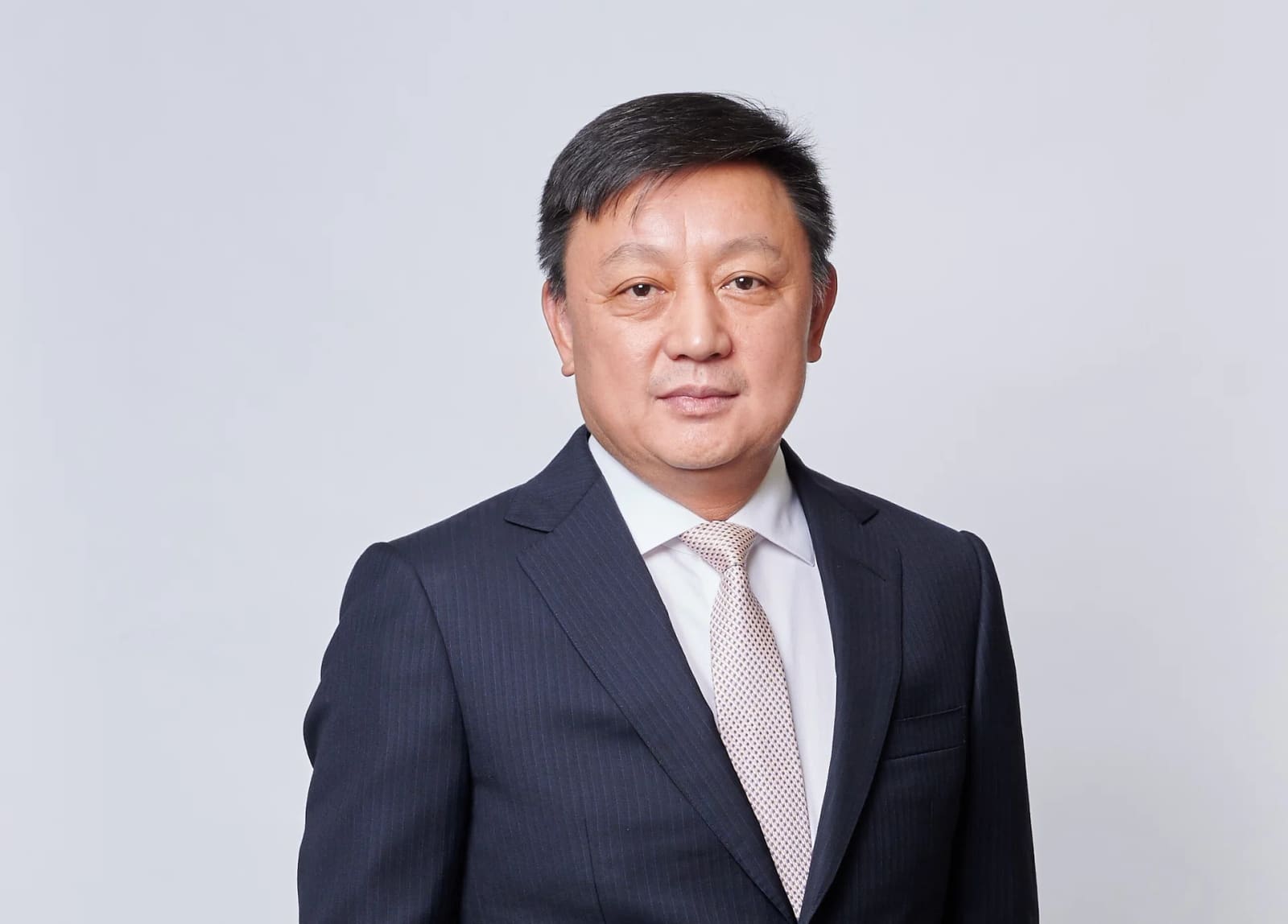
Cosco Shipping International (Singapore) has identified Malaysia, Vietnam, and Indonesia as priority investment destinations through 2031, according to president Jiang Kai. The Mainboard-listed logistics operator derives 87 percent of its consolidated revenue from Singapore operations today, with Malaysia accounting for the remainder. Associated ventures in Indonesia and Vietnam, plus a regional dry-bulk shipping stake, contributed roughly one-quarter of pre-tax profit in the first half of 2026.
The firm plans to accelerate integration of its Malaysian holdings to reach what Jiang described as appropriate business scale in that market. In Vietnam, the company is examining opportunities in inland waterway terminals. Indonesia remains under evaluation despite port congestion and policy volatility that Jiang flagged as near-term risks.
Singapore will see the completion of the Jurong Island Logistics Hub's second phase in the fourth quarter of this year. The expanded facility targets specialty chemicals and data-centre logistics, two segments where Jiang sees sustained demand.
Trade Patterns Driving Demand
Southeast Asia's role as a manufacturing hub continues to deepen. Jiang pointed to steady industrial activity across the region even as global trade absorbed shocks from US tariffs, the closure of the Strait of Hormuz, and geopolitical disruption in Ukraine and Iran. Dry-bulk shipping, which moves coal and iron ore, is recovering alongside industrial production. Demand for specialized cargo handling has climbed as machinery, automobiles, and renewable-energy equipment flow into developing economies.
China remains the region's largest trading partner. Bilateral trade exceeded USD 1 trillion in 2025, and Chinese manufacturers increasingly treat Southeast Asia as a primary offshore production base. Jiang noted that electronics, chemicals, renewable energy, automotive components, and consumer goods are sectors attracting the heaviest Chinese capital.
The "China Plus One" diversification strategy, which gained traction during the first Trump administration, has evolved into a structural feature of supply-chain planning. Subsequent trade disruptions have reinforced Southeast Asia's position in higher-value production networks.
Client Expectations Shift
Manufacturers now prioritize end-to-end logistics partners over single-service providers, Jiang explained. A company seeking warehousing in one market often expects the same vendor to manage ocean freight, customs clearance, and last-mile delivery in another. Price alone no longer drives procurement decisions; supply-chain stability and visibility carry greater weight.
Cosco Shipping International (Singapore) leverages its parent company's China network to bridge origin and destination. If a supply chain begins in mainland China, the firm can coordinate inland transport and ocean shipping through Cosco Shipping's broader infrastructure, then hand off to its own Southeast Asian operations for final-mile delivery.
Jiang emphasized that resource integration distinguishes the company in a market where multinational clients demand both regional expertise and global reach. The ability to serve traffic moving in both directions, from Southeast Asia to China and vice versa, expands addressable opportunities.
Financial Trajectory
Revenue for the six months ended June 2026 rose 6.4 percent year-on-year to SGD 96.8 million, while gross profit increased 2.8 percent to SGD 23.8 million, according to the company. Integrated logistics generated SGD 85.2 million, or 88 percent of total revenue, up 5.6 percent from the prior-year period. The segment accounted for approximately 85 percent of full-year 2025 revenue.
Cosco Shipping International (Singapore) operates as the regional arm of China Cosco Shipping, a state-owned conglomerate. Its core business runs through subsidiary Cogent Holdings, which provides warehousing, container depots, automotive logistics, and transport services in Singapore and Malaysia. Smaller interests include ship repair, marine engineering, and property management.
Jiang said the company will not pursue scale for its own sake, instead focusing on opportunities that align with its integrated network and deliver sustainable returns. He acknowledged that tariff uncertainty and infrastructure bottlenecks in certain markets could affect near-term trade volumes, but expressed confidence in the region's medium-term trajectory.
Watching the Horizon
Southeast Asia's logistics infrastructure will need to keep pace with manufacturing investment if the region is to capture a larger share of global production. Cosco's expansion plan reflects a broader industry bet that supply-chain reconfiguration will generate long-term demand for sophisticated logistics services.
The company's ability to connect Chinese production networks with Southeast Asian manufacturing bases positions it to capture traffic moving along both legs of the trade corridor. Whether that advantage translates into durable market share will depend on execution in markets where regulatory environments and infrastructure quality vary widely.
For now, Jiang's confidence rests on two pillars: rising trade volumes between China and Southeast Asia, and the growing complexity of supply chains that require integrated solutions rather than point-to-point services. Both trends appear likely to persist, even as geopolitical and tariff risks introduce short-term volatility.
RELATED STORIES
Singapore Chips and Property Markets Signal Broader Tech Supply Crunch
Lim Hui Ying · 4 min
Washington Names Singapore in Tariff Circumvention Probe
Priyanka V. Rao · 3 min
Singapore Tightens Transshipment Rules Amid US Tariff Scrutiny
Lim Hui Ying · 4 min
Hainan's Free Trade Port Strategy Targets Deeper ASEAN Supply Chain Integration
Cheng Wei-Lun · 2 min
Spot something wrong? Email editor@briefasia.com. We log every correction publicly.