Asia · Trade
Hainan's Free Trade Port Strategy Targets Deeper ASEAN Supply Chain Integration
China's southern island province is expanding port infrastructure and tax incentives to position itself as a regional trade gateway, with Malaysia among the first partners.
KEY TAKEAWAYS
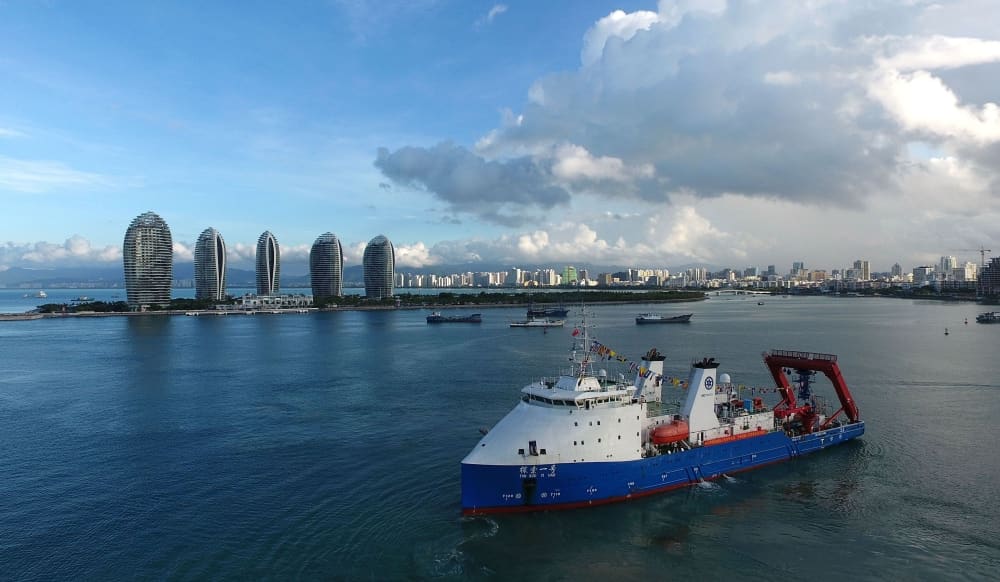
- ·Hainan's Yangpu Port operates three shipping routes to Malaysia, calling at Port Klang and Pasir Gudang, with plans to increase frequency and expand ASEAN connectivity.
- ·The Free Trade Port offers a 15 percent corporate and personal income tax rate for eligible businesses, targeting digital enterprises and regional headquarters.
- ·Success depends on infrastructure execution and competitive positioning against Singapore, Hong Kong, and emerging hubs in Vietnam and Thailand.
A Southern Gateway Takes Shape
China's Hainan province is positioning itself as a critical node linking mainland China to Southeast Asian markets, leveraging its Free Trade Port designation to attract investment and reconfigure regional supply chains. The island's transformation centers on infrastructure expansion, tax incentives, and deepening maritime connectivity with ASEAN economies.
Yangpu Port, one of three major international gateways on the 35,000-square-kilometer island, currently operates three shipping routes connected to Malaysia, with vessels calling directly at Port Klang and Pasir Gudang. Hainan Harbor and Shipping Holding Co Ltd announced plans to increase sailing frequency and optimize transshipment operations across Southeast Asian ports.
"We aim to help build a tighter China-ASEAN supply chain ecosystem," said Du Chengcai, deputy general manager of the company's production operation centre. The port operator is focusing on service standards and route network expansion to support the broader Free Trade Port strategy.
Tax Policy as Industrial Magnet
Hainan's Free Trade Port framework includes a 15 percent corporate and personal income tax rate for qualifying businesses and individuals, a significant discount compared to standard mainland China rates. The policy is designed to attract digital enterprises, technology firms, and service providers looking to establish regional operations.
The tax structure applies to entities and individuals meeting specific criteria tied to the province's development priorities, which include digital trade, advanced manufacturing, and high-value services. Hainan authorities have framed the incentives as part of a longer-term effort to diversify the island's economy beyond tourism and agriculture.
Beyond Containers
While port expansion and tax breaks form the core of Hainan's pitch, the province is also targeting niche sectors with growth potential. Medical tourism is emerging as a priority, with the island leveraging its status as a pilot zone for imported pharmaceuticals and medical devices not yet approved on the mainland.
Marine tourism is another focus area, with investments in yacht marinas, diving infrastructure, and coastal resorts aimed at both domestic and international visitors. International education is also on the agenda, with Hainan seeking to attract foreign universities to establish branch campuses and joint programs.
Cultural ties between Hainan and Southeast Asia, particularly Malaysia, run deep. Significant diaspora communities trace their ancestry to the island, and these historical links are being leveraged to facilitate business networks and investment flows.
Regional Implications
Hainan's push comes as ASEAN economies weigh the benefits and risks of deeper integration with Chinese supply chains. For Malaysia, the expanded shipping routes offer potential cost savings and faster transit times for goods moving between the two markets. Port Klang and Pasir Gudang stand to benefit from increased throughput if transshipment volumes rise.
However, the success of Hainan's Free Trade Port will depend on execution. Infrastructure projects must deliver on promised efficiency gains, and tax incentives need to attract genuine operational headquarters rather than shell companies. The province is also competing with established regional hubs including Singapore, Hong Kong, and increasingly, cities in Vietnam and Thailand.
For now, Hainan's strategy is clear: use policy flexibility, geographic proximity, and infrastructure investment to carve out a distinct role in regional trade architecture. Whether that translates into sustained supply chain realignment remains an open question, one that ASEAN businesses and policymakers will be watching closely.
RELATED STORIES

Cosco Shipping Targets Three Southeast Asian Markets in Regional Push
Cheng Wei-Lun · 3 min
China Opens Weekly Arctic Shipping Service to Europe, Halving Transit Times
Cheng Wei-Lun · 3 min
China Routed Solar Exports Through 32,000 Kilometers to Dodge US Tariffs
Cheng Wei-Lun · 4 min
Opel's China Partnership and Job Cuts Expose Europe's Auto Decline
Cheng Wei-Lun · 3 min
Spot something wrong? Email editor@briefasia.com. We log every correction publicly.