Asia · Trade
Malaysia Shields Proton Despite Geely's Stake in Automaker
The question of whether protecting a national champion still counts as protectionism when foreign investors hold major stakes is playing out in Malaysia's automotive sector.
KEY TAKEAWAYS
- ·Malaysia maintains protective policies for Proton despite Geely holding a 49.9 percent stake acquired in 2017, keeping majority control with Malaysian entities.
- ·The arrangement tests whether partial foreign ownership changes the nature of protectionism as Chinese technology and expertise flow into a protected national champion.
- ·Southeast Asian countries are watching the Proton case as they balance domestic industrial goals against deepening ASEAN integration and pressure to open markets.
A National Symbol With Foreign Partners
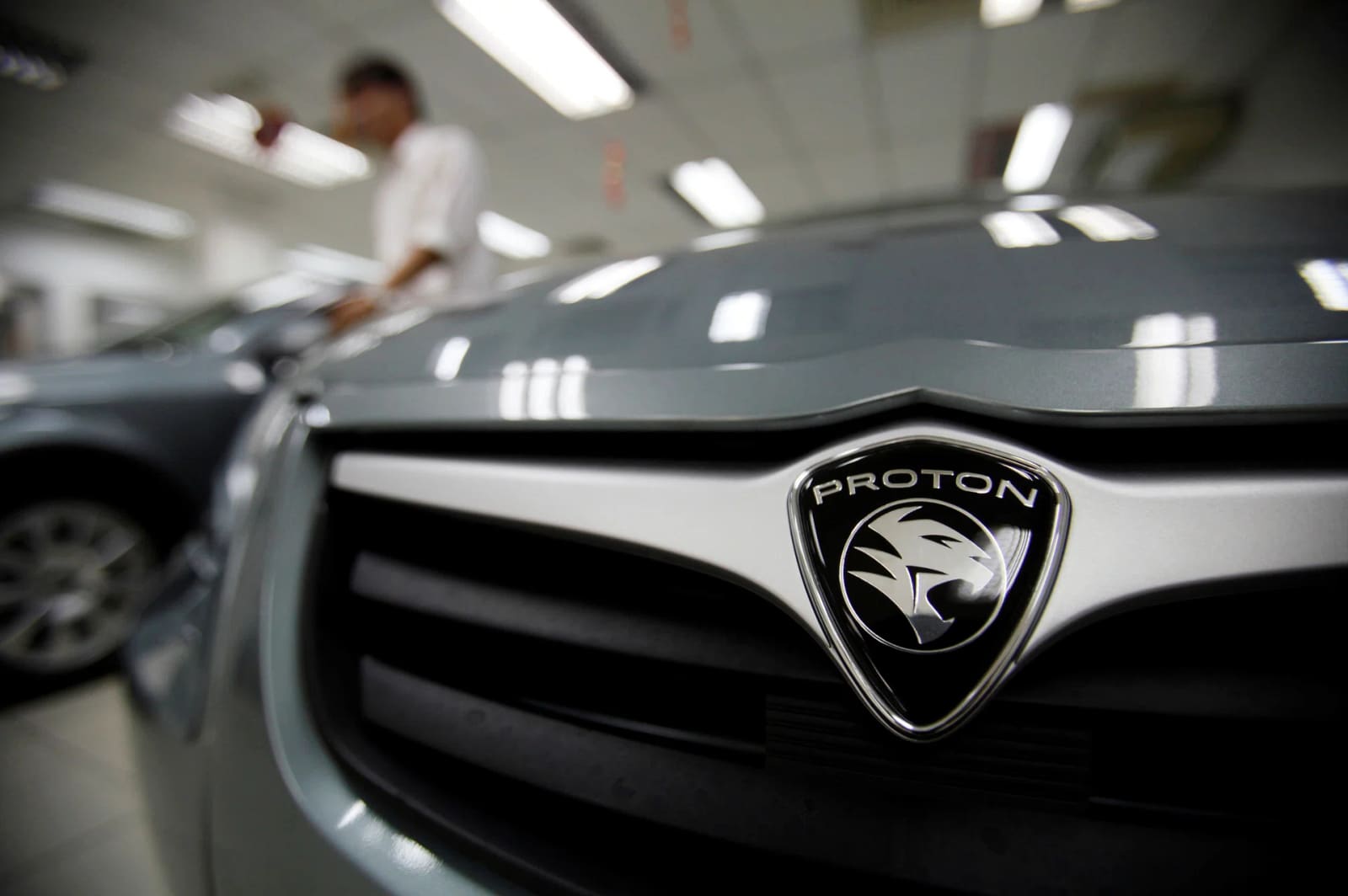
Malaysia's Proton remains a protected fixture in the country's automotive landscape, shielded from full foreign competition despite China's Geely owning a substantial stake in the carmaker. The arrangement illustrates a tension at the heart of Southeast Asian industrial policy: how governments reconcile nationalist economic goals with the capital and expertise that foreign partners bring.
Proton was launched in the 1980s as the centerpiece of Malaysia's industrial ambitions. The Saga, its first model based on the Mitsubishi Lancer Fiore, became the vehicle in which a generation of Malaysians learned to drive. By 2000, Proton had advanced to producing the Waja, the first Malaysian car fully designed and developed domestically.
The Double Edge of State Protection
State protection drove Proton's trajectory through Malaysia's automotive sector, but the success carried complications. While the company achieved scale and built domestic manufacturing capability, decades of shelter from competition also created inefficiencies that would later require restructuring.
Geely acquired a 49.9 percent stake in Proton in 2017, bringing Chinese automotive technology and supply chain access to the Malaysian brand. The partnership was structured to keep majority control with Malaysian entities, preserving Proton's status as a national champion while opening the door to foreign expertise.
Policy Questions in the Region
The Proton case reflects broader dynamics across Southeast Asia, where governments balance industrial development goals against the realities of global supply chains. Indonesia offers tax incentives to electric vehicle manufacturers willing to build local battery plants. Thailand has positioned itself as a regional production hub through targeted automotive policies. Vietnam is negotiating similar arrangements as it seeks to move up the manufacturing value chain.
Malaysia's approach with Proton tests whether partial foreign ownership changes the calculus of protectionism. Geely's stake gives it influence over product development and manufacturing processes, yet the Malaysian government continues to use tariffs and local content requirements that favor Proton over fully foreign brands.
Market Realities
The automotive sector in Asia is undergoing rapid transformation as Chinese manufacturers expand beyond their home market and electric vehicle adoption accelerates. BYD and other Chinese brands are entering Southeast Asian markets with competitive pricing and newer technology platforms, creating pressure on established players including Proton.
For Proton, the partnership with Geely provides access to hybrid and electric powertrains that the company would struggle to develop independently. Yet the arrangement also means that technology transfer flows primarily in one direction, and that Proton's product roadmap is increasingly influenced by decisions made in Hangzhou.
Malaysia's automotive policy now navigates a landscape where the national champion is simultaneously a recipient of state protection and a vehicle for Chinese industrial expansion into Southeast Asia. The model raises questions about what sovereignty means in an industry defined by cross-border supply chains and technology licensing agreements.
What Comes Next
As ASEAN economic integration deepens and the region negotiates trade agreements with major economies, the space for industrial protection is narrowing. Malaysia will face pressure to reduce tariffs and open its automotive market more fully, even as domestic political considerations favor continued support for Proton.
The outcome will matter beyond Malaysia. Other Southeast Asian countries watching the Proton experiment are weighing similar questions about how to build domestic industrial capacity while remaining open to foreign investment and competition. The answers will shape the region's automotive sector and its broader approach to industrial policy in the decades ahead.
RELATED STORIES
Malaysia Faces Compliance Squeeze After US Flags Transshipment Risk
Priyanka V. Rao · 3 min
WeRide Eyes Regional Push Across Australia and Asia-Pacific Markets
Cheng Wei-Lun · 2 min

Malaysia's Political Flux Tests Investor Appetite Amid Foreign Outflows
Priyanka V. Rao · 2 min
Energy Infrastructure Deals Climb in Southeast Asia Amid AI Demand and Security Concerns
Cheng Wei-Lun · 4 min
Spot something wrong? Email editor@briefasia.com. We log every correction publicly.