Asia · Trade
South Korea's August Exports Jump on Record Chip Sales
Outbound shipments climbed 56% in the first three weeks of the month, driven by semiconductor demand and marking the strongest start to August on record.
KEY TAKEAWAYS
- ·South Korea's exports rose 56 percent year-on-year to $55.2 billion in the first 20 days of August, the highest on record for the period.
- ·Semiconductor shipments reached an all-time high for the timeframe, driven by memory chip demand and AI infrastructure investments.
- ·The trade surplus widened to $14 billion as export growth outpaced a 19 percent rise in imports to $41.2 billion.
Shipment Surge Signals Momentum
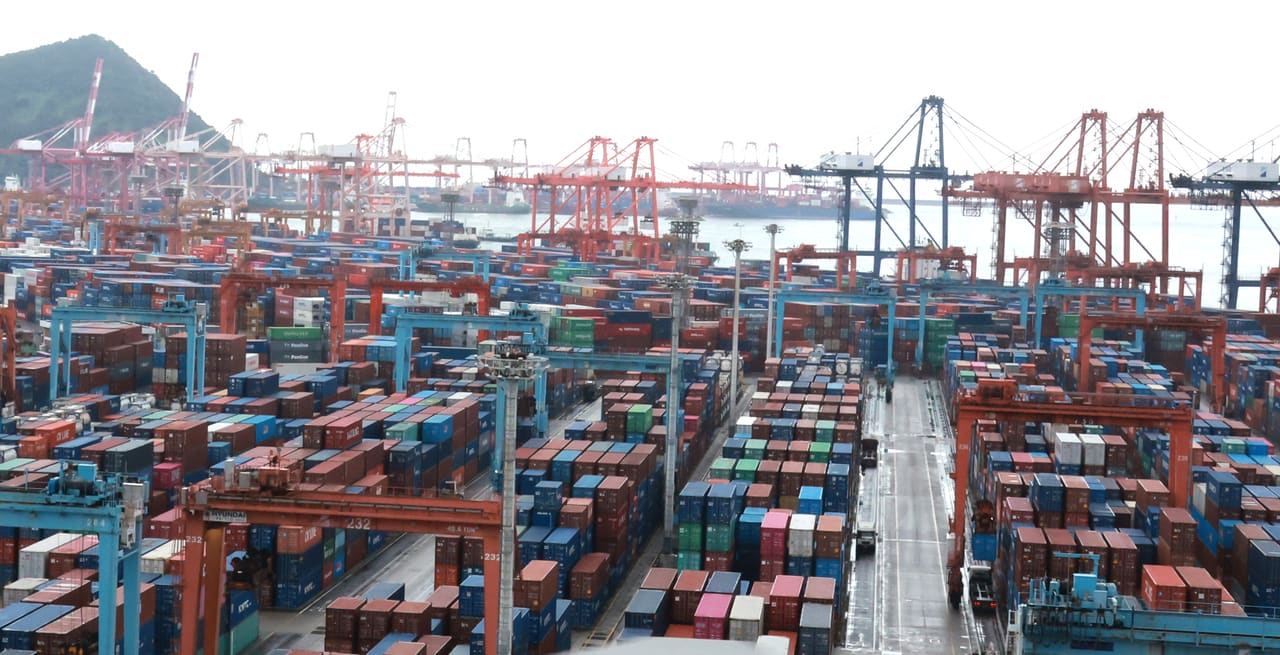
South Korea's outbound trade accelerated sharply in the opening weeks of August, with exports climbing 56 percent year-on-year to $55.2 billion over the first 20 days of the month, according to the Korea Customs Service. The figure represents the highest level recorded for any comparable August period, underscoring renewed momentum in Asia's fourth-largest economy.
Semiconductor shipments drove much of the gain, reaching an unprecedented high for the timeframe. The surge reflects persistent global appetite for memory chips and advanced logic components, categories in which South Korean manufacturers hold dominant market positions. The customs agency's data shows that chip exports alone accounted for a substantial portion of the overall increase, as inventory restocking and AI infrastructure build-outs continue across major markets.
Trade Balance Widens
Imports rose 19 percent on-year to $41.2 billion during the same period, resulting in a trade surplus of $14 billion. The gap between exports and imports has widened compared to the previous year, when supply-chain bottlenecks and elevated energy costs weighed on net trade figures. Lower commodity prices and stabilized logistics networks have helped contain import growth relative to the pace of outbound shipments.
The trade surplus marks a notable shift from the deficit periods South Korea experienced intermittently over the past two years, when energy import bills spiked amid geopolitical volatility. With export earnings now outpacing import costs by a wider margin, the current-account outlook for the third quarter appears increasingly favorable.
Semiconductor Cycle Turns
The record chip exports align with a broader recovery in the global semiconductor cycle. After enduring a prolonged downturn marked by inventory corrections and softening demand, the industry has entered a new upcycle driven by data-center expansion, generative AI workloads, and smartphone replacement cycles. South Korean producers, including the world's leading memory manufacturers, have benefited from tighter supply discipline and improved pricing power.
Average selling prices for DRAM and NAND flash have climbed steadily since the second quarter, reversing more than a year of declines. Production cuts implemented in late 2025 helped rebalance inventories, setting the stage for the current rebound. Analysts expect the momentum to persist through year-end, supported by capital expenditure from hyperscale cloud providers and enterprise customers upgrading legacy infrastructure.
Regional Export Dynamics
South Korea's trade performance reflects broader trends across East Asia, where export-oriented economies have posted sequential improvements in recent months. Taiwan, Japan, and Vietnam have similarly reported stronger shipment figures, driven by electronics, machinery, and intermediate goods. The region's manufacturing hubs are capturing demand from both developed markets and intra-Asian trade, as supply chains continue to diversify and regionalize.
The August data suggests that South Korea is maintaining its competitiveness in high-value segments, even as competition intensifies from regional peers. The country's ability to scale production quickly and meet specifications for cutting-edge applications remains a strategic advantage, particularly in memory and display technologies.
Outlook and Risks
The strong start to August raises expectations for full-month export figures, which will be released in early September. If the trend holds, South Korea could post its highest August export total in history, surpassing previous records set before the pandemic. However, uncertainties remain, including potential shifts in global monetary policy, geopolitical friction, and the pace of technological adoption in key end markets.
Trade officials will watch closely for signs of demand sustainability, especially in semiconductors, where order visibility can shift rapidly. The customs data provides an early signal of resilience, but the trajectory for the remainder of 2026 will depend on macroeconomic conditions in the United States, Europe, and China - South Korea's three largest export destinations.
RELATED STORIES

South Korea Channels AI Tax Windfall Into New Growth Fund
Cheng Wei-Lun · 3 min
Seoul's New President Opens Business Talks with SK Chairman Amid Chip Investment Debate
Cheng Wei-Lun · 3 min

South Korea Tests Low-Cost Attack Drones as North Expands Fleet
Jun-ho Seo · 3 min

Hyundai Workers Launch First Full-Day Strike in a Decade
Jun-ho Seo · 2 min
Spot something wrong? Email editor@briefasia.com. We log every correction publicly.