Asia · Trending
Nearly 10 Million Young Indonesians Are Neither Working Nor Studying
At 20.3 percent, Indonesia's youth disengagement rate exceeds the ASEAN average and reveals a demographic dividend at risk
KEY TAKEAWAYS
- ·Indonesia's NEET rate stands at 20.31 percent, affecting 9.9 million youth aged 15 to 24 and exceeding the ASEAN average of roughly 16 percent.
- ·Young women face a NEET rate of 26.3 percent compared with 16.7 percent for young men, revealing a nearly 10 percentage point gender participation gap.
- ·President Prabowo's village-first economic agenda aims to transform rural areas into value creation engines, but requires converting internet access into training, capital, and market linkages.
The Scale of Youth Disengagement
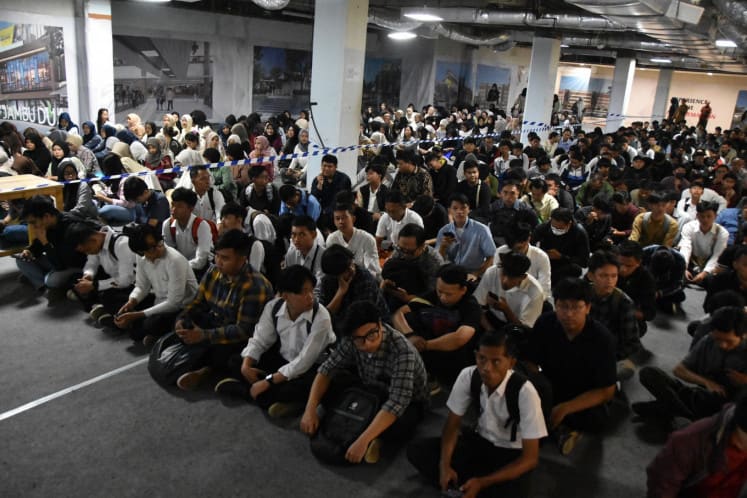
Indonesia is confronting a significant youth development challenge that threatens to undermine its demographic advantage. According to 2024 National Economic Survey data, approximately 9.9 million young Indonesians between ages 15 and 24 are classified as NEET, meaning they are neither employed, enrolled in education, nor participating in training programs. This represents 20.31 percent of the country's 44 million-strong youth cohort.
The NEET metric captures a broader spectrum of vulnerability than conventional unemployment statistics. While unemployment figures count only those actively seeking work, the NEET rate includes discouraged workers who have stopped looking, early school leavers, and individuals tied to unpaid domestic responsibilities. It reveals patterns of disengagement and stranded human capital that standard labor metrics miss entirely.
Indonesia's 20.3 percent rate sits above the estimated ASEAN average of roughly 16 percent, positioning the archipelago nation behind several regional peers in youth economic participation. The gap suggests systemic barriers in connecting young people to productive opportunities across the country's sprawling geography.
A Pronounced Gender Divide
The data reveals a sharp gender disparity in youth disengagement. Young women face a NEET rate of approximately 26.3 percent, nearly 10 percentage points higher than the 16.7 percent rate among young men. This gap points to structural constraints that disproportionately affect female participation in formal education, training pathways, and labor markets.
Cultural expectations around domestic work, limited access to safe transportation in rural areas, and early marriage patterns contribute to the differential rates. The gender divide represents not just an equity issue but a significant loss of economic potential, as roughly half the youth demographic remains underutilized.
The Village-First Economic Vision
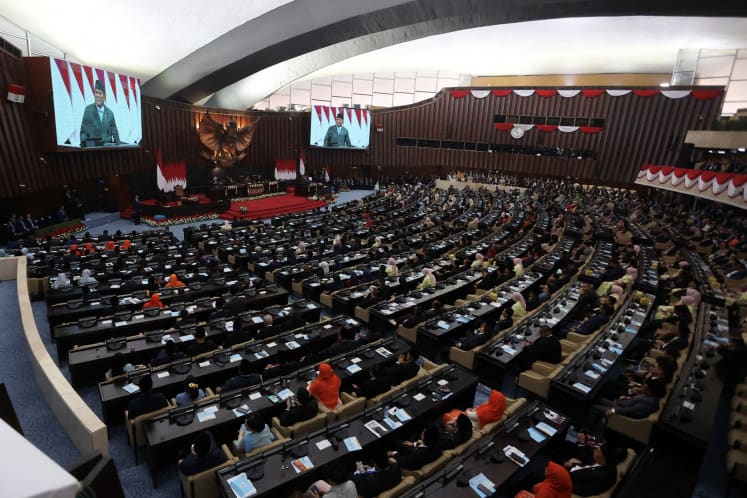
President Prabowo Subianto's August 16 state address positioned young Indonesians as potential entrepreneurs who could build businesses within their home communities rather than migrating to urban centers for employment. The vision frames villages as engines of value creation when supported by adequate infrastructure and local institutions.
This approach draws on lessons from the 1998 Asian financial crisis, when grassroots enterprises sustained economic activity while large corporations struggled. The administration's emphasis suggests a policy direction focused on decentralized economic development and rural opportunity creation as alternatives to continued urban concentration.
Transforming that vision into measurable outcomes requires converting basic connectivity into genuine economic opportunity. Many rural areas now have internet access, but the infrastructure alone has not translated into sustained job creation or entrepreneurship at scale. The challenge lies in building complementary systems, including training programs, access to capital, and market linkages that enable rural youth to participate in value chains.
What the Numbers Mean for Policy
With over 44 million people in the 15-24 age bracket, an elevated NEET rate carries significant economic consequences. A generation disengaged from formal learning and work represents forgone productivity, reduced tax revenue, and increased social support costs over time. The demographic dividend that Indonesia has long anticipated depends on successfully integrating this cohort into economic activity.
The gender gap in particular demands targeted interventions. Policies that address mobility constraints, provide flexible training schedules, and expand childcare options could help close the participation divide. Similarly, efforts to create local employment opportunities need to account for the specific barriers young women face in accessing those opportunities.
Regional disparities also matter. The NEET rate is not distributed evenly across Indonesia's provinces and districts. Areas with weaker educational infrastructure, limited formal sector employment, and less developed digital connectivity tend to show higher disengagement rates. Any effective strategy will need to account for these geographic variations rather than applying uniform solutions.
The Infrastructure-Opportunity Gap
Indonesia has made substantial progress in rolling out physical and digital infrastructure to rural areas over the past decade. Roads, electricity grids, and mobile internet coverage have expanded significantly. Yet infrastructure alone does not create jobs or entrepreneurial ecosystems.
The gap between access and opportunity is where many young Indonesians currently find themselves. They may have smartphones and internet connections but lack the skills, capital, networks, or market access to convert that connectivity into income. Bridging this gap requires investments in human capital development, financial inclusion, and institutions that can support small-scale enterprise.
Training programs need to align with actual market demand rather than offering generic skill sets with limited applicability. Access to microfinance and startup capital remains constrained in many rural areas, limiting the ability of aspiring entrepreneurs to launch or scale ventures. Market linkages that connect rural producers to urban consumers or export channels are often underdeveloped or captured by intermediaries who extract most of the value.
Next Steps for Reducing Disengagement
Addressing a 20 percent NEET rate requires coordinated action across education, labor market policy, and regional development. Expanding vocational training options that lead to recognized credentials can provide pathways for youth who have left formal schooling. Apprenticeship programs that connect young people with existing businesses offer another avenue for skill acquisition and employment.
Labor market reforms that reduce barriers to formal sector entry, particularly for small and medium enterprises, can expand job creation. Regulatory simplification, lower compliance costs, and improved access to business registration can enable more rural enterprises to formalize and hire.
Gender-specific interventions will be essential to closing the participation gap. This includes addressing safety concerns in public transportation, expanding access to affordable childcare, and challenging norms that limit women's economic participation. Programs that provide flexible, remote training and work options can help young women balance economic activity with other responsibilities.
The stakes are clear: Indonesia's economic trajectory over the next decade will be shaped significantly by whether it can convert 9.9 million disengaged young people into productive participants. The infrastructure is increasingly in place. The policy challenge now is ensuring that connectivity translates into genuine opportunity before a generation is left behind.
RELATED STORIES

Indonesia's Economy Grows 5.29 Percent as Fiscal Spending Fuels Expansion
Siti Nuraini · 2 min

Nusantara Budget Cuts Signal Shifting Priorities Under Prabowo
Siti Nuraini · 3 min

Indonesia's Rice Prices Climb Despite Self-Sufficiency Claims and High Government Stocks
Siti Nuraini · 3 min
Indonesia's Mineral Exchange Launch Faces Liquidity and Governance Hurdles
Siti Nuraini · 4 min
Spot something wrong? Email editor@briefasia.com. We log every correction publicly.