Asia · Trending
Indonesia's Rice Prices Climb Despite Self-Sufficiency Claims and High Government Stocks
Seven months of price increases and looming drought conditions reveal fragility in the archipelago's staple food supply chain
KEY TAKEAWAYS
- ·Rice prices in Indonesia have increased for seven consecutive months despite government claims of self-sufficiency and substantial Bulog stockpiles.
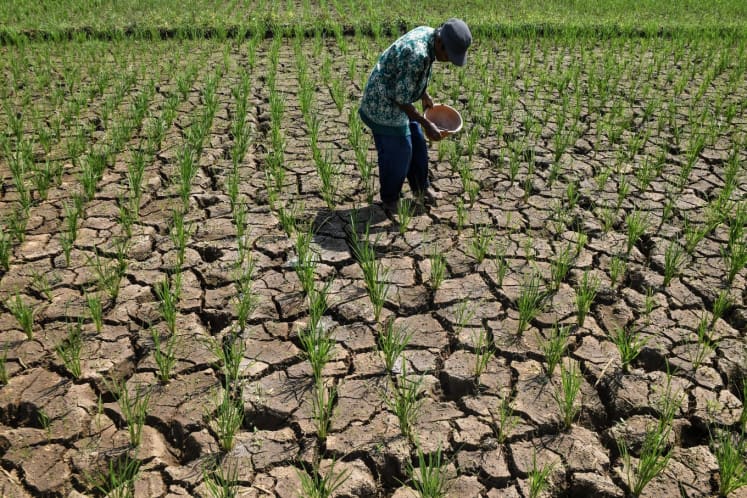
- ·El Niño-driven drought conditions threaten upcoming harvests in key growing regions, particularly Java which produces half the country's rice.
- ·The price trend reveals structural vulnerabilities in distribution networks and the gap between production volumes and effective market stabilization.
Price Pressure Mounts Across the Archipelago
Rice prices across Indonesia have climbed steadily over the past seven months, creating a disconnect between market realities and the Prabowo Subianto administration's declarations of self-sufficiency in the staple grain. The upward trend persists despite substantial rice reserves maintained by Bulog, the state logistics agency tasked with stabilizing domestic food supplies.
The price trajectory raises questions about the effectiveness of buffer stock policies and the government's capacity to insulate consumers from supply shocks. For a nation where rice accounts for more than half of daily caloric intake for most households, sustained price increases carry immediate implications for household budgets and food security across income levels.
Drought Conditions Add New Layer of Risk
El Niño weather patterns have intensified dry season conditions across Indonesia's key rice-growing regions, threatening to disrupt upcoming harvests. Agricultural areas in Java, which produces roughly half of the country's rice, face reduced rainfall at critical growing stages. Water scarcity in irrigation systems has already forced some farmers to delay planting or reduce cultivated area.
The climate-driven disruption arrives at a particularly challenging moment. With prices already elevated, any harvest shortfalls could accelerate the upward price momentum and test the government's ability to deploy its stockpiles effectively. Bulog's reserves, while substantial on paper, must be distributed across an archipelago spanning thousands of islands with varying infrastructure quality.
The Self-Sufficiency Paradox
Indonesia's government has promoted rice self-sufficiency as a policy achievement, framing it as evidence of agricultural resilience and food sovereignty. Yet the persistent price increases suggest a more complex picture. Production volumes alone do not guarantee price stability when distribution networks face bottlenecks, regional harvests vary, or farmer incentives misalign with consumption patterns.
The gap between official sufficiency metrics and market prices also reflects timing mismatches. Rice production is seasonal, while consumption remains constant year-round. Even with adequate annual production, price volatility can emerge during lean months between harvests, particularly when weather disrupts planting schedules or reduces yields.
Market Dynamics Beyond Production
Several factors beyond raw production volumes influence rice prices in Indonesia. Import policies, fertilizer costs, labor availability, and milling capacity all shape the final price consumers pay. Transportation expenses across the archipelago add further complexity, with remote regions often experiencing higher prices regardless of national stock levels.
Bulog's stockpile strategy aims to smooth these variations, releasing rice into markets when prices spike and purchasing from farmers when prices fall too low. However, the agency's interventions depend on accurate demand forecasting, efficient logistics, and timely decision-making. When any of these elements falter, buffer stocks become less effective at stabilizing prices.
Regional Supply Chain Vulnerabilities
The current situation exposes structural vulnerabilities in Indonesia's rice supply chain. Reliance on specific growing regions creates concentration risk, while limited storage infrastructure outside major hubs constrains distribution flexibility. Smallholder farmers, who produce the majority of Indonesia's rice, often lack access to modern irrigation systems that could mitigate drought impacts.
These structural factors mean that even substantial government reserves cannot immediately resolve price pressures if logistics networks struggle to move rice from warehouses to retail markets efficiently. The challenge intensifies in eastern provinces, where infrastructure gaps and higher transportation costs create persistent price premiums over Java-based markets.
What Lies Ahead
As the dry season progresses, agricultural officials will monitor planting progress and soil moisture levels closely. Any significant harvest disruptions in major producing provinces could force the government to reconsider its import stance, despite the political sensitivity of rice imports in a country that has prioritized self-sufficiency.
For now, households across Indonesia continue adjusting to higher rice costs, shifting consumption patterns or allocating larger portions of their budgets to the staple grain. The coming months will test whether Bulog's stockpiles and distribution systems can prevent further price escalation, particularly if El Niño conditions persist longer than currently forecast.
The unfolding situation serves as a reminder that food security depends not only on production capacity but also on resilient supply chains, effective policy coordination, and the ability to respond swiftly to climate-driven shocks. Indonesia's rice price trajectory will offer insights into how emerging Asian economies navigate the intersection of agricultural policy, climate variability, and food affordability.
RELATED STORIES
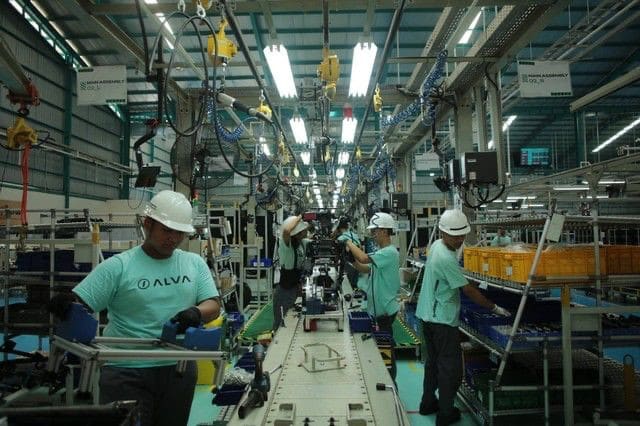
Indonesia Launches Domestic Electric Motorcycle Push to Absorb Nickel Surplus
Siti Nuraini · 4 min
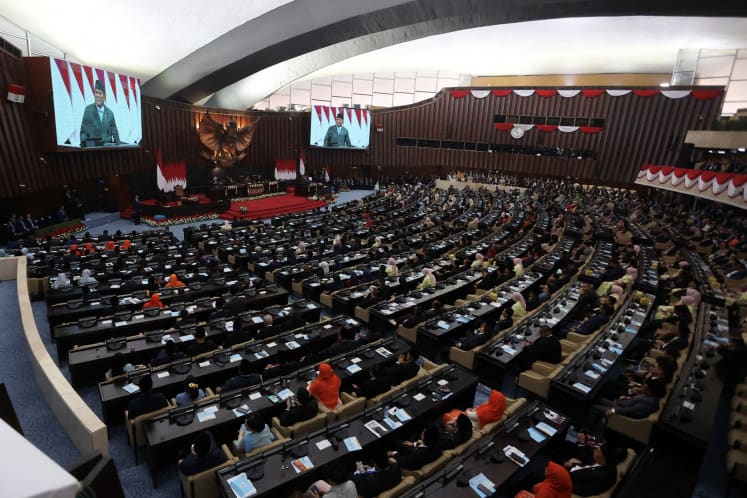
Indonesia's Mineral Exchange Launch Faces Liquidity and Governance Hurdles
Siti Nuraini · 4 min
Indonesia's 6% Growth Target Raises Questions Over 2027 Budget Credibility
Priyanka V. Rao · 3 min
Indonesia's Economy Grows 5.29 Percent as Fiscal Spending Fuels Expansion
Siti Nuraini · 2 min
Spot something wrong? Email editor@briefasia.com. We log every correction publicly.