Asia · Business
Indonesia's Mineral Exchange Launch Faces Liquidity and Governance Hurdles
Jakarta plans a January 2027 start for a Strategic Minerals and Commodities Exchange, but questions remain over product standards, market depth and regulatory framework.
KEY TAKEAWAYS
- ·Indonesia will launch a Strategic Minerals and Commodities Exchange on Jan. 1, 2027, under Financial Services Authority oversight, targeting palm oil, nickel, tin, coal and gold.
- ·President Prabowo Subianto told parliament the aim is to establish an Indonesia Reference Price and reduce reliance on overseas benchmarks, though enabling legislation and product scope remain undefined.
- ·Success hinges on liquidity, standardized contracts, transparent governance and whether international traders choose Jakarta over established venues in London, Singapore and Shanghai.
A Bid for Pricing Power
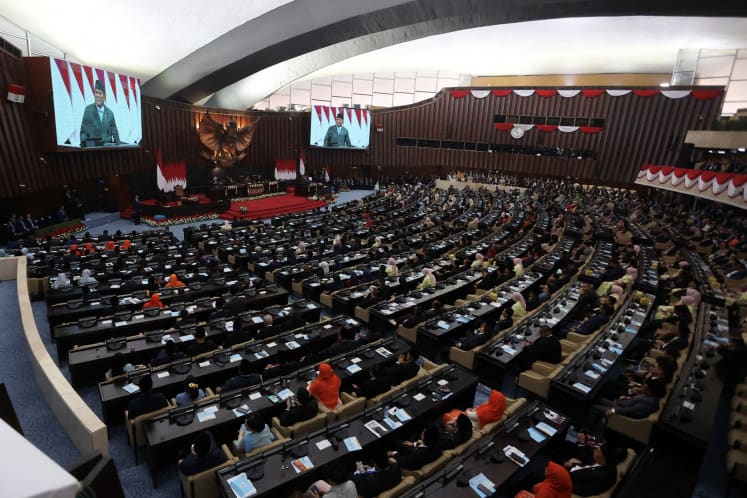
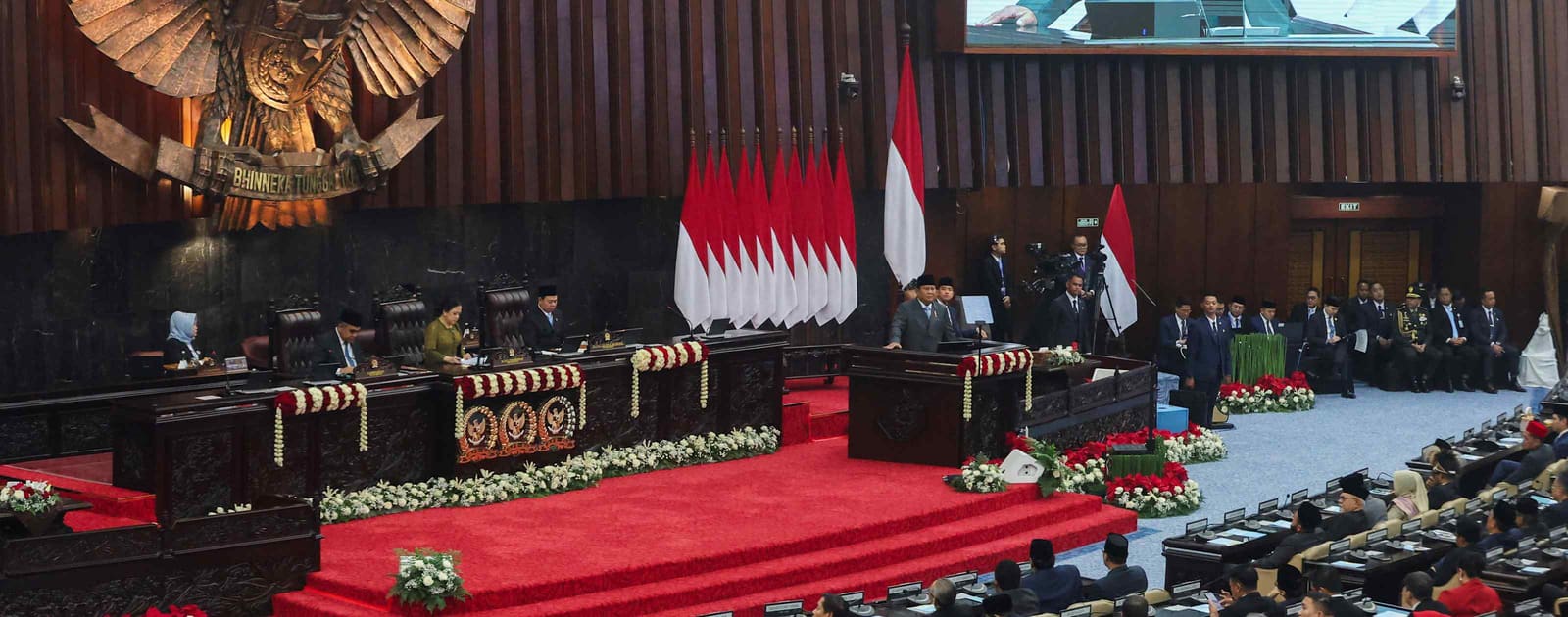
Indonesia intends to open a Strategic Minerals and Commodities Exchange on Jan. 1, 2027, under Financial Services Authority supervision. President Prabowo Subianto unveiled the timeline during his budget address to parliament on Aug. 14, arguing that decades of Indonesian export pricing has been dictated by overseas bourses using benchmarks Jakarta did not create. The stated goal is an Indonesia Reference Price for palm oil, nickel, tin, coal and gold, commodities for which Indonesia ranks among the world's largest producers.
Prabowo told legislators the new exchange should deliver a deeper, more transparent market with less room for manipulation. He called for swift passage of enabling legislation, signaling that implementing rules and product scope remain under negotiation. The Financial Services Authority will oversee the bourse, though details on clearing, settlement and membership criteria have not been published.
The Liquidity Question
Launching a commodity exchange is straightforward. Making it liquid enough to matter is not. For an Indonesian reference price to carry weight, buyers and sellers must choose Jakarta over London, Singapore or Chicago. That requires standardized contracts, reliable warehousing, transparent grading and enough participants to ensure two-way flow. Palm oil and coal trade heavily in spot and derivative markets centered in Singapore and Europe; displacing those incumbents demands both regulatory coordination and incentives for international traders to post margin and hold inventory on Indonesian rails.
Nickel presents a separate challenge. Indonesia has banned nickel ore exports since 2020, forcing downstream processing onshore. That policy has built smelting capacity but has not yet translated into pricing influence. The London Metal Exchange and Shanghai Futures Exchange remain the benchmarks for refined nickel. A Jakarta contract would need to define product specifications, delivery points and quality standards that align with, or credibly compete against, those established venues.
Tin and gold face similar tests. Indonesia Commodity and Derivatives Exchange already lists a few agricultural and metals contracts, but volumes are thin. Merging existing infrastructure with the new Strategic Minerals and Commodities Exchange, or running parallel platforms, will require clarity on jurisdiction, membership overlap and cross-margining arrangements.
Governance and Transparency
Commodity exchanges live or die on trust. International participants demand independent oversight, published rulebooks, transparent dispute resolution and ring-fenced client funds. The Financial Services Authority has regulated equity and bond markets for years, but commodity derivatives bring physical delivery, warehouse receipts and force majeure clauses into the mix. How Jakarta structures warehouse licensing, quality inspection and default procedures will determine whether multinational trading houses commit capital.
Export levies and quotas add another layer. Indonesia has used export taxes and licensing to steer palm oil and coal flows during domestic price shocks. If government intervention can disrupt contract delivery or alter effective pricing mid-term, hedgers will discount the reference price or avoid the exchange altogether. Clear rules that separate commercial risk from policy risk are essential.
President Prabowo framed the exchange as the next stage of export policy, implying that trade measures and market infrastructure will work in tandem. That raises the question of whether the bourse is designed primarily to discover price or to implement policy. Exchanges that serve both purposes often struggle with credibility.
Regional Context
Indonesia is not the first Southeast Asian nation to pursue a commodity pricing hub. Malaysia has run a palm oil futures market for decades, with moderate success. Singapore dominates regional oil and iron ore derivatives through tight integration with global banks and shipping networks. Dubai and Abu Dhabi have built energy benchmarks by offering tax incentives, legal certainty and time-zone advantages. Jakarta's pitch will need to address why traders should split liquidity rather than deepen existing venues.
The geopolitical backdrop matters. As supply chains diversify away from China and Western governments tighten critical mineral sourcing, resource-rich nations see an opening to claim more value. Indonesia has leveraged nickel processing mandates to attract battery investment. A successful exchange could extend that model, turning export control into market-making leverage. But the same export restrictions that build domestic capacity can also fragment global markets, reducing the very liquidity an exchange needs.
What Comes Next
Parliament will debate the draft law in coming months. Key details to watch include contract specifications, membership criteria, warehouse and grading standards, and the degree of integration with Indonesia Commodity and Derivatives Exchange. The Financial Services Authority will need to publish rulebooks, appoint clearing members and coordinate with customs, mining and plantation ministries on physical delivery logistics.
International commodity traders, Asian banks and mining companies will assess whether the regulatory environment supports hedging at scale. If Jakarta can deliver standardized contracts, transparent governance and sufficient liquidity, the exchange may capture a share of regional flows. If it cannot, the bourse risks becoming another domestic venue that struggles to pull volume from established global benchmarks.
Indonesia's resource endowment is undisputed. Whether that translates into pricing power depends on execution, not ambition.
RELATED STORIES
Indonesia Launches Domestic Electric Motorcycle Push to Absorb Nickel Surplus
Siti Nuraini · 4 min
Indonesia's 6% Growth Target Raises Questions Over 2027 Budget Credibility
Priyanka V. Rao · 3 min
Indonesia's Economy Grows 5.29 Percent as Fiscal Spending Fuels Expansion
Siti Nuraini · 2 min
Indonesia Sets 6% Growth Target as Prabowo Unveils 2027 Fiscal Blueprint
Priyanka V. Rao · 3 min
Spot something wrong? Email editor@briefasia.com. We log every correction publicly.